Top 10 Benefits of Using Hdpe Sheet for Your Projects?
In the realm of construction and manufacturing, the benefits of using HDPE sheets are numerous and profound. Renowned industry expert Dr. Emily Harper states, “HDPE sheets offer durability and versatility that are unmatched in today’s market.” This insight sheds light on why many professionals are turning to HDPE sheets for their projects.
HDPE sheets, made from high-density polyethylene, are known for their resilience. They resist impacts, chemicals, and UV radiation, making them ideal for various applications. Many industries, from agriculture to construction, utilize these sheets to improve efficiency and safety in their operations. Imagine a factory floor equipped with HDPE sheets, ensuring both longevity and easy maintenance.
However, using HDPE sheets isn't without its considerations. For instance, while they are extremely durable, the initial investment might seem high for some projects. Not all stakeholders understand their full potential. As more experts like Dr. Harper advocate for this material, it becomes imperative to weigh both the benefits and potential barriers to adoption.
Understanding HDPE Sheets: What They Are and Their Composition
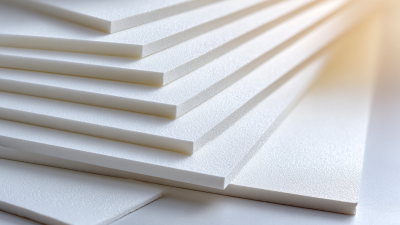
HDPE sheets, or high-density polyethylene sheets, are versatile materials widely used in various industries. These sheets are composed of polymer chains, making them strong and pliable. With a density of 0.95 g/cm³, they boast excellent impact resistance and durability. Their chemical resistance is another noteworthy feature, enabling them to withstand harsh environments. According to a study from the American Chemical Society, the long-term performance of HDPE is superior to many alternatives, affirming its role in sustainable practices.
Tips: When selecting HDPE sheets for your project, evaluate their thickness and strength. A thicker sheet may offer better durability but can be heavier and less manageable.
HDPE sheets can be manufactured in various colors and thicknesses, allowing for customization. They are recyclable, which contributes to environmental sustainability. Reports from the Environmental Protection Agency indicate that recycling HDPE reduces waste significantly. However, the recycling process can be challenging. Sometimes, impurities in recycled materials can affect the new product's quality.
Tips: Ensure the HDPE sheets you choose have the appropriate recycling symbols. This will guide you in making responsible choices for your projects.
Durability and Longevity: Why HDPE Sheets Stand Out
When it comes to construction materials, HDPE sheets are a standout choice. Their durability and longevity make them ideal for various projects. These sheets can withstand harsh weather conditions, including extreme temperatures and heavy rain. HDPE is resistant to corrosion and chemicals, ensuring it remains intact over time. This unique resilience means that fewer replacements are needed, saving both time and resources.
Using HDPE sheets also minimizes maintenance costs. Unlike other materials that degrade quickly, HDPE maintains its integrity for years. However, users should assess their project needs carefully. While HDPE is strong, it isn't invulnerable. Thin sheets might flex under heavy loads. Understanding the limitations is crucial for optimal performance. With proper application and care, HDPE sheets can significantly enhance project outcomes.
Versatility in Applications: Where HDPE Sheets Can Be Used
HDPE sheets are known for their incredible versatility across various applications. From construction to packaging, their lightweight yet durable nature makes them a popular choice. These sheets can easily withstand harsh weather conditions, making them suitable for outdoor structures like playgrounds and fences. They are often used in the manufacturing of tanks and piping, where chemical resistance is crucial.
In addition to construction, HDPE sheets find use in food processing. Their non-toxic properties ensure safety when in contact with food items. Restaurants and food manufacturers appreciate their ease of cleaning. Moreover, HDPE is also applied in the creation of signage, thanks to its ability to hold vibrant colors well. Many industries have adopted HDPE for customized solutions; however, some users have noted issues with long-term exposure to UV light. This could lead to brittleness over time, which requires careful consideration during project planning.
As versatile as HDPE sheets are, they aren't without limitations. While they provide numerous benefits, recycling options can sometimes be inadequate. This aspect raises questions about sustainability. Users should carefully evaluate the specific needs of their projects, keeping in mind both the advantages and potential drawbacks of HDPE materials.
Environmental Benefits: The Eco-Friendly Aspects of HDPE Sheets
HDPE sheets stand out for their environmental benefits, making them a popular choice for sustainable projects. This material is recyclable, reducing waste in landfills. By reusing, we minimize the need for new plastics. However, awareness of proper recycling methods is essential. Not all facilities can process HDPE efficiently.
Moreover, HDPE sheets can reduce carbon footprints. Their durability means longer lifespans and less frequent replacements. This longevity can lower the environmental impact over time. Yet, achieving this requires careful planning and responsible usage. Users must ensure their projects leverage HDPE's full potential instead of treating it as a one-time solution.
The production process of HDPE sheets also tends to consume fewer resources compared to other plastics. This aspect contributes to lower energy consumption in manufacturing. Nevertheless, it is vital to consider the entire lifecycle of products made from HDPE. Continuous evaluation and innovation can enhance sustainability efforts further.
Top 10 Benefits of Using HDPE Sheet for Your Projects
This chart illustrates the environmental benefits of using HDPE sheets, highlighting the key aspects that contribute to their eco-friendliness. The data represents how various advantages mitigate environmental impact.
Cost-Effectiveness: How HDPE Sheets Save Money in the Long Run
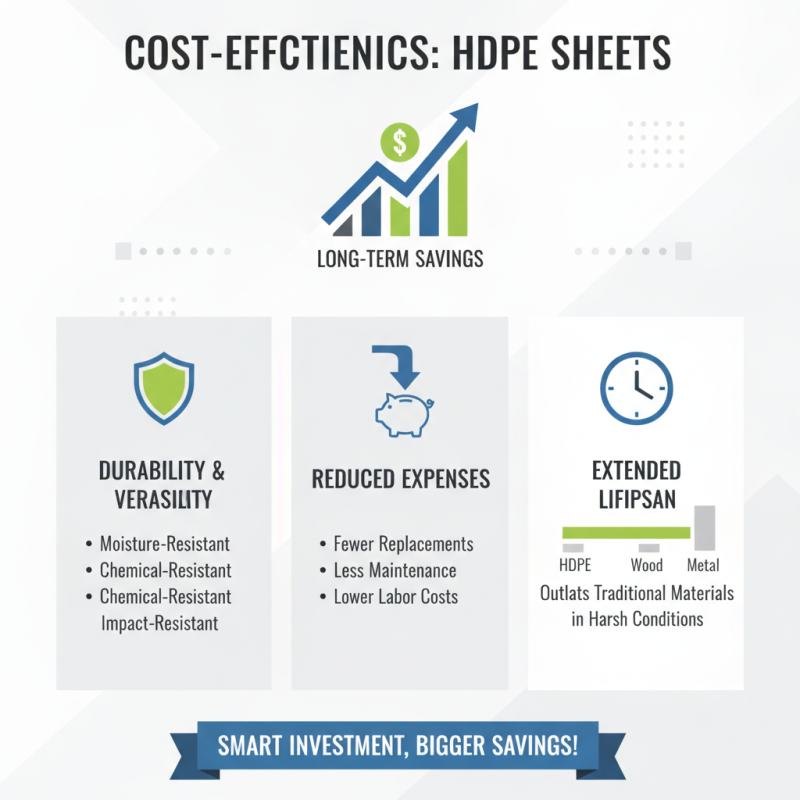
When it comes to construction or design projects, using HDPE sheets can lead to significant cost savings. HDPE, or high-density polyethylene, is often chosen for its durability and versatility. These sheets resist moisture, chemicals, and impact. This resilience means fewer replacements and repairs, which ultimately lowers costs over time. Imagine estimating the lifespan of materials—HDPE often outlasts wood or metal in harsh conditions, resulting in fewer maintenance expenditures.
Additionally, the manufacturing process for HDPE sheets is generally efficient. This efficiency can translate into lower production costs. HDPE is recyclable, which further reduces material waste and disposal fees. Projects that prioritize sustainability often find that using HDPE aligns well with their financial goals. However, some might question the initial investment. It's essential to weigh upfront costs against long-term benefits. A better understanding of these aspects can lead to more informed decisions.
Choosing HDPE sheets is a practical option for many applications. These materials not only provide robust features but also offer a financial edge. This combination of performance and cost-effectiveness makes HDPE a wise choice for diverse projects.