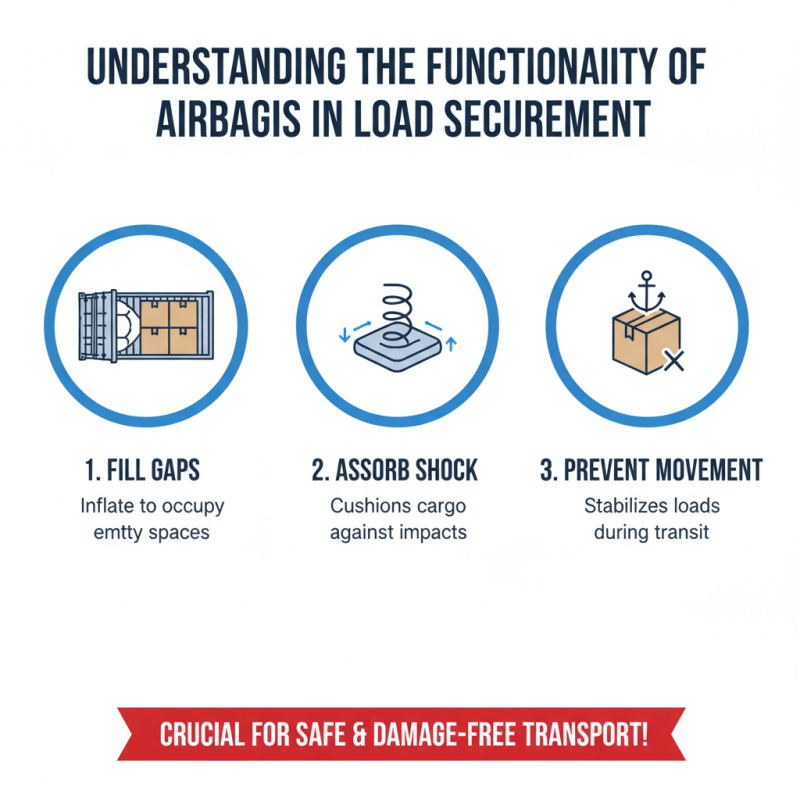
Transporting goods safely is challenging. Load Securement Airbags play a vital role in this process. According to industry expert Dr. Jane Smith, “Load Securement Airbags are critical for protecting cargo during transport.” Her insights highlight the importance of these devices in ensuring cargo remains stable on the road.
Load Securement Airbags are designed to fill gaps and create a cushion around the cargo. This helps to prevent shifting during transit. Shifting can lead to significant damage and financial loss. Despite their importance, some companies overlook the need for these airbags. They may prioritize cost over safety. This oversight can have serious consequences.
Understanding the critical role of Load Securement Airbags can enhance transport safety. Ensuring that every load is secure minimizes risks. While most transport protocols address basic safety measures, airbags represent a more advanced solution. Ignoring them can lead to regrets. In the competitive transport industry, reliability and safety must go hand in hand.

In transportation, load securement is crucial for ensuring safety. When cargo shifts during transit, it can lead to accidents and injuries. Proper load securement techniques are not just best practices; they are essential to protecting lives and property.
Airbags designed for load securement offer significant benefits. They help stabilize cargo, reducing the risk of movement. This stabilization minimizes the chances of tipping or collisions. Additionally, using these airbags can enhance driver confidence while navigating challenging routes. However, not all operators prioritize this aspect. Some might underestimate the importance of securement.
Neglecting load securement can have dire consequences. It might seem like a minor oversight, but the results can be catastrophic. Cargo that shifts can cause severe damage, both to the vehicle and other road users. Regular training on cargo securement practices is vital. Operators should continually evaluate their methods and remain open to improvement.
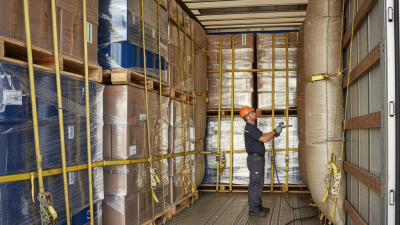
Load securement airbags play a crucial role in ensuring safe transport. These airbags protect cargo by filling the gaps between loads. They absorb shock and prevent movement during transit. This functionality is vital, especially in large shipments. Without airbags, items can shift. This may lead to damage or loss.
Understanding how these airbags work is essential for safe transport. When inflated, they create a cushion. This cushion stabilizes the cargo, keeping it in place. It acts as a barrier against jarring impacts. Drivers can navigate more confidently, knowing their load is secured. Regular inspection of these airbags is necessary. Damaged airbags can fail to perform their role effectively.
However, not all users understand the limits of airbags. They are not a substitute for proper strapping methods. Relying solely on airbags may lead to complacency. There’s an ongoing need for education on best practices. Misunderstanding the functionality can result in accidents. Awareness of these factors enhances overall safety during transport.
In freight transport, load securement airbags play a crucial role in ensuring safety. These airbags help stabilize cargo during transit, reducing the risk of shifting. They are particularly essential when transporting fragile or heavy items. Here are some common types used in the industry.
The most popular type is the inflatable airbag. These are designed to fill gaps in the cargo area, creating a cushion. They can adjust to different load sizes, providing customized protection. Another option is the wedge-shaped airbag. This type is suitable for securing larger loads, effectively filling empty spaces. Both types can prevent damage and lower the risk of accidents.
While airbags enhance safety, improper usage can lead to issues. For instance, overinflating can create excessive pressure. This may cause failure in securing the load. Regular training in the correct methods is vital to maximize effectiveness. Failing to recognize potential problems could lead to costly mistakes. Continuous evaluation of airbag performance is necessary to ensure reliability and safety in transport.
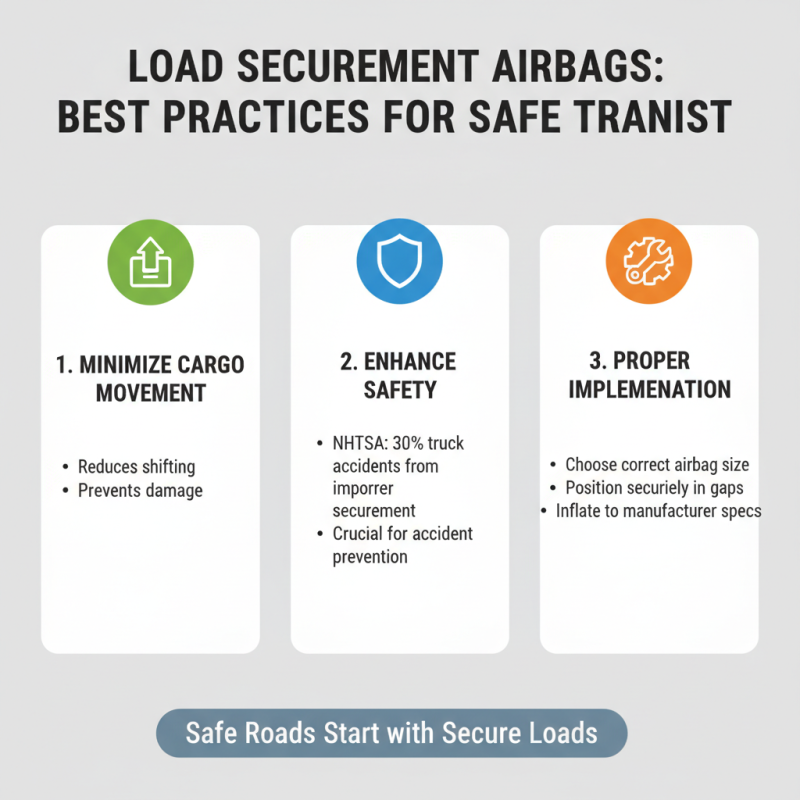
Load securement airbags play a crucial role in safe transport. Their correct implementation is essential for minimizing cargo movement during transit. According to the National Highway Traffic Safety Administration, improper load securement leads to approximately 30% of all vehicular accidents involving trucks. This statistic emphasizes the importance of effective strategies in managing cargo safety.
Implementing load securement airbags requires adherence to best practices. Ensure that airbags are properly inflated before each trip. Monitor weight distribution within the vehicle; uneven loads can lead to instability. Moreover, regular inspections of both the airbags and the cargo itself can prevent unforeseen issues. A 2020 study from the American Trucking Association found that companies utilizing securement airbags reported a 25% reduction in cargo loss incidents.
Drivers and logistics personnel should receive proper training on the usage of these airbags. Understanding how to strategically position them can significantly affect the overall safety of the load. Despite these measures, there remains a need for reflection on current practices. Are all transport loads effectively assessed before departure? Continuous evaluation can lead to improved safety standards and better practices in the industry.
Regulatory standards for load securement are crucial in the transport industry. They ensure cargo stability and safety during transit. Various agencies set these guidelines to protect both drivers and the public. Airbags play an essential role in meeting these requirements. They help absorb shocks, keeping loads secure on rough roads.
Drivers must understand the regulations governing their operations. Compliance with load securement standards can prevent accidents. However, many companies overlook training on these regulations. This can lead to improper use of airbags and increased risks. Regular checks and updated training are necessary for all transport personnel.
Airbag systems should be tested regularly. Even with safety measures, wear and tear can affect their performance. It's important to reflect on how often equipment is inspected and maintained. Real-world experiences demonstrate that neglecting these practices can lead to serious consequences, both for cargo and personnel.
| Regulation | Description | Airbag Usage Requirement | Load Securement Method | Penalty for Non-compliance |
|---|---|---|---|---|
| FMCSA | Federal Motor Carrier Safety Administration regulations for commercial vehicles. | Required to use airbags when specified by load type. | Securement devices (straps, chains) must be used alongside airbags. | Fines up to $5,000 per violation. |
| ISO 3874 | International standard concerning the securing of loads on road vehicles. | Airbags necessary for loads exceeding standard weight. | Separation guidelines and load distribution methods. | Compliance audits leading to potential product recalls. |
| DOT | Department of Transportation guidelines for safety and operational standards. | Airbags must be deployed for all heavy payloads. | Integrated airbag systems required for full compliance. | Warnings, fines, and possible license suspensions. |
| ANSI | American National Standards Institute, promoting safe transport practices. | Airbags are recommended for all commercial transport vehicles. | Specific recommendations for securing lightweight versus heavy loads. | Non-compliance may result in civil penalties. |