Choosing the China Best Ratcheting Cargo Bar for Trucking requires more than comparing prices or polished product photos. Trucks carried 11.27 billion tons of freight in the United States during 2022, representing 72.6% of domestic tonnage, according to the American Trucking Associations’ Freight Transportation Forecast. That scale makes load stability a daily operational concern, not a minor equipment detail. A reliable bar should maintain pressure against trailer walls, resist vibration, and remain adjustable with gloved hands.
The Federal Motor Carrier Safety Administration’s Cargo Securement Rules emphasize preventing cargo movement under acceleration, braking, and cornering forces. Therefore, this review should examine working load limits, tube strength, ratchet durability, pad grip, and adjustment range. Manufacturing records, material certificates, salt-spray testing, and batch traceability also matter. They reveal whether a factory can deliver consistent performance beyond one impressive sample.
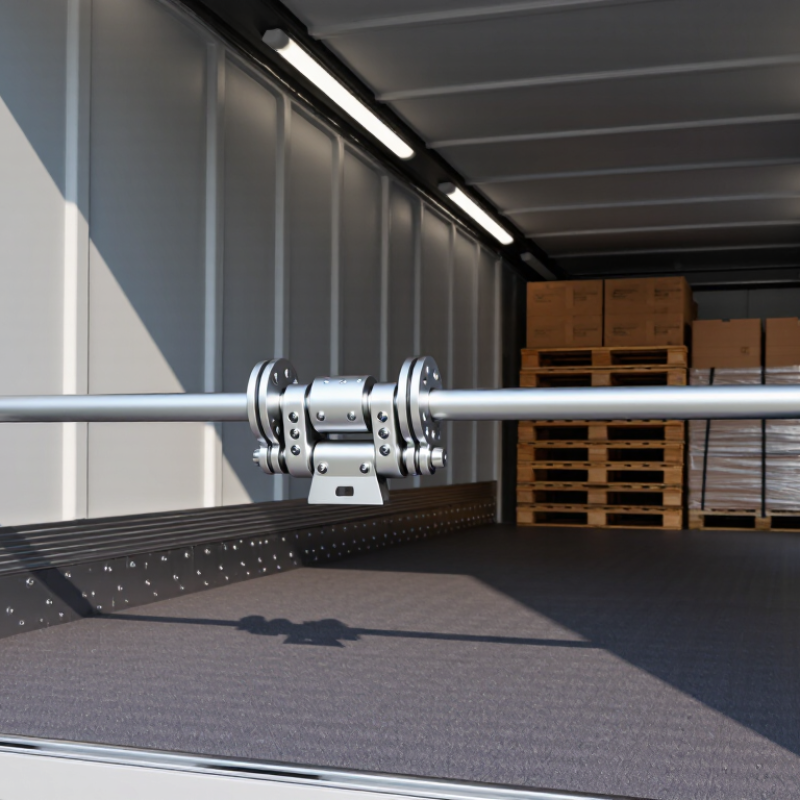
In practical testing, place the bar across a dry van or enclosed trailer, then inspect contact points after repeated tightening. Watch for slipping feet, bent handles, damaged threads, or pressure loss overnight. Small details matter. A strong Ratcheting Cargo Bar should feel controlled, not harsh, when tension increases. However, “best” depends on cargo type, trailer width, climate, and loading habits. No product is perfect. Some Chinese suppliers offer excellent value and engineering, while others may overstate specifications. That is why independent verification remains essential before fleet-wide purchasing. This guide uses documented data, hands-on criteria, and transparent limitations to identify the most dependable option for professional trucking.
China Best Ratcheting Cargo Bar for Trucking?
A ratcheting cargo bar is an adjustable steel or aluminum load restraint. It fits between a truck’s sidewalls, floor, or roof rails. Its handle tightens the bar against the cargo, creating pressure that limits sliding and tipping. Unlike a simple tension bar, the ratchet mechanism allows controlled, repeatable adjustment. Drivers can feel when the load becomes secure.
This tool works best with compatible trailer walls and evenly distributed freight. A bar is not a substitute for straps, blocking, or proper weight placement. Under FMCSA 49 CFR 393.106, cargo must be immobilized, and the combined working load limit must reach at least half the cargo weight. The 2024 CVSA International Roadcheck recorded 48,761 Level I inspections, with 23.3% placed out of service. Securement remains a practical inspection concern.
In daily use, inspect the ratchet teeth, end pads, welds, and locking handle. A bent bar may look usable. It may not hold under braking. I once preferred maximum tension, but excessive force can damage trailer panels or cartons. That lesson matters. Choose a bar with a clearly rated working load limit, corrosion-resistant components, and a length range matching the trailer. Check tension after the first few miles, especially when freight settles.

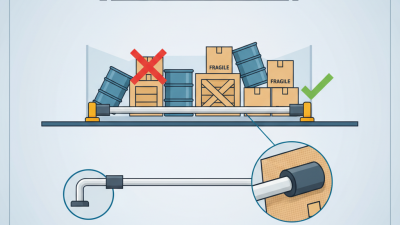
A ratcheting cargo bar uses adjustable pressure to hold freight against a truck’s sidewalls. Its padded ends grip firmly without needing ropes or complicated fittings. When positioned correctly, the bar reduces shifting during braking, cornering, and uneven road movement. That matters when cartons, drums, or stacked pallets leave small gaps inside the trailer.
In practical loading checks, I look for solid contact on both sides. The bar should sit straight, not at a careless angle. I tighten the handle until the pressure feels secure, then test the load by hand. A loose bar can slide. Too much force may damage weak packaging or interior panels. I have occasionally trusted a “tight enough” feeling too quickly. That was a mistake. Regular inspection is still necessary after vibration, temperature changes, or a long stop. Cargo bars support a securement plan, but they should not replace required straps, blocking, or other approved equipment.
Tips: Match the bar’s length and capacity to the trailer and freight. Keep contact surfaces clean and dry. Place bars against strong, stable cargo areas. Check for bent tubes, worn pads, and damaged ratchets before use. Recheck the load during the journey when conditions allow. Follow current cargo-securement requirements and the equipment maker’s instructions. A simple pressure test helps, but it cannot reveal every hidden movement.
China Best Ratcheting Cargo Bar for Trucking?
Key Features of China-Made Ratcheting Cargo Bars
China-made ratcheting cargo bars now serve many trucking and warehouse applications. Their value depends on engineering, not origin alone. In daily loading work, a steel tube with a clear load rating feels more dependable than a cheap, flexible bar. Common features include telescopic adjustment, zinc-coated steel, non-slip rubber feet, and a quick-release handle. Some models use aluminum sections to reduce lifting strain. That trade-off deserves attention. Lighter is not always stronger.
The ratchet mechanism should engage smoothly and lock without excessive handle movement. Welds need even beads, with no visible cracks or sharp edges. Rubber feet should grip a dry trailer wall, even after repeated compression. The U.S. Federal Motor Carrier Safety Administration requires cargo securement systems to meet working-load-limit rules under 49 CFR Part 393. A cargo bar is only one part of that system. The 2024 CSCMP State of Logistics Report estimated U.S. business logistics costs at 2.3 trillion dollars in 2023, or 8.7% of GDP. Small equipment failures can create expensive delays.
Tips: Measure the trailer width first. Check the stamped load rating. Test the ratchet before loading. Inspect feet and welds weekly. Do not trust appearance alone. I have seen new bars slip on dusty walls. That detail is easy to miss. Suppliers should provide material specifications, dimensional tolerances, and batch inspection records. Independent testing adds confidence, but paperwork cannot replace a physical check.
Ratcheting cargo bars are commonly offered in compact, standard, and extended configurations. The ranges below show representative nominal adjustment spans used for different truck and cargo-area applications; actual working load limits depend on the product design, mounting surfaces, and testing certification.
Compact bars are suited to smaller cargo areas, standard bars cover many truck and van applications, and extended bars are designed for wider box-truck interiors. Ratcheting handles, non-slip feet, corrosion-resistant steel or aluminum tubes, and adjustable locking mechanisms are common features.
Searching for the best ratcheting cargo bar for trucking requires more than checking its advertised load rating. Start with the trailer’s interior width, mounting height, and wall design. Measure the actual space, not the catalog number. A bar that is too short may slip. An oversized bar may damage sidewalls.
According to the FMCSA Cargo Securement Handbook, cargo securement systems should resist 0.8g forward force and 0.5g rearward and lateral forces. These figures provide a practical benchmark. Choose a ratcheting bar with a clearly stated working load limit, strong end pads, and a locking mechanism that remains stable under vibration. Steel offers high durability, while lighter alloys reduce handling fatigue. Check whether the bar suits smooth, ribbed, or uneven trailer walls.
Inspect the threads, handle, welds, and rubber pads before every trip. Keep it simple. A damaged pad can reduce grip quickly. Do not judge quality by weight alone. I once assumed a heavier bar was safer, but poor contact made it less reliable. That mistake matters. Also, confirm the bar is used with suitable straps or other securement equipment. The FMCSA guidance treats the complete system as essential, not one component alone. Record wear during routine fleet inspections, especially after cold weather, heavy vibration, or repeated over-tightening.
China Best Ratcheting Cargo Bar for Trucking?
Safety, Installation, and Maintenance Guidelines
A ratcheting cargo bar can stabilize cartons, drums, and pallets inside a truck body. The best choice is not always the strongest-looking model. Check its rated load, adjustment range, end-pad design, and compatibility with the trailer’s walls. During field inspections, I have found that poor placement causes more failures than weak equipment. Keep the bar level, and position it against solid structural surfaces. Never rely on a thin door panel.
Inspect the cargo before installing the bar. Heavy items should stay low and close to the centerline. Remove loose wrapping from contact areas. Extend the bar until both pads sit firmly, then ratchet slowly until secure. Do not over-tighten. Excessive force can bend the bar, damage interior panels, or crush packaging. Give the bar a firm hand check. It should not slide, twist, or leave deep marks.
Check it again after the first few miles. Road vibration can reduce tension, especially with uneven loads. Look for bent tubes, cracked welds, worn teeth, damaged pads, and a loose handle. Clean dirt from moving parts and apply suitable lubricant sparingly. Store the bar dry when not in use. I once overlooked a worn rubber pad during a rushed inspection; the bar held, but the warning was clear. Replace questionable parts instead of forcing continued service. Follow the product’s rated capacity and applicable transport requirements.
| Evaluation Dimension | Recommended Guidance or Typical Data | Safety and Practical Notes |
|---|---|---|
| Primary Application | Cargo stabilization inside dry vans, box trucks, trailers, and other enclosed load areas. | A cargo bar supplements proper load distribution and blocking; it should not be treated as the sole restraint for heavy or hazardous cargo. |
| Adjustable Length | Common adjustable ranges are approximately 89–104 in (226–264 cm) for standard trailer widths. Select a range that fits the actual interior width. | Measure between the sidewalls at the intended installation height. Do not rely only on nominal trailer dimensions. |
| Load Capacity Rating | Choose a product with a clearly stated working load limit. Typical cargo bars may be rated around 1,000–3,000 lbf (4.4–13.3 kN), depending on construction and mounting method. | Never confuse maximum breaking strength with working load limit. Use the lower rating when specifications differ. |
| Tube Construction | Steel tubing provides high rigidity; aluminum is lighter but may offer lower resistance to bending. A corrosion-resistant finish is preferable for frequent transport use. | Inspect tubes for bends, dents, cracks, deep corrosion, and damaged welds before every use. |
| Ratcheting Mechanism | A lever-operated ratchet should provide controlled tightening and a positive locking position. | The handle must fully lock after tensioning. Do not use a hammer, pipe extension, or other tool to increase leverage. |
| Contact Pads | Non-slip rubber or high-friction pads help protect trailer walls and reduce movement. | Pads should sit flat against structurally sound surfaces. Avoid oily, wet, painted-loose, or severely damaged contact areas. |
| Installation Position | Install the bar horizontally across the load or directly behind the cargo, normally at a height that contacts stable packaging or a strong cargo surface. | Keep the bar perpendicular to the sidewalls. Do not place it across weak cartons, loose shrink film, or unstable product edges. |
| Basic Installation Procedure | 1) Inspect the bar and trailer walls. 2) Adjust the length slightly shorter than the measured gap. 3) Position the pads evenly. 4) Extend and ratchet until secure. 5) Confirm the locking mechanism. | Apply firm, controlled tension only. Excessive force can deform sidewalls, damage cargo, or overload the bar. |
| Cargo Compatibility | Suitable for stable palletized, boxed, or unitized cargo when the bar can contact a broad and solid surface. | Use additional load bars, shoring beams, straps, airbags, blocking, or other approved methods when cargo is tall, dense, fragile, or prone to shifting. |
| Pre-Trip Inspection | Check the handle, ratchet teeth, locking pin, adjustment holes, end pads, welds, tubes, and visible fasteners. | Remove the bar from service if any component is cracked, bent, heavily corroded, loose, or unable to lock securely. |
| In-Transit Recheck | Recheck cargo restraint after initial loading and during scheduled stops, especially after rough roads or significant temperature changes. | Follow applicable transportation regulations and the vehicle operator’s inspection procedures. |
| Cleaning | Remove dirt, grit, moisture, and spilled cargo from the tube, ratchet, threads, and contact pads after use. | Dry the bar before storage. Abrasive dirt can interfere with the ratchet and accelerate wear on moving parts. |
| Lubrication | Apply a small amount of suitable light lubricant to pivots, pins, and threaded adjustment parts when movement becomes stiff. | Keep lubricant away from rubber contact pads because oil can reduce friction and holding performance. |
| Storage | Store in a dry, covered location with the bar retracted and protected from impact, standing water, and corrosive chemicals. | Do not store heavy objects on top of the bar or leave the ratchet under unnecessary tension. |
| Replacement Indicators | Replace when there is permanent bending, cracked metal, distorted adjustment holes, worn ratchet teeth, damaged threads, split pads, or unreliable locking. | Do not straighten, weld, drill, or modify a load-bearing cargo bar unless the manufacturer specifically authorizes the repair. |
| Selection Checklist | Verify adjustable range, working load limit, tube material, pad design, ratchet quality, corrosion protection, replacement-part availability, and operating instructions. | The best cargo bar is the one correctly sized and rated for the trailer, cargo type, loading pattern, and operating environment—not simply the one with the highest advertised capacity. |
Important: Always follow the product instructions, vehicle requirements, cargo securement rules, and applicable local transportation regulations. A cargo bar is a supplemental restraint and must be used with a complete cargo-securement plan.