How to Choose the Best Hdpe Geomembrane for Your Project?
Selecting the optimal HDPE geomembrane for your project can be daunting. With various products in the market, making the right choice is crucial. Industry expert Dr. Emily Hudson states, “The performance of an HDPE geomembrane depends largely on its quality and the specific project needs.” Understanding these qualities can save time and costs.
HDPE geomembranes are essential in containment applications. They are used in landfills, mining, and water treatment facilities. The right selection impacts durability and longevity. It's not just about choosing the most expensive option. An informed decision involves evaluating factors like thickness, color, and environmental conditions.
Choosing the right HDPE geomembrane involves careful consideration. Every project has unique requirements that can lead to missteps if overlooked. It’s vital to consult with experienced professionals and gather data. Ultimately, the quality of the geomembrane can define the success of your project.
Understanding HDPE Geomembrane: Properties and Benefits
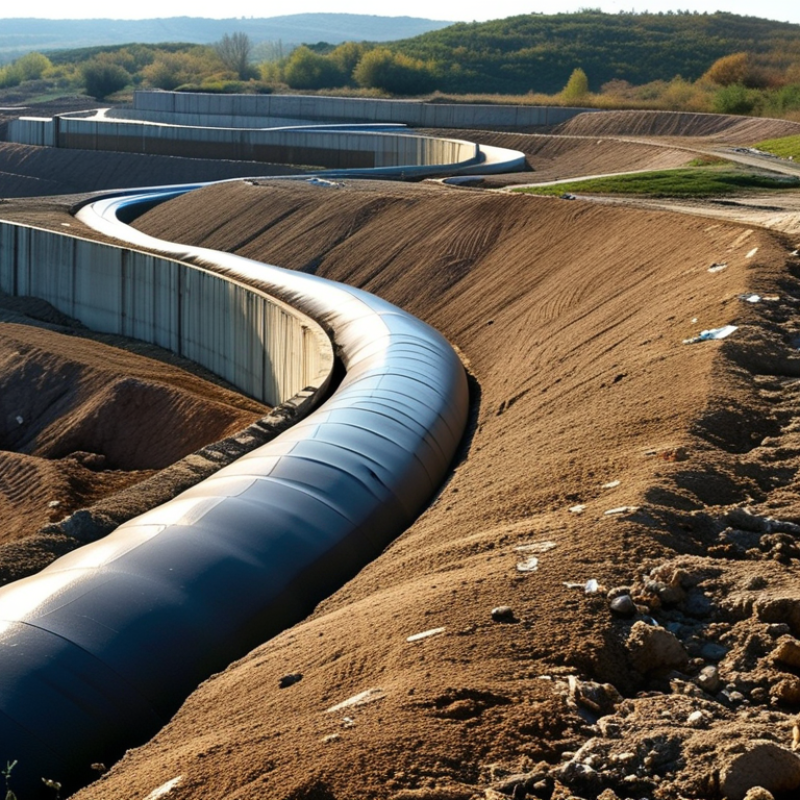
HDPE (High-Density Polyethylene) geomembranes are critical for many construction and environmental projects. Their unique properties make them effective barriers against liquid and gas migration. According to the Geosynthetic Research Institute, HDPE geomembranes have a low permeability of 10^-13 cm/s, making them ideal for applications such as landfill liners and mining.
One significant benefit of HDPE geomembranes is their durability. They are resistant to punctures, tears, and chemical exposure. The material can withstand extreme temperatures, making it suitable for various environments. A study from the Federal Highway Administration highlights that proper installation can ensure a lifespan exceeding 30 years. However, challenges in installation or material flaws can lead to unintended leaks, emphasizing the importance of quality control.
Additionally, HDPE geomembranes are lightweight and easy to transport. This feature can lower transportation costs and reduce the overall project timeline. Despite these advantages, some projects may overlook the need for extensive site analysis. Understanding soil conditions and environmental factors is crucial for optimal performance. Neglecting these aspects can result in project delays or increased expenses, reminding stakeholders of the importance of thorough planning.
Identifying Your Project Requirements for Geomembrane Selection
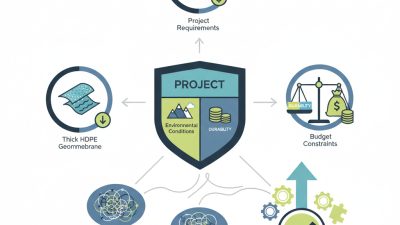
Choosing the right HDPE geomembrane for your project starts with understanding your specific requirements. Consider the unique conditions of your site, such as soil type, climate, and intended use. For instance, projects in colder climates may require membranes that can withstand freezing temperatures. In contrast, applications involving chemicals necessitate materials that resist corrosion.
Evaluate the thickness of the geomembrane based on the expected stress and strain. Thicker membranes tend to offer better durability but can be more challenging to install. You should also factor in UV exposure. If the geomembrane will be above ground, selecting a product with UV resistance is crucial to prevent degradation over time.
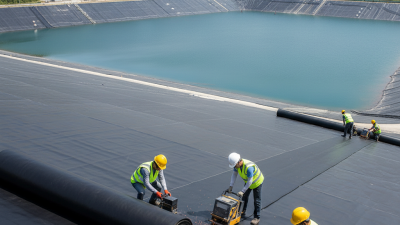
Don't overlook the installation process, as it impacts the performance. Ensuring proper seams and joints during installation is vital. Misalignment or insufficient sealing can lead to leaks, which could compromise the entire project. Lastly, always review the manufacturer’s specifications to ensure compliance with industry standards. Each project is unique, and reflecting on these considerations will guide you to make the best choice.
Geomembrane Selection Criteria
This chart illustrates the importance level of different criteria for selecting the best HDPE geomembrane for your project. Factors such as durability and environmental resistance rank higher, indicating their critical role in successful project execution.
Evaluating the Different Types and Thicknesses of HDPE Geomembranes
When selecting the right HDPE geomembrane for your project, thickness and type matter significantly.
HDPE geomembranes vary in thickness, typically ranging from 0.5 mm to 2.0 mm.
Thicker options provide better resistance to punctures and chemical exposure.
For instance, a 2.0 mm geomembrane is often preferred for landfills or wastewater containment due to its durability.
Different types of HDPE geomembranes also serve various applications. Some are designed for environmental protection, while others focus on drainage or water retention.
Consider factors such as temperature fluctuations and soil conditions. Assessing these parameters is crucial for optimal performance.
However, choosing the wrong thickness or type can lead to project failures.
Testing and research are essential to avoid potential pitfalls. Seek expert advice and review case studies relevant to your specific needs.
This reflective process ensures you are not just relying on basic information. You also build a deeper understanding of geomembrane applications.
Each project brings unique challenges, and being well-informed can lead to better outcomes.
Key Considerations for Quality and Durability in Geomembranes
When selecting an HDPE geomembrane for a project, quality and durability are paramount. Consider the environmental conditions of the site. Materials can degrade under UV exposure or extreme temperatures. Ensure the geomembrane you choose has adequate UV resistance. The thickness of the material also matters. A thicker geomembrane typically offers better puncture resistance, but balance it with project budget and requirements.
Another crucial factor is the installation process. A poorly installed waterproof liner can lead to leaks and failures. Review the manufacturer's guidelines carefully. These provide valuable insights into installation best practices. Evaluate the compatibility of the geomembrane with chemicals or waste it may encounter. Not all HDPE geomembranes are created equal when it comes to chemical resistance. Double-check this aspect during your selection.
Even minor flaws can have significant consequences over time. Inspect for any signs of defects before installation. Regular maintenance and inspections post-installation can prolong the lifespan of the geomembrane. It is wise to stay informed about advancements in geomembrane technology. Awareness can help you make better and more informed decisions for future projects.
Comparing Costs and Suppliers for HDPE Geomembrane Solutions
When selecting the best HDPE geomembrane for your project, analyzing costs and suppliers is crucial. According to industry data, the cost of HDPE geomembranes varies significantly based on thickness and application. For instance, projects involving large-scale containment solutions can have prices ranging from $0.50 to $3.00 per square foot. This variability requires careful budgeting and supplier comparison.
Finding reliable suppliers is essential. Look for companies with a track record of successful project completions. Reports from the Geosynthetic Institute highlight that reputable suppliers often offer more consistent quality. This not only ensures better performance but may also lead to long-term cost savings. Beware of suppliers that seem significantly cheaper; they might compromise on material quality.
In your research, consider contacting multiple suppliers for quotes. This can provide better pricing options. Aim for a balance between cost and quality. Quality assurance certificates and product testing reports can offer valuable insights into the reliability of the material. Always check past customer reviews for supplier credibility. Focusing on these elements might prevent future project setbacks and ensure durability in your application.