How to Choose the Best Pp Dunnage Bag for Shipping Needs?
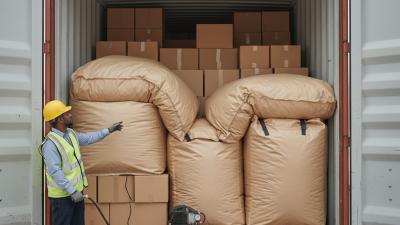
When it comes to shipping needs, choosing the right packaging is crucial. The Pp Dunnage Bag plays a vital role in protecting goods during transit. According to industry reports, properly secured items can reduce cargo damage by up to 70%. This statistic emphasizes the importance of selecting the best dunnage solution for various shipping conditions.
Numerous options exist, making the selection process challenging. Factors such as size, material quality, and durability are essential. Reports indicate that improperly chosen dunnage solutions can lead to significant financial losses. In light of this, understanding the specifications of a Pp Dunnage Bag is necessary. More importantly, recognizing its benefits in cushioning and stabilizing items is key.
It's also worth considering the environmental impact. Sustainable options are in demand, as over 50% of shippers seek eco-friendly packaging alternatives. Nevertheless, some Pp Dunnage Bags may not meet these criteria, leading to potential waste issues. By weighing these factors, shippers can make informed decisions and choose bags that align with their operational goals.

Understanding the Purpose of Pp Dunnage Bags in Shipping
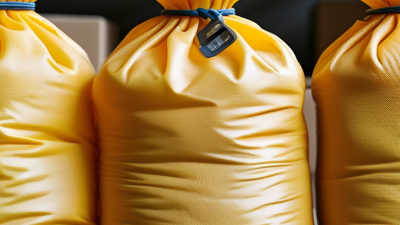
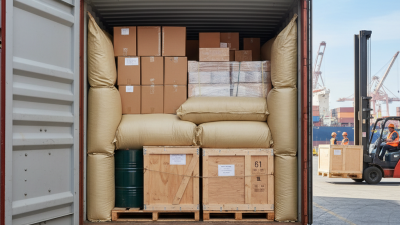
PP dunnage bags serve a vital role in the shipping industry. They provide cushioning and stability during transportation, ensuring that goods arrive intact. According to a report by the Freight Transportation Research Association, nearly 30% of products are damaged during shipping. This damage often occurs due to shifting loads. Using dunnage bags can significantly reduce this risk.
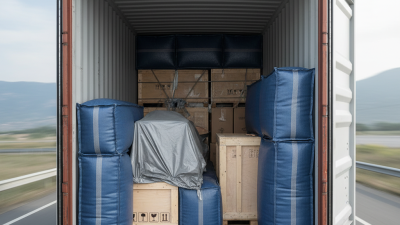
In 2022, a study showed that companies employing dunnage bags reported a 25% decrease in damage claims. These bags effectively fill voids in shipping containers, preventing movement. They are lightweight, easy to use, and cost-effective. The materials used in manufacturing offer strong resistance to punctures and tears, increasing reliability during long hauls.
There is room for improvement in the industry. Some users report difficulties in properly inflating the bags. Training may be necessary to maximize their effectiveness. Additionally, selecting the right size and type of bag is crucial. Improper fit can lead to continued movement and damage, negating the benefits dunnage bags offer. Understanding these nuances can enhance shipping efficiency and protect valuable cargo.
Factors to Consider When Selecting Pp Dunnage Bags
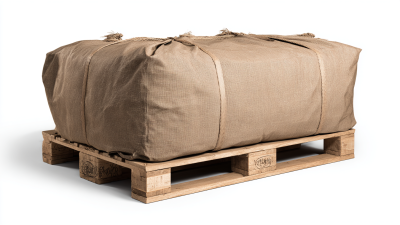
When choosing the best PP dunnage bag for your shipping needs, several factors come into play. The size of the bag is crucial. A well-sized bag prevents cargo from shifting during transit. Measure your cargo dimensions to determine the appropriate bag size. The material's strength also matters, as it should withstand pressure and impact. Look for bags with reinforced seams and durable material to ensure reliability.
Consider the inflation method. Some bags are inflated with air, while others may use a pump. Easy inflation can save you time during packing. Another important factor is the load capacity. Ensure the bag can handle the weight of your shipment. Underestimating this can lead to damaged goods and potential financial losses.
Think about the environmental impact as well. Some bags are recyclable, which can benefit your sustainability goals. Reflect on your previous shipping experiences. Have you encountered any issues with your current bags? Learning from past challenges can guide your choice. Each shipping situation is unique, and being aware of your specific needs will lead to better decisions.
How to Choose the Best PP Dunnage Bag for Shipping Needs?
Comparing Different Materials and Sizes of Pp Dunnage Bags
When selecting the best PP dunnage bag, examining material types and sizes is crucial. Polypropylene is commonly used due to its strength and durability. According to a report from the Packaging Institute, PP bags can withstand pressures of up to 2,000 pounds, making them suitable for heavy loads. However, it is essential to assess if this strength meets your shipping requirements.
Size also plays an important role in effectiveness. Dunnage bags range from small (10 x 20 inches) to large (48 x 96 inches). A 2022 study indicated that using the right size can reduce shipping damages by 30%. Oversized bags may not provide adequate support, while undersized options can lead to load shifting. Testing different sizes for your specific cargo is advisable.
It's also worth noting that while PP bags are generally reliable, they can be prone to wear over time. Environmental factors, such as temperature and humidity, may affect their performance. Regular assessments and adjustments are necessary to ensure optimal use. Understanding these nuances helps in choosing the right dunnage configuration for your shipping needs.
Evaluating Cost-Effectiveness of Pp Dunnage Bags for Shipping
Choosing a cost-effective PP dunnage bag is crucial for minimizing shipping expenses while ensuring product safety. A recent industry report indicates that using dunnage bags can reduce shipping damage costs by up to 30%. This substantial saving reflects their ability to stabilize loads in transit effectively. The lightweight design of these bags also contributes to lower shipping weights, impacting overall freight costs positively.
When assessing cost-effectiveness, consider the material's durability. High-quality PP dunnage bags resist punctures and tears better than lower-grade alternatives. Investing in better materials may incur higher upfront costs, but the reduction in product loss can justify the expense. Research shows that businesses often achieve a return on investment within six months using these bags for shipping.
Examine the compatibility of dunnage bags with your specific products. Some bags may perform poorly with certain shapes or weights. Regularly reviewing your options ensures you're using products that best fit your shipping needs. Evaluate shipping routes and average transport conditions. Factors like humidity and temperature fluctuations can influence bag performance and should inform your decisions.
Best Practices for Using Pp Dunnage Bags in Shipping Operations
When using PP dunnage bags in shipping operations, best practices ensure the safety of your cargo. It's vital to properly inflate the bags to the appropriate pressure. This prevents shifting during transit. Over-inflation can cause ruptures, while under-inflation may not provide adequate support. Testing the bags under actual conditions can reveal their limits.
Place the PP dunnage bags strategically around the cargo. This provides optimal stabilization. Ensure they are positioned to fill all voids. Observing how the bags perform with various loads helps identify the best arrangement. Sometimes, unexpected shifts can occur. Keeping a close eye during loading can help catch potential issues early.
When preparing for shipping, inspect each bag for damage. Using a damaged bag can compromise its effectiveness. Consider rotating your inventory to ensure older bags do not deteriorate over time. Reflecting on past shipments can help refine your approach. Learning from mistakes improves future shipping practices and prevents costly errors.