What is Kraft Slip Sheets and How Are They Used?
Kraft Slip Sheets are essential tools used in various industries for efficient packaging and transportation. Made from robust Kraft paper, these sheets provide a lightweight yet strong base for palletizing goods. Their design allows for better stability during storage and transit. Many companies favor Kraft Slip Sheets over traditional pallets due to their cost-effectiveness and eco-friendly nature.
Despite their advantages, some users face challenges when adapting to Kraft Slip Sheets. For instance, proper handling and securing the load can be tricky. Not all workers may be trained to use them effectively. This can lead to potential risks, such as product damage or safety issues. Therefore, training is crucial for maximizing their benefits.
Kraft Slip Sheets are also gaining popularity in sustainable practices. They are recyclable and reduce waste compared to wooden pallets. Businesses straying from traditional methods often find themselves at a crossroads. Evaluating both the pros and cons of switching to these sheets is essential. Understanding their applications can transform logistics, but it requires careful consideration.
What Are Kraft Slip Sheets?
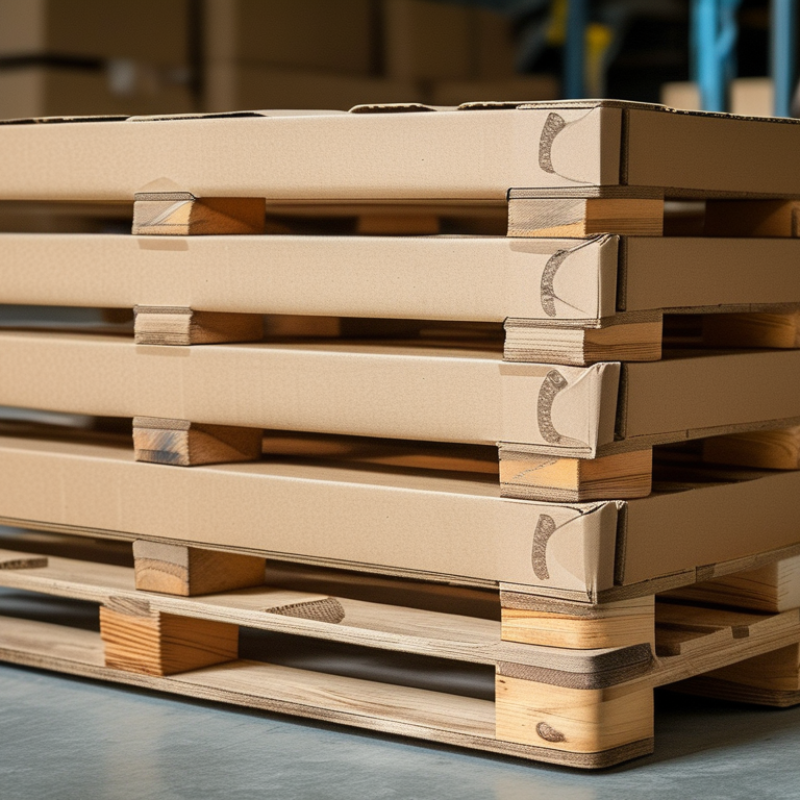
Kraft slip sheets are versatile materials used in various industries for safe and efficient transportation. These sheets, typically made from recycled paper, serve as an alternative to wooden pallets. Their lightweight design significantly reduces shipping costs. Reports indicate that businesses can save up to 25% on transportation costs by switching to slip sheets. This is substantial in a market where minimizing expenses is crucial.
The durability of Kraft slip sheets makes them reliable for heavy loads. They can easily hold up to 1,500 pounds. This characteristic allows companies to stack products efficiently, maximizing the use of space in shipping containers. Despite their strength, some companies still overlook the potential benefits. They might prefer traditional pallets, missing the advantages of slip sheets. Manufacturers have also noted the ecological impact, as using slip sheets reduces waste. Transitioning to these sheets can be a sustainable choice.
However, the adaptation process is not without challenges. Some workers may require training to handle slip sheets correctly. Mishandling can lead to accidents or damage to goods. Additionally, not every product is suitable for slip sheet use. Companies must evaluate their specific needs before making the switch. This consideration can lead to better decision-making and resource allocation.
The Composition and Design of Kraft Slip Sheets
Kraft slip sheets are versatile tools in material handling and logistics. Made from durable kraft paper, they are designed to replace traditional pallets in shipping and storage. This design reduces weight and saves on shipping costs. Kraft slip sheets have a smooth surface, ensuring easy movement of goods. They can be used for stacking products, making them efficient for warehouse management.
When considering kraft slip sheets, it's essential to assess their thickness and durability. Thicker sheets generally support heavier loads. They also play a role in protecting goods from damage during transportation. Crafting them with attention to detail ensures they meet specific needs. Take the time to evaluate the right size and strength for your application.
**Tip:** Always test the slip sheet with actual weights before full implementation. This step helps avoid potential mishaps. Regularly inspect the sheets for wear and tear, replacing them as needed. Prioritizing quality in materials and construction will lead to better performance and cost savings in the long run. Remember, investing in quality slip sheets can significantly impact your supply chain.
What is Kraft Slip Sheets and How Are They Used? - The Composition and Design of Kraft Slip Sheets
| Property |
Description |
| Material |
Kraft paper, which is strong and durable. |
| Thickness |
Typically ranges from 0.020 to 0.040 inches. |
| Weight |
Varies from 200 to 300 GSM. |
| Advantages |
Lightweight, cost-effective, and eco-friendly. |
| Applications |
Used in shipping, storage, and for pallet replacement. |
| Design |
Flat sheets without protrusions, designed for smooth handling. |
| Environmental Impact |
Biodegradable and recyclable, reducing landfill waste. |
| Compatibility |
Compatible with various types of forklifts and handling systems. |
Advantages of Using Kraft Slip Sheets in Packaging
Kraft slip sheets are an innovative packaging solution gaining popularity across various industries. These are thin sheets made from durable Kraft paper. They serve as an alternative to traditional pallets. Kraft slip sheets offer several advantages that enhance efficiency in shipping and storage.
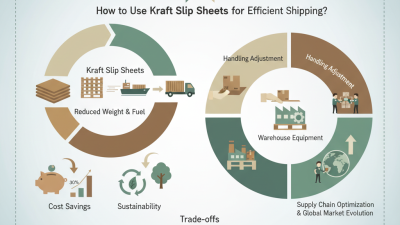
One notable benefit is their lightweight design. This feature reduces shipping costs, as lighter loads can lower freight charges. Additionally, Kraft slip sheets can maximize space in containers. They fit snugly between layers of products, allowing companies to load more items in a single shipment. This efficient packing method can lead to significant cost savings over time.
Moreover, Kraft slip sheets are environmentally friendly. They are recyclable and biodegradable, fitting well with sustainable practices. However, companies must ensure proper handling to avoid damage during transit. Users should also consider compatibility with their existing equipment. Transitioning to this system may require training. These factors can create challenges. Addressing them is essential for a smooth implementation.
How to Properly Use Kraft Slip Sheets in Shipping
Kraft slip sheets are essential tools in shipping. They are thin, flat sheets made of durable paperboard. These sheets replace traditional pallets, providing a lighter and cost-effective alternative. When using Kraft slip sheets, proper technique is key to maximizing their benefits.
To properly use Kraft slip sheets, start by ensuring your cargo is evenly distributed. Uneven weight can cause instability during transport. Next, ensure the slip sheet is compatible with your load. Use sheets that are strong enough to handle the weight and size of your products. Picture your items snugly fitting on the sheet without overhang. This ensures safety during movement.
Here are some tips for effective use. Ensure the edges of the slip sheets are smooth to prevent tearing. Implement the use of pallet jacks for easy maneuvering. Lastly, consider stacking items carefully if you need to load multiple layers. Avoid overloading the slip sheets, as this can lead to accidents or product damage. Regularly review your shipping process to identify areas for improvement. This helps maintain a safe and efficient shipping environment.
Kraft Slip Sheets Usage and Benefits in Shipping
Industries That Benefit from Kraft Slip Sheet Applications
Kraft slip sheets are essential in various industries, particularly for those focused on efficiency and sustainability. These thin sheets made from Kraft paper serve as alternatives to traditional pallets. Manufacturers in food and beverage sectors often utilize them for transporting goods. The lightweight nature of Kraft slip sheets reduces shipping costs significantly.
In warehousing, using Kraft slip sheets can enhance space optimization. They allow for more stacking options compared to wooden pallets. This increases storage capacity, leading to reduced operational costs. However, not all products should be shipped on slip sheets. Fragile items require extra care, and a slip sheet may not provide adequate support.
Tips: Always test the load capacity of your slip sheets before using them for heavy shipments. Regularly inspect slip sheets for any wear or damage, as this can compromise transport safety. Businesses should consider training staff on proper handling techniques to prevent accidents.