

Inquiry
Form loading...
-
Phone
-
E-mail
-
Whatsapp
-
WeChat

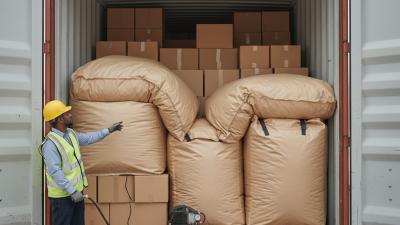
Choosing the right Pp Dunnage Bag can determine whether cargo arrives stable, dry, and ready for sale. In global shipping, small gaps between cartons may become serious movement during ocean transit. A pallet can shift inside a container, even when it appears tightly packed at the warehouse. Experienced loading teams therefore assess bag size, construction, inflation pressure, and cargo weight before sealing each shipment.
This guide presents seven practical tips for selecting and using Pp Dunnage Bag products with greater confidence. It considers the differences between rail, road, and sea transport, where vibration, braking, humidity, and temperature changes create different risks. The discussion also covers paper or woven polypropylene layers, valve reliability, certification requirements, and compatibility with the available air equipment. Strong materials matter. Correct placement matters more.
A reliable supplier should provide clear technical data, traceable quality controls, and realistic load limitations. Do not trust impressive claims without test evidence. In practice, even a well-made bag can fail when inflated unevenly or placed against sharp pallet edges. That detail is easy to overlook. It deserves attention.
The recommendations below are based on common freight-handling practices and careful risk assessment. They are not a substitute for shipment-specific testing. Your cargo, container layout, and route may require adjustments. That uncertainty should be acknowledged, not hidden. With thoughtful selection and disciplined installation, dunnage bags can help reduce shifting, impact damage, and avoidable claims across international supply chains.
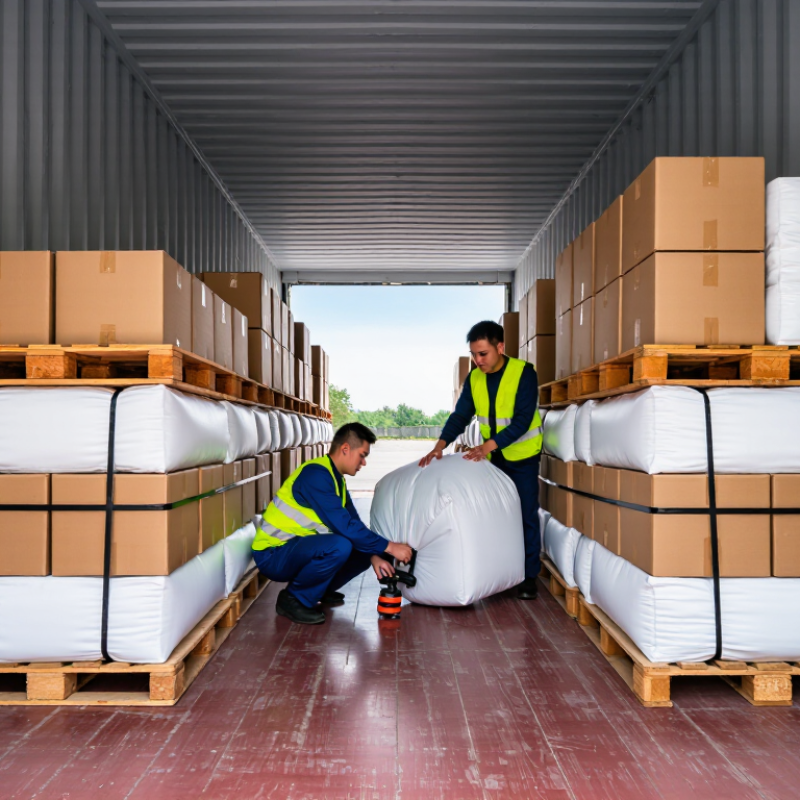
7 Tips for Choosing PP Dunnage Bags for Global Shipping
Understanding PP Dunnage Bags and Their Role in Cargo Protection
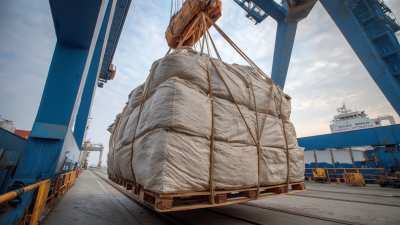
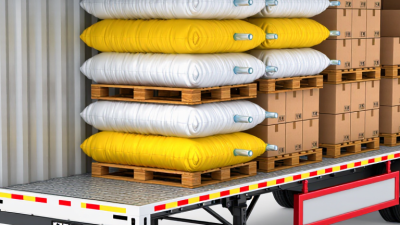
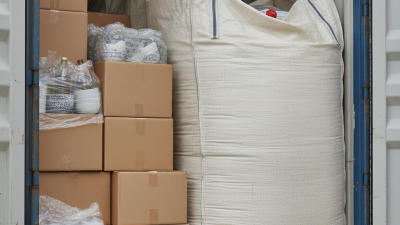
More than 80% of global trade by volume moves by sea, according to UNCTAD’s Review of Maritime Transport 2023. That long journey exposes pallets to vibration, braking, humidity, and sudden lateral movement. PP dunnage bags fill empty space between cargo units. They help stabilize loads without adding significant weight. Tip one: measure the actual gap, not the planned gap. A bag that is too large may over-expand and damage cartons.
Tip two: match the bag’s strength to the cargo weight and restraint level. Tip three: choose a suitable inner liner for moisture-sensitive goods. Tip four: check valve performance before loading. A slow leak can turn a secure pallet into a shifting stack. Tip five: follow the supplier’s inflation pressure and placement instructions. The CTU Code stresses proper cargo securing, but a dunnage bag cannot replace edge protection or adequate blocking. It is only one part of the system.
Tip six: inspect every bag for cuts, weak seams, or contamination. Tip seven: keep batch records and photograph the installed position. The World Bank’s 2023 Logistics Performance Index examined supply-chain reliability across 139 economies, highlighting how delays and handling changes affect cargo movement. In practice, different terminals may handle the same shipment roughly. I sometimes see teams inflate bags too quickly. That saves minutes, perhaps, but it reduces control. Test the fit, recheck after loading, and question any packaging choice that looks convenient rather than secure.
| Tip | Selection Dimension | Practical Data or Benchmark | Why It Matters for Cargo Protection | Recommended Verification |
|---|---|---|---|---|
| 1 | Match the bag to the cargo gap | Select a bag whose stated filling range covers the measured void. As a general operating principle, do not use a bag outside its declared minimum or maximum gap range. | An undersized bag may not contact both load surfaces, while an oversized bag can be difficult to position correctly and may interfere with doors or handling equipment. | Measure the largest and smallest gaps in the packed unit and compare them with the supplier’s technical data sheet. |
| 2 | Choose the correct bag level | Use a bag level suitable for the transport environment, cargo mass, void size, and expected restraint forces. Common market categories include Levels 0–5, but definitions and allowable applications can vary by supplier and standard. | Road, rail, sea, and multimodal shipments can create different vibration, braking, impact, and shifting conditions. | Request test reports and application limits for the intended route instead of relying only on the product level name. |
| 3 | Check rated pressure | Many inflatable dunnage bags are designed for an inflation pressure around 0.2–0.3 bar, equivalent to approximately 2.9–4.4 psi. The exact pressure must follow the bag’s specification. | Correct pressure allows the bag to stabilize the load without overstressing the packaging, cargo, or container panels. | Use a calibrated pressure gauge and confirm that the inflation tool has the correct valve connection and pressure control. |
| 4 | Evaluate construction and material | PP woven outer fabric provides mechanical protection, while the inner liner provides air retention. Compare fabric weight, seam construction, liner material, valve design, and resistance to puncture and abrasion. | The outer layer may contact pallets, cartons, timber, or metal edges during loading and transit. | Review burst, leakage, seam-strength, and puncture-resistance test results under conditions similar to the planned shipment. |
| 5 | Consider humidity and temperature | Global shipments can experience condensation, rain exposure during handling, and temperature changes. Confirm the declared service-temperature range and protect bags from direct contact with sharp or wet surfaces. | Moisture can weaken paper packaging, while temperature and pressure changes can affect air volume and load stability. | Ask for environmental test data and inspect the loading area for water, protruding nails, sharp edges, and damaged pallets. |
| 6 | Verify compliance and safe use | The product should be selected and installed in accordance with applicable cargo-securement rules, carrier instructions, container requirements, and recognized guidance such as the CTU Code or relevant rail and road standards. | A dunnage bag is a void-filling device, not a replacement for proper blocking, bracing, lashing, or load distribution when those controls are required. | Keep certificates, installation instructions, batch information, and shipment-specific securing records for traceability. |
| 7 | Balance handling efficiency and sustainability | Compare deflated size, inflation time, valve compatibility, storage requirements, reuse policy, and disposal route. PP woven bags are lightweight and compact when deflated, but recyclability depends on the complete product design and local facilities. | Fast installation can reduce loading time, while appropriate end-of-life handling can reduce material waste. | Calculate total cost per shipment, including labor, equipment, inspection, return logistics, reuse potential, and disposal. |
Note: Performance values and application limits vary by construction, size, supplier, and transport mode. Always follow the product data sheet and the applicable cargo-securement requirements.