Top Tips for Using Load Securement Airbags Effectively?
Load Securement Airbags play a crucial role in the transportation industry. According to industry expert John Thompson, “The right use of load securement airbags can prevent accidents and save lives.” These innovative devices ensure that cargo remains stable throughout transit. When applied correctly, they provide significant benefits, enhancing vehicle safety and load integrity.
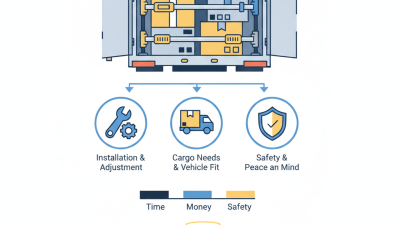
However, many users underestimate their importance. Proper training and understanding are essential. Misapplication can lead to cargo shifting or even loss during transport. The choice of the right size and type of load securement airbags is critical. It’s not merely about installation; it’s about optimizing their effectiveness for different loads.
Despite their advantages, some operators struggle with implementation. Complexities arise when adapting to various cargo types and securing methods. Continuous reflection on practices and seeking expert advice can improve their use. A strategic approach can elevate safety standards and ensure reliability in transport operations. By embracing effective techniques, the industry can maximize the potential of Load Securement Airbags.

Understanding Load Securement Airbags and Their Purpose
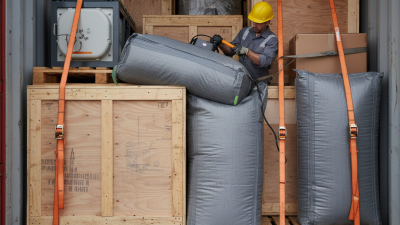
Load securement airbags play a vital role in ensuring loads remain stable during transport. These airbags are designed to fill voids between cargo and secure them in place. According to industry research, proper use of load securement reduces the risk of shifting cargo. Shifting cargo can lead to accidents, property damage, and injury, which emphasize the importance of effective load securement.
Understanding the purpose of load securement airbags helps in their effective application. These airbags create a cushion that absorbs shock and minimizes movement. Studies indicate that using airbags can decrease the likelihood of cargo displacement by up to 30%. This effectiveness is crucial in maintaining the integrity of sensitive cargo, such as fragile materials. However, not all users realize the necessity of proper inflation and placement, which can undermine their effectiveness.
A common mistake is overinflation, which can damage both the airbags and the cargo. Additionally, improper placement might lead to insufficient support. Cargo must be assessed for weight distribution. According to safety reports, load securement practices can improve when drivers receive training on using these airbags effectively. Integrating such training into safety protocols enhances overall transport safety and operational efficiency. Failing to address these details can lead to costly mistakes or serious accidents.
Selecting the Right Type of Load Securement Airbags
Selecting the right type of load securement airbags is crucial for safe transport.
Airbags come in various sizes and configurations, tailored for different types of cargo.
Consider the weight and shape of your load when making your choice.
Each airbag has unique features that can impact its effectiveness.
One important aspect to evaluate is the material of the airbags.
High-quality materials provide better durability during transit. Look for options that are resistant to punctures and wear. Remember, the wrong choice can lead to failures in securement.
When using load securement airbags, ensure proper inflation.
An underinflated airbag won’t perform well. Conversely, overinflation can lead to burst airbags. Finding that balance is key.
Regular checks for wear and tear can prevent unexpected mishaps.
It's always wise to keep safety as a top priority.
Proper Installation Techniques for Load Securement Airbags
Proper installation of load securement airbags is crucial for safe transportation. A precise fit can minimize unexpected shifts during transit. According to the Freight Transportation Research Program, improper load securement leads to 30% of cargo-related accidents. This statistic underscores the importance of adhering to best practices in installation.
When installing load securement airbags, start by identifying the load's weight distribution. Position airbags to align with the heaviest points of the load. This action helps distribute weight evenly and reduces the risk of toppling. Also, consider using a torque wrench to ensure proper compression. Research indicates that under-compression can result in inadequate support and higher chances of load movement.
Attention to detail matters. Check for any signs of wear on the airbags before use. Inspect for cracks or punctures. Regular maintenance is essential to reliability. The National Institute for Transport Safety advocates for proactive inspections. This can enhance the lifespan of securement devices and reduce costly accidents. Ensure every step in the installation process is addressed, as overlooking minor issues may lead to significant complications later on.
Best Practices for Maintaining Load Securement Airbags
Maintaining load securement airbags is crucial for optimal performance. Regular inspections can prevent issues. Check for wear, damage, or air leaks frequently. A small tear can significantly reduce effectiveness. This happens more often than expected, so stay vigilant.
Inflating the airbags correctly is essential. Over-inflation can lead to ruptures. Under-inflation risks load shifts during transport. Follow guidelines for pressure limits. Document pressure levels regularly to build a reliable maintenance history. This data can help identify recurring problems.
Cleaning the airbags helps maintain their integrity. Use mild detergents to remove dirt and debris. Harsh chemicals can degrade the material. Inspect the airbag’s surface for contaminants that could impact performance. Neglecting these details can lead to unexpected failures. Recognizing these issues will enhance reliability in the long run.
Common Mistakes to Avoid When Using Load Securement Airbags
Using load securement airbags can be effective, but common mistakes often undermine their performance. One frequent error is not checking the airbag’s pressure. Insufficient pressure can lead to shifting loads and potential accidents. Always verify that the airbag is fully inflated according to the specifications.
Another mistake is improper placement. If airbags are not positioned correctly, they may fail to provide adequate support. It’s crucial to ensure that they fit snugly between the load and the vehicle. Additionally, neglecting to inspect for wear or damage can lead to catastrophic failures. A visual check before every use is essential to maintain safety and reliability.
Overloading the airbag is also a common pitfall. Each airbag has a weight rating, and exceeding this limit can compromise its effectiveness. It's important to know the weight of the load and ensure it stays within safe limits. Some operators assume a small overload is acceptable, but this can create serious risks. Evaluating the entire load setup can help avoid these critical errors.