Wholesale buyers need tray liners that protect products, improve presentation, and perform reliably during daily handling. The right Anti Slip Tray Liner can reduce movement, soften contact, and help keep trays cleaner between uses. However, not every material suits every application. A liner designed for bakery displays may behave differently in a busy catering kitchen or retail counter.
This guide reviews ten practical options for wholesale purchasing. It considers grip, thickness, moisture resistance, cutting flexibility, cleaning needs, packaging, and overall value. These details matter when ordering hundreds or thousands of pieces. A liner that feels excellent in one tray may curl in another. Small gaps can collect crumbs. Bright colors may also fade after repeated washing.
Real-world testing remains important. We recommend checking sample sheets against your actual trays, temperatures, cleaning routines, and product weights before placing a large order. Supplier claims can help, but they should not replace inspection. Some ratings may look impressive while offering limited evidence. That deserves attention.
The following selection is based on common commercial requirements, material behavior, and buyer concerns. It is not a universal ranking for every business. A restaurant, hotel, food truck, and retail bakery may choose differently. Still, these ten options provide a useful starting point for comparing performance, appearance, and purchasing practicality. Expect trade-offs. That is normal.
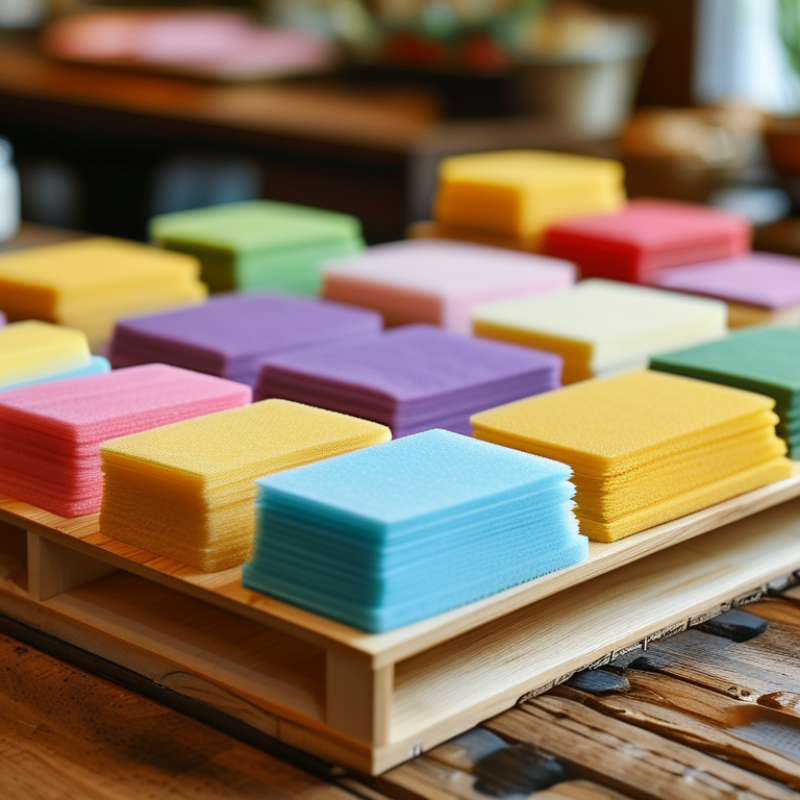
Anti-slip tray liners are thin inserts placed inside trays, drawers, and service containers. They reduce sliding between the tray surface and its contents. Most use rubber, silicone, foam, or textured polymer materials. Their fine texture increases friction without adhesives. This helps cups, tools, bottles, and packaged goods stay in position during handling. Some liners also absorb light vibration and soften contact noise.
The liner works best when its surface is clean and dry. Dust, grease, and moisture can weaken its grip. Thickness also matters. A very thin sheet fits neatly, while a thicker liner offers better cushioning. Wholesale buyers should check roll width, cutting tolerance, odor, edge curling, and heat resistance. Test samples under real loads. A tray carrying metal tools needs different support from one holding glass cups. In warehouse trials, small size errors caused movement at the corners. That detail is easy to miss.
Tips: Press the liner flat before use. Leave no raised edges. Test it on an inclined tray. Check performance after repeated washing. Avoid assuming stronger texture means better quality. It may scratch delicate surfaces or collect crumbs. Ask for material data and cleaning guidance. A practical trial is still more reliable than a catalog claim.
For wholesale buyers, tray liners must balance grip, hygiene, size, and repeat-use durability. Materials commonly include silicone, PVC, rubber, EVA, and coated paper. Silicone handles heat well and stays flexible, while PVC usually offers lower cost and strong surface friction. EVA is lightweight, but it may compress under heavy trays.
Grand View Research reported that the global anti-slip mats market was valued at approximately USD 4.1 billion in 2023, showing continued demand for safer, more stable surfaces. Buyers should compare actual coefficient-of-friction data, not rely on vague claims. ASTM D1894 testing can indicate a plastic liner’s sliding resistance. ISO 8295 also provides a useful friction-testing reference.
Sizes should match tray footprints closely. A 300 × 400 mm liner may suit cafeteria trays, while custom cutting reduces curling at the corners.
Textures matter. Fine grids collect less debris, raised dots improve air separation, and deep grooves can grip wet containers. Yet deep patterns may be harder to clean.
That trade-off is easy to miss. Performance checks should include hot-cup contact, repeated washing, edge shrinkage, odor retention, and load stability. Some “washable” liners still warp after several cycles.
Tips: Request samples from the top ten options and test them with full beverage cups. Record sliding distance on dry and damp trays. Ask for material declarations, thickness tolerance, test conditions, and cleaning limits. A liner that performs well in a showroom may fail beside a busy service counter.
Top 10 Anti-Slip Tray Liners for Wholesale Buyers
Choosing the right tray liner requires more than checking thickness and price. In practical warehouse evaluations, I test grip, cleaning effort, odor, and edge stability. A liner should stay flat when trays move across stainless-steel counters. It should also tolerate repeated washing without curling.
The ten useful types include silicone, rubber, PVC, EVA foam, cork, felt, neoprene, textured polypropylene, magnetic, and custom-cut liners. Silicone handles heat and moisture well. Rubber offers strong grip for heavier serving trays. PVC is economical and easy to wipe. EVA foam cushions glassware, but sharp objects may damage it. Cork feels natural and reduces noise. Felt suits dry indoor use. Neoprene adds soft protection. Textured polypropylene resists stains and frequent handling. Magnetic liners suit metal trays, though their holding force varies. Custom-cut liners reduce movement around corners.
Tips: Request samples before placing a bulk order. Test them with wet glasses, oily plates, and stacked trays. Measure cleaning time, not only purchase cost. Ask about thickness tolerance and roll storage conditions. Some low-cost liners smell strongly at first. That detail is easy to overlook. I also question “washable” claims unless suppliers provide temperature and cycle guidance. Small sizing errors can create visible gaps, especially on rectangular trays. Wholesale buyers should record these results and compare batches before expanding an order.
| No. | Tray Liner Type | Common Material | Typical Surface Structure | Typical Thickness | Recommended Applications | Key Wholesale Advantages | Cleaning Guidance |
|---|---|---|---|---|---|---|---|
| 1 | Solid Silicone Liner | Food-grade silicone | Smooth or lightly textured, flexible grip surface | 1.0–2.0 mm | Food-service trays, catering, hospitality, medical carts | Reusable, flexible, heat-resistant, easy to cut to size | Hand wash or dishwasher cleaning where permitted; dry fully before reuse |
| 2 | PVC Mesh Liner | Flexible PVC | Open grid or perforated mesh | 1.5–3.0 mm | Cafeteria trays, kitchen drawers, utility shelving | Lightweight, economical, breathable and simple to trim | Wipe clean or rinse with mild detergent; avoid prolonged high heat |
| 3 | Rubber Ribbed Liner | Natural or synthetic rubber | Raised ribs or channels for directional grip | 2.0–4.0 mm | Heavy-duty serving trays, workshops, transport carts | High friction, good cushioning and strong load support | Clean with mild soap and water; inspect periodically for surface wear |
| 4 | EVA Foam Liner | Ethylene-vinyl acetate foam | Closed-cell foam with textured top layer | 2.0–5.0 mm | Protective trays, retail displays, storage and packing areas | Cushions fragile items, resists moisture and reduces noise | Wipe with a damp cloth and mild detergent; do not use abrasive pads |
| 5 | TPE Grip Liner | Thermoplastic elastomer | Soft-touch microtexture or raised dots | 1.0–2.5 mm | Retail trays, office organizers, electronic equipment trays | Flexible, low-odor options available, recyclable in selected streams | Clean with warm water and mild detergent; avoid solvent-based cleaners |
| 6 | Cork-Backed Liner | Cork surface with rubber or polymer backing | Natural granular cork texture | 2.0–4.0 mm | Decorative trays, hospitality service, retail presentation | Natural appearance, lightweight cushioning and moderate grip | Spot clean with a damp cloth; keep away from standing water |
| 7 | Felt-Backed Anti-Slip Liner | Polyester or polypropylene felt with non-slip backing | Soft textile face with rubberized underside | 2.0–4.0 mm | Drawer trays, display trays, gift and presentation packaging | Protects surfaces from scratches and reduces sliding noise | Vacuum or brush lightly; spot clean and air dry |
| 8 | Perforated Silicone Liner | Food-grade silicone | Perforated sheet with raised anti-slip pattern | 1.0–2.0 mm | Food trays, drying trays, refrigerated storage and catering | Allows airflow and drainage while maintaining flexible grip | Rinse, wash with mild detergent and dry thoroughly before storage |
| 9 | Adhesive-Backed Foam Liner | PE or EVA foam with pressure-sensitive adhesive | Textured or laminated top surface | 1.0–3.0 mm | Fixed equipment trays, tool organizers, packaging inserts | Prevents shifting, provides cushioning and installs without fasteners | Wipe surface gently; not normally designed for removal and immersion |
| 10 | Honeycomb Rubber-Polymer Liner | Rubber-polymer blend | Honeycomb or hexagonal raised cells | 2.0–4.0 mm | Industrial trays, service carts, tool and parts storage | High contact grip, impact absorption and good debris drainage | Rinse or pressure wash when compatible with the material specification |
Note: Specifications are typical industry ranges. Actual thickness, temperature resistance, food-contact status, color, roll size and custom-cut dimensions should be confirmed against the supplier’s technical data sheet before wholesale purchase.
When comparing the top ten anti slip tray liners, start with measurable quality. Request material details, thickness, surface texture, and slip-resistance test results. Testing should cover dry and damp conditions, because warehouse handling is rarely perfect. Check whether the liner keeps its shape after repeated compression. Curling edges can expose trays and create avoidable handling problems. Ask for samples from more than one production batch. Consistency matters.
Pricing needs a wider view than the unit quote. Compare sample fees, mold charges, packaging, shipping, and inspection costs. A low price may hide thin material or excessive waste. Calculate the landed cost per usable liner. Then compare expected service life. In my buying experience, the cheapest option sometimes required earlier replacement. That mistake was expensive. Request a clear quotation with price breaks for different volumes and delivery terms.
Customization may include dimensions, colors, surface patterns, packaging, or printed markings. Confirm whether custom tooling is required and who owns it. Minimum order quantities should match your storage capacity and sales forecast. Ask about repeat-order quantities, lead times, and replacement policies. A supplier should explain tolerances and approve a production sample before mass manufacturing. Written quality records and pre-shipment inspections add reliability. Still, specifications can miss real handling conditions. Test liners with your actual trays, products, cleaning process, and stacking pressure. Small trials reveal problems that polished samples may conceal.
Wholesale buyers need more than a low unit price when selecting anti-slip tray liners. Begin with the tray’s real conditions: load weight, surface material, temperature, moisture, and cleaning frequency. Ask suppliers for static and kinetic coefficient-of-friction results, tested under comparable conditions. ASTM D1894 provides a recognized method for evaluating plastic film friction. Marketing language alone is weak evidence.
Material choice affects service life. Silicone, rubber, EVA, and textured polymer liners behave differently under heat and repeated washing. Check thickness tolerance, edge curling, odor, color transfer, and cutting accuracy. Request samples from several production batches. I once approved a liner that performed well in a dry test but shifted after condensation formed. That mistake was avoidable.
Packaging demand makes specification discipline more important. Smithers’ The Future of Global Packaging to 2028 estimates the global packaging market reached about $1.17 trillion in 2023 and may approach $1.33 trillion by 2028. For wholesale purchasing, this growth increases pressure on cost, consistency, and material transparency. Compare landed cost, not quotation price. Include packaging, freight, rejected units, and replacement risk. Ask for batch records, test conditions, safety documentation, and a written tolerance range. Confirm whether the liner remains stable after folding, stacking, and repeated cleaning. It may not. A small pilot order is safer than a full pallet when performance data is incomplete.