Why Choose Container Cargo Net for Your Shipping Needs?
In the realm of shipping, securing cargo effectively is paramount. Renowned logistics expert Dr. James Carter once stated, “The right tools are essential for safe transport.” One such tool is the Container Cargo Net. This product plays a vital role in ensuring the safety and integrity of shipments during transit.
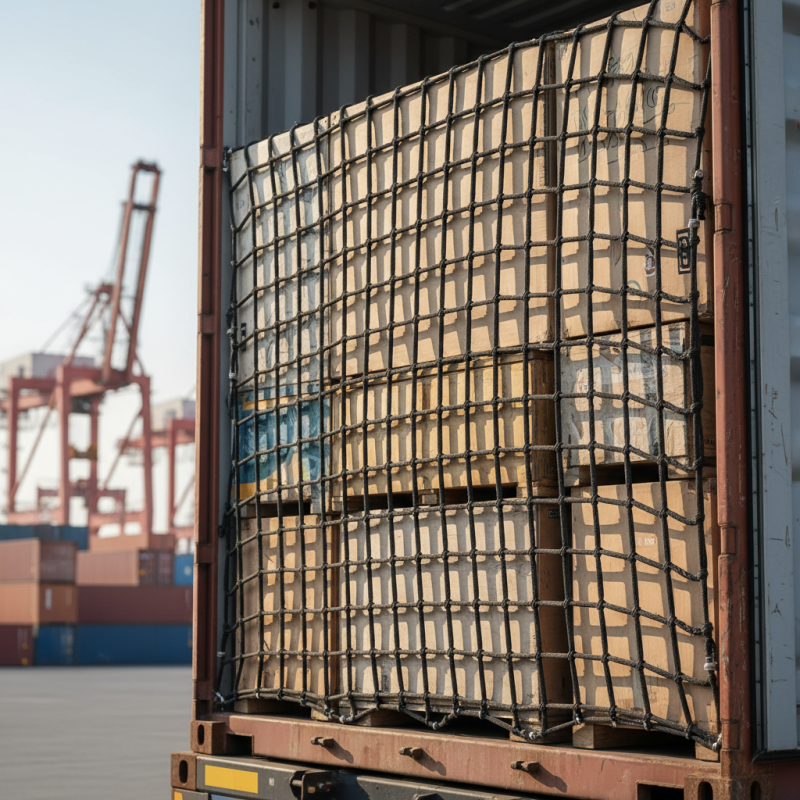
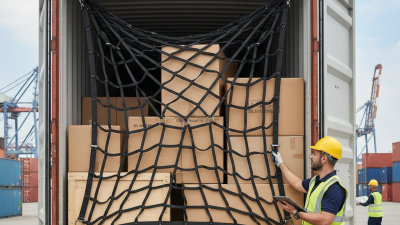
Container Cargo Nets are designed to keep goods in place within shipping containers. They are robust and versatile, adapting to various cargo shapes and sizes. By using a Container Cargo Net, shippers can reduce the risk of damage caused by shifting loads. However, some may overlook their importance, leading to costly losses.
While the advantages are clear, it’s crucial to select the right net. Factors such as material, tensile strength, and sizing must be considered. Ignoring these can compromise safety. In essence, a Container Cargo Net is more than just a tool; it’s an investment in cargo safety and reliability.
Benefits of Using Container Cargo Nets in Shipping Operations
Container cargo nets offer several advantages in shipping operations, improving safety and efficiency. These nets provide a reliable solution for securing cargo during transit. They help prevent shifting or damage, which can lead to costly delays. A well-secured load ensures that goods arrive at their destination intact.
Using container cargo nets is particularly beneficial for irregularly shaped or uneven loads. The flexibility of these nets allows for a custom fit, adapting to various shapes and sizes. This feature helps maximize the use of space within the container, reducing shipping costs. However, it is essential to ensure that the correct net size is used for specific cargo to prevent mishaps.
Employing cargo nets can also enhance loading and unloading efficiency. They simplify the process of securing and releasing loads. Operators can save time, allowing for quicker turnaround times. Nonetheless, it is important to regularly inspect the nets for wear and tear. Ignoring maintenance may lead to failures when it matters most. Prioritizing quality checks ensures cargo remains secure throughout the shipping process.
Key Features of Container Cargo Nets for Secure Transport
When considering your shipping needs, container cargo nets offer crucial benefits. These nets are designed to securely hold goods inside shipping containers or trucks. They prevent items from shifting during transport, reducing potential damage. An effective cargo net allows for better organization of your load, which can lead to increased efficiency.
A quality cargo net features durable materials, such as high-strength nylon or polypropylene. This durability ensures they withstand the rigors of transportation. Look for features like adjustable straps and hooks for a customized fit. These elements enhance the net’s security. A well-fitted net reduces the risk of cargo loss.
Tips: Ensure the cargo net is the appropriate size for your container. Regularly inspect the net for signs of wear and tear. Over time, even sturdy materials can degrade. Consider replacing nets if you notice any fraying. This proactive approach avoids accidents and delays.
When transporting fragile items, use extra padding. A net does not replace the need for careful packaging. Reflecting on previous shipments can help you identify areas for improvement. Maintaining high shipping standards is essential for customer satisfaction.
Why Choose Container Cargo Net for Your Shipping Needs? - Key Features of Container Cargo Nets for Secure Transport
| Feature |
Description |
Benefit |
| Material Strength |
Made from high-density polyethylene (HDPE) |
Durability and resistance to wear and tear |
| Weight Capacity |
Can hold up to 1500 lbs of cargo |
Ensures safe transport of heavy goods |
| Customization |
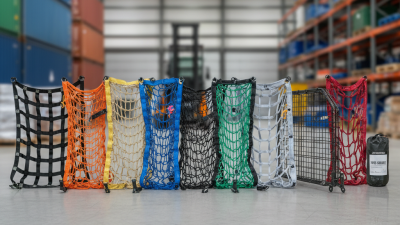
Available in various sizes and configurations |
Allows for optimal fit and cargo stabilization |
| Ease of Use |
Quick to install and remove |
Saves time during loading and unloading |
| Weather Resistance |
UV and water-resistant properties |
Protects cargo from environmental damage |
| Cost-Effectiveness |
Lower maintenance costs compared to traditional tarps |
Reduces overall shipping expenses |
Cost-Effectiveness of Container Cargo Nets in the Shipping Industry
When considering shipping needs, container cargo nets emerge as a cost-effective solution. They provide essential support during transport. By securing cargo tightly, damages due to shifting can be minimized. This reliability is crucial for businesses that rely on timely and intact deliveries.
Using cargo nets can lead to significant savings. Reduced damage means fewer replacements and repairs. These nets are less expensive than more rigid securing methods, making them ideal for companies of all sizes. They are lightweight and easy to handle, enhancing operational efficiency.
Tips: Choose the right net size to fit your container. It ensures optimal security. Regularly inspect nets for wear and tear. Proper maintenance extends their lifespan. Investing in quality nets pays off in the long run. Balance cost and durability for the best outcome.
How to Properly Use and Maintain Container Cargo Nets
Container cargo nets are vital for securing cargo during shipping. Proper usage begins with understanding the net's capacity and dimensions. Ensure the net fits securely over your cargo without excessive slack. Avoid overloading the net, as this can lead to tears or failures.
Regular maintenance of your cargo net is essential for longevity. Check for wear and damage after each use. Look for frayed edges or damaged hooks that may compromise safety. It's important to clean the net periodically. Use mild soap and water, and allow it to air dry completely. Storing the net in a dry, cool place prevents unnecessary wear.
In practice, mistakes can occur. Many may forget to inspect their nets, leading to accidents. It’s crucial to create a routine that includes checking the net before and after every use. Reflecting on past experiences can improve safety protocols. By treating cargo nets with care, you enhance their effectiveness and reliability in transport.
Benefits of Using Container Cargo Nets for Shipping
This bar chart illustrates the key benefits of using container cargo nets for shipping. The data highlights the advantages such as load stability, cost efficiency, damage reduction, ease of use, and versatility, showcasing why container cargo nets are a vital tool in the shipping industry.
Comparing Container Cargo Nets with Other Cargo Securing Methods
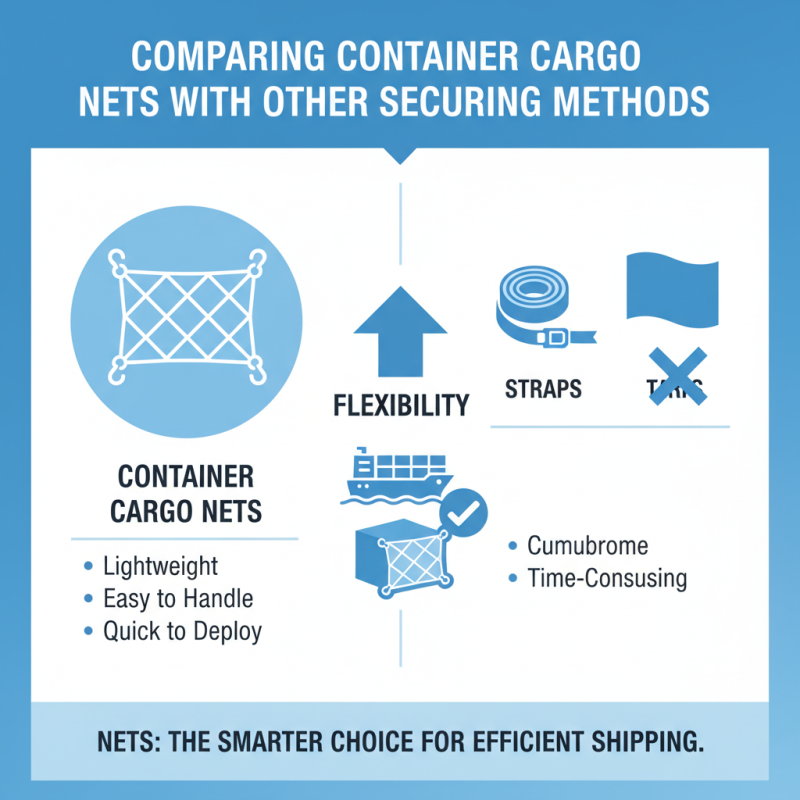
When it comes to securing cargo for shipping, container cargo nets stand out. They offer flexibility that traditional methods may lack. Many companies rely on straps or tarps, but these can be cumbersome. A cargo net is lightweight, easy to handle, and quick to deploy.
Cargo nets provide a snug fit around various shapes and sizes of cargo. This adaptability reduces the risk of movement during transit. Unlike some straps, which can slip or loosen, nets maintain their tension. This quality enhances security and minimizes the chances of cargo damage. While nets seem straightforward, they require regular inspection. Over time, wear and tear can affect their effectiveness.
In contrast, using goods like wood or metal to secure loads has its drawbacks. These materials can be heavy and challenging to adjust. It often takes longer to set up and requires more crew members. Some may argue that the added weight of traditional methods offers extra security. However, it's essential to consider efficiency and ease of use in cargo operations. Relying solely on outdated methods might cause delays. Evaluating the best approach is crucial in today’s fast-paced shipping world.