Inquiry
Form loading...

Top Pallet Edge Protectors for Secure Shipping

Shipping damage often begins at the corners. A pallet’s exposed edges can crush under tight strapping, rub against neighboring loads, or split when cartons shift during transit. Pallet Edge protectors add a firm barrier where pressure tends to concentrate. They can also help keep a stacked load aligned. Small details matter.

For this guide, fictional packaging specialist Elena Ward offers a practical reminder: “Protect the corners before tightening the load.” This is an illustrative quote, not a sourced statement. The principle still points to a useful check: match protector strength and shape to the load, packaging, and handling conditions. A light paperboard profile may suit stable cartons and short routes. Heavier loads, repeated handling, or sharp strap tension may call for sturdier profiles. Measure the pallet and load before choosing. A protector that is too short leaves vulnerable corners exposed; one that is poorly fitted can shift during strapping.

The sections ahead compare common materials, shapes, and selection factors for secure shipping. They also consider how protectors work with stretch wrap and straps, rather than treating them as a complete solution. No edge protector can correct an unstable pallet or careless stacking. That point is easy to overlook. Use the guide to narrow your options, then test the chosen setup with your actual cartons, load weight, and shipping route. A small trial can reveal awkward fit or crushed edges before a full shipment is packed.
Top Pallet Edge Protectors for Secure Shipping

What Pallet Edge Protectors Are and How They Work

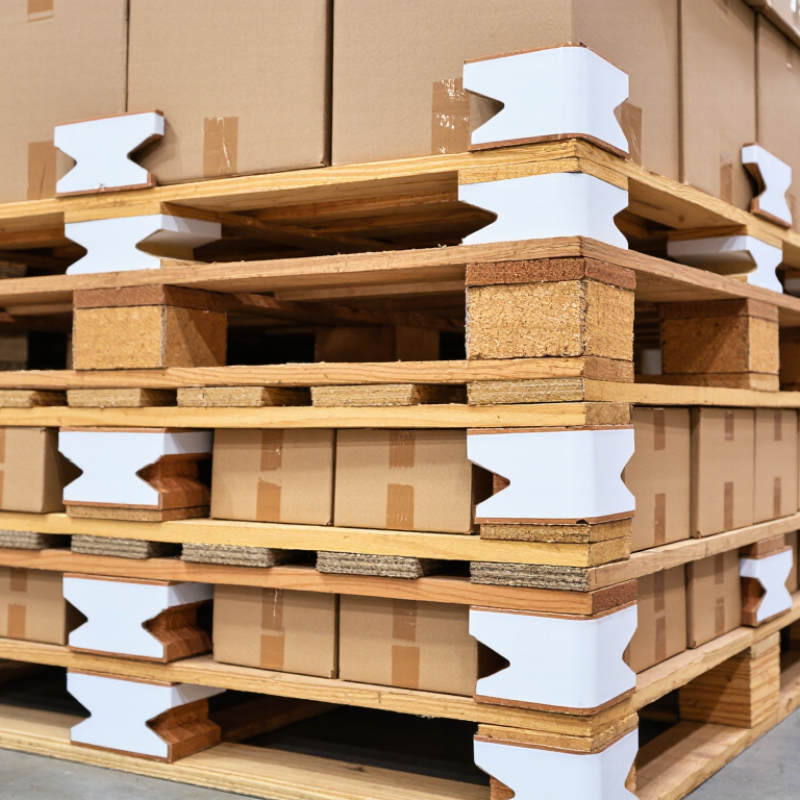
Pallet edge protectors are rigid or semi-rigid strips placed along the exposed corners of a pallet load. They are commonly made from layered paperboard, plastic, or other materials suited to the shipment’s weight and handling conditions. Their main job is to spread pressure from straps across a wider area. Without that support, a tight strap can bite into cartons, crush edges, or loosen as boxes shift.

Placement matters. Protectors should run along the corners where straps contact the load, with enough length to cover vulnerable packages. Some extend from the pallet deck toward the top layer; others also shield horizontal edges. When workers tighten the straps, the protector helps distribute force and keeps sharp strap edges away from cartons. It also gives a more stable surface for stacking and handling. Small details count.

A protector is not a restraint system by itself. The load still needs suitable wrapping, strapping, and a stable stacking pattern. Choose a thickness and profile that match the cargo; a light paperboard strip may not suit dense, heavy boxes. A common oversight is leaving gaps between the protector and the load, which can let cartons buckle under pressure. Check the corners after strapping, especially if the packaging is soft or uneven. One imperfect fit can still cause damage.

Common Materials and Designs for Pallet Edge Protection

Pallet edge protectors commonly use laminated paperboard, molded pulp, plastic, or metal. Paperboard corner boards are light and easy to cut; their rigid L-shaped profiles spread strap pressure across carton edges. Plastic guards tolerate moisture and repeated handling, while metal profiles suit demanding loads but add weight. The choice depends on the shipment, not appearance alone. Fit matters.

Designs range from short corner pieces to full-height boards, with slots or notches that let straps sit securely. A snug board can reduce crushed corners; a loose one may shift during transit. ISTA 3E evaluates unitized loads under conditions including compression, vibration, and shock, offering a useful way to assess the packaged pallet rather than the protector in isolation. Small details count: board length, strap position, and carton strength all affect performance.

Material recovery deserves attention, too. The U.S. EPA’s “Advancing Sustainable Materials Management: 2018 Fact Sheet” reports that 68.2% of paper and paperboard packaging was recycled that year. That figure covers a broad material category, not edge protectors specifically, so local acceptance still needs checking. A practical trial can expose weaknesses. I would not assume a recyclable material will survive wet docks or rough handling without testing.

Top Pallet Edge Protectors for Secure Shipping: Common Materials and Designs

Material or Design Typical Construction Key Protection Benefits Moisture and Handling Considerations Common Applications
Layered paperboard angle Multiple layers of paperboard formed into an L-shaped profile; commonly supplied in cut lengths. Helps protect pallet corners from strap pressure and impact, and can support stable unit loads when used with suitable wrapping or strapping. Can lose strength when exposed to moisture. Dry storage is recommended unless a moisture-resistant treatment is specified. General palletized cartons, appliances, furniture, and other dry freight.
Moisture-resistant paperboard angle Paperboard angle with a coating or treatment intended to improve resistance to humidity or incidental moisture. Provides corner reinforcement similar to standard paperboard while helping retain performance in damp shipping or storage conditions. Resistance varies by treatment; it should not be assumed to be waterproof. Confirm suitability for the expected exposure. Export shipments, refrigerated supply chains, and routes where humidity or brief moisture exposure is a concern.
Plastic angle protector Rigid or semi-rigid profiles, often made from recyclable thermoplastic, in L-shaped or similar sections. Resists crushing and repeated handling; some designs can be reused and are less susceptible to moisture than paperboard. Performance depends on the polymer and profile. Consider temperature, stiffness, and local recycling options. Reusable transport systems, damp environments, and loads that need durable corner protection.
Steel edge protector Formed metal protection, generally used where high resistance to concentrated strap forces is required. Can resist heavy strapping pressure and protect robust loads from edge damage. Heavier than paperboard or plastic; exposed metal may corrode if the finish is unsuitable for the environment. Use care during handling. Heavy, dense, or industrial loads secured with high-tension strapping.
Full-length corner angle Long L-shaped protector running along much or all of a palletized load’s vertical corner. Distributes strap pressure over a longer area and helps keep stacked cartons or panels aligned. Choose a length that suits the load height; longer profiles need adequate support during application and storage. Tall pallet loads, stacked cartons, sheet materials, and unitized products.
U-shaped edge protector Profile designed to cover an exposed edge, with two sides extending around the edge. Protects a broader edge area than a simple angle and can help prevent abrasion or chipping along panels and sheet goods. Fit should match the edge thickness; an unsuitable fit may slip or provide uneven protection. Doors, panels, glass or sheet products when appropriate, and other goods with exposed straight edges.
Corner cap or molded corner protector Preformed piece that covers one or more corners; available in paper-based or plastic constructions. Targets vulnerable corners and can help shield them from knocks, scuffs, and strap contact. Coverage is localized, so it may need to be combined with edge angles or other packaging for long edges. Products with prominent corners, furniture, equipment, and loads with localized impact risks.
Custom-cut or notched protector Protector cut, slotted, or shaped to fit unusual load profiles, openings, or handling requirements. Can improve fit and coverage around irregular shapes or specific vulnerable areas. Custom geometry should be checked for secure placement and adequate contact with the load. Irregular pallet loads, specialized equipment, and products with nonstandard edges or corners.

Selection tip: Match the protector’s material, profile, length, and fit to the load’s weight, edge shape, strapping tension, and expected moisture exposure. Test the complete packaging system under representative shipping conditions.

How Edge Protectors Improve Shipping Safety

Top Pallet Edge Protectors for Secure Shipping

How Edge Protectors Improve Shipping Safety

Pallet edge protectors sit between straps and the load’s corners. They spread strap pressure across a wider area, helping prevent crushed cartons, torn wrap, and sharp strap marks. On a tall pallet of boxed goods, that small barrier can also help keep upper layers aligned when tension shifts during handling. It is not a substitute for sound stacking or securement. Still, it reduces one common point of damage.

The U.S. Bureau of Labor Statistics reported 1,942 fatal work injuries from transportation incidents in 2023. That figure covers many types of work and does not show that edge protectors prevent injuries. It does reinforce the need for careful load handling. Choose guards that match the product’s corner strength and strap width; inspect them for bends or splits before use. Reusable plastic guards may suit repeated trips, while fiberboard versions can be easier to trim. The right choice depends on the load, and sometimes the first choice is wrong.

Tips: Fit protectors snugly at every strap contact point. Keep them level, and replace crushed pieces before dispatch. A quick hand check helps.

How to Choose the Right Pallet Edge Protector

Top Pallet Edge Protectors for Secure Shipping

How to Choose the Right Pallet Edge Protector

Choosing an edge protector starts with the load, not the packaging catalog. Check the pallet’s height, carton arrangement, and strap position. A narrow profile may suit compact boxes, while taller stacks often need longer corner protection. Measure the exposed edges before ordering; a few centimeters can leave the strap pressing directly into a carton.

Consider the material and board strength. Paperboard protectors work well for many dry, standard shipments and are easy to handle. Plastic or composite options may better tolerate moisture or repeated handling, but they are not automatically stronger for every load. Match the protector’s thickness and leg width to the weight and tension of the straps. If straps are tightened hard around a heavy stack, thin corners can crush. Small details matter.

Fit should be checked on a real pallet. Place protectors beneath every vertical strap, then look for gaps, crushed corners, or shifting cartons after the load is secured. For irregular products, protectors may need to cover both vertical corners and horizontal edges. Storage conditions matter, too: damp warehouses can weaken some paper products. I would test a small shipment before changing a regular packing process. It is easy to focus on the protector itself and overlook uneven stacking, which can still cause damage.

How to Apply Edge Protectors to a Pallet Load

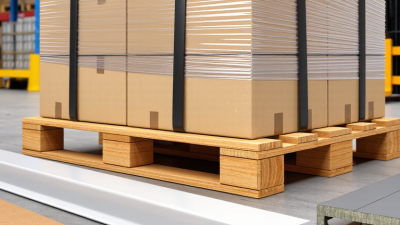
Set the pallet on a level surface and square the cartons before wrapping. Place one rigid edge protector against each vertical corner, extending from the bottom layer to the top. Keep corners square. Add horizontal protectors where straps cross the load, so tension presses against the protector rather than cutting into cartons. Tighten straps evenly; crushed boxes can signal excessive tension. Secure the load with stretch film, while keeping labels visible.

Check that protectors sit flush, without gaps or leaning edges. Uneven corners can shift under vibration, leaving straps loose and cartons exposed. The Bureau of Transportation Statistics’ Freight Facts and Figures 2023 reports that trucks moved about 11.5 billion tons of U.S. freight in 2022. That scale makes consistent pallet preparation worthwhile. For demanding routes, ISTA 3E provides a test procedure for unitized loads, including vibration and shock testing; packaging choices should match the shipment’s handling risks.

Tips: Use protectors long enough to cover the full load height. Keep strap paths centered on the protectors, and inspect the pallet after wrapping. A quick corner check helps, though it cannot replace testing for fragile or unusually heavy loads. I would not assume one protector thickness suits every shipment.