Why Choose Paper Slip Sheets for Efficient Shipping Solutions?
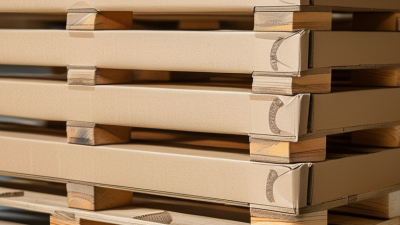
In the rapidly evolving shipping industry, efficiency is paramount. Paper Slip Sheets are becoming a vital solution. Recent studies indicate that companies utilizing Paper Slip Sheets can reduce shipping costs by up to 30%. This statistic highlights the impressive impact these sheets have on logistics operations. As Dr. Emily Carter, a leading expert in packaging solutions, states, "Paper Slip Sheets offer unmatched versatility and sustainability in shipping."
These lightweight materials not only save on transportation costs but also align with eco-friendly practices. They help companies reduce their carbon footprint. Traditional pallet systems can be bulky and heavy, contributing to inefficiencies. In contrast, Paper Slip Sheets are a modern alternative that enhances load stability. Their ease of use allows for quick handling and placement in trailers and containers.
Despite their advantages, businesses must consider challenges when transitioning to Paper Slip Sheets. Training staff and adapting existing processes can be daunting. However, the potential for increased operational efficiency remains significant. Embracing these innovative materials may require some effort, but the rewards could reshape shipping strategies.
Benefits of Using Paper Slip Sheets in Modern Shipping Practices
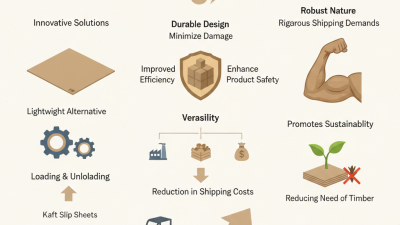
The shift towards sustainable materials is gaining traction in shipping. Paper slip sheets are a prime example of this movement. Unlike traditional wooden pallets, they significantly reduce weight and material usage. Reports indicate that using paper slip sheets can decrease packaging weight by over 40%. This offers considerable savings in transportation costs and fuel usage.
Additionally, paper slip sheets provide remarkable stability during shipping. Their design allows for optimal stacking and weight distribution. This feature minimizes damage to goods in transit. According to the International Journal of Shipping and Transport Logistics, reducing shipment damage can lead to savings of up to 25% in logistics costs. However, transitioning to paper slip sheets may require initial investment and training.
Embracing paper slip sheets also aligns with contemporary environmental goals. Paper, as a renewable resource, generates less waste compared to plastic alternatives. It is important to reflect on the potential challenges, such as sourcing high-quality materials. Companies must ensure that suppliers adhere to sustainability practices. Balancing efficiency with environmental responsibility remains crucial.
Cost-Effectiveness of Paper Slip Sheets Compared to Traditional Pallets
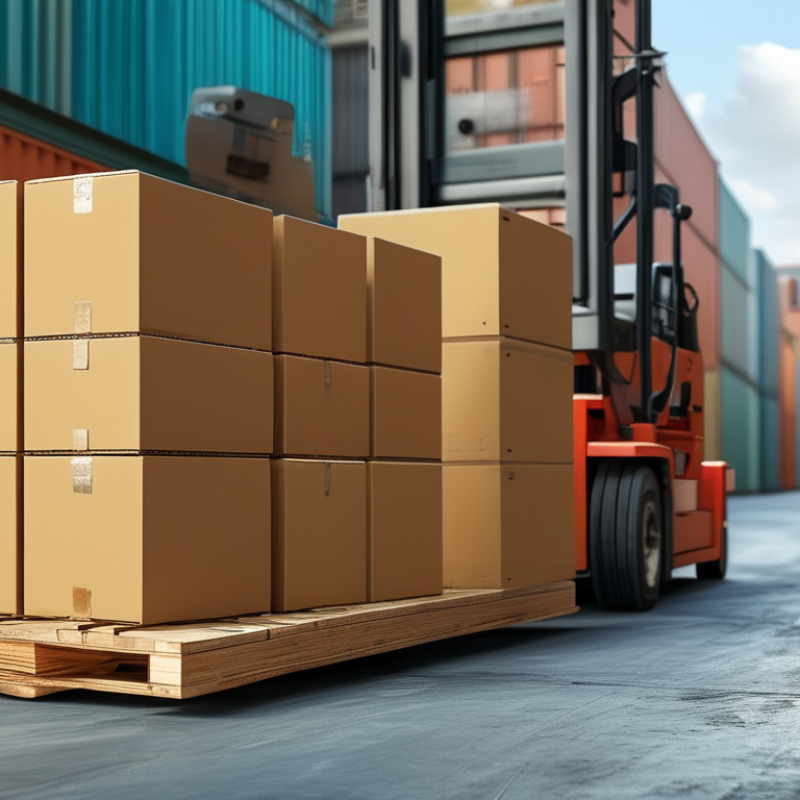
When considering cost-effective shipping solutions, paper slip sheets stand out. They are lightweight, which minimizes shipping costs. Traditional pallets are heavier, requiring more fuel and resources for transport. Paper slip sheets can save businesses significant amounts on shipping expenses, particularly for large volumes.
Tips for using paper slip sheets include ensuring proper stacking. This not only saves space but also prevents damage during transportation. It’s essential to train staff on how to handle these sheets correctly. Improper handling can lead to inefficiencies that could negate cost savings.
Another beneficial aspect is their eco-friendliness. Paper slip sheets are recyclable, reducing landfill waste. However, some businesses worry about durability. In certain high-load situations, paper may not hold up as well as wood. Regular assessments of the shipping process can help identify weaknesses and improve practices.
Environmental Impact: Sustainability of Paper Slip Sheets in Logistics
Paper slip sheets are gaining popularity as a sustainable option for logistics. Unlike traditional pallets, they are thinner and lighter, making them easier to transport. This weight reduction not only conserves fuel during shipping but also contributes to lower carbon emissions.
The production of paper slip sheets primarily involves renewable resources. They can be recycled, reducing waste in landfills. Many businesses are shifting towards materials that are biodegradable. This transition aligns with the growing focus on environmental responsibility in logistics.
Tips for utilizing paper slip sheets effectively:
- Ensure they are compatible with your existing shipping systems.
- Train staff on proper handling to maximize their benefits.
- Regularly assess your methods for efficiency improvements.
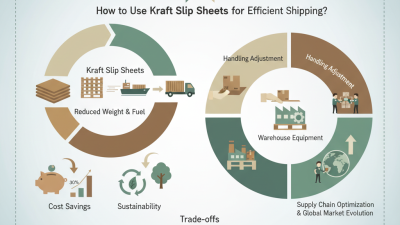
Though the advantages are clear, challenges remain. Not every freight operation can seamlessly incorporate them. The need for adjustment in packaging practices could be a hurdle for some. However, evaluating these concerns is essential for fostering sustainability in the supply chain.
Why Choose Paper Slip Sheets for Efficient Shipping Solutions?
In this chart, we compare the environmental impact measured in CO2 emissions for different shipping solutions. Paper slip sheets show significantly lower emissions per unit compared to traditional plastic and wooden pallets, highlighting their sustainability in logistics.
Efficiency in Space Optimization: How Paper Slip Sheets Maximize Cargo Space
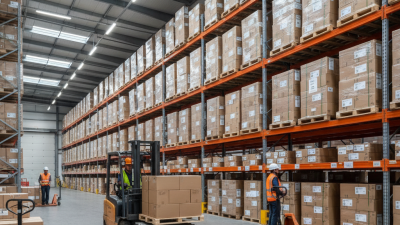
Paper slip sheets are gaining traction in the logistics industry due to their exceptional ability to optimize cargo space. In a world where costs are closely tied to shipping efficiency, maximizing available space is critical. According to a report by the Global Supply Chain Council, the use of slip sheets can increase pallet density by 30%. This means companies save on transportation costs while reducing their carbon footprint.
Their lightweight and thin design significantly enhance stacking capabilities. Unlike traditional pallets, slip sheets require less space, allowing more goods to fit in the same area. Research indicates that businesses can transport up to 20% more items using slip sheets compared to standard pallets. This contributes directly to improving load efficiency. However, the transition to slip sheets isn’t without challenges. Training staff to handle them properly is essential to avoid potential damage during loading and unloading.
Additionally, companies need to ensure compatibility with existing systems. The investment in slip sheets may require reevaluation of current practices, as adjustments will be necessary. Yet, when executed correctly, the benefits of optimized space and cost-effectiveness can far outweigh the initial hurdles. This highlights the importance of careful planning and expert guidance in implementing such solutions.
Industry Statistics: Growth Trends for Paper Slip Sheets in Shipping Solutions
The demand for paper slip sheets is rising in the shipping industry. According to a recent report by Smithers Pira, the global market for slip sheets is projected to grow by 7.5% annually, reaching approximately $5 billion by 2026. This growth reflects an increased focus on sustainable and cost-effective shipping solutions. Companies are increasingly aware of their environmental impact, prompting a shift from traditional pallets to more eco-friendly options like paper slip sheets.
One key advantage of paper slip sheets is their ability to reduce shipping costs. They are lighter than wooden pallets, potentially lowering freight charges. A study from the Association of American Railroads highlights that weight reduction in shipping materials can lead to savings of up to 30%. Businesses adopting paper slip sheets can optimize space utilization, improving load efficiency. However, transitioning to these solutions requires careful training and adaptation, as not all products may be suitable for slip sheets.
Moreover, the transition often involves challenges. Companies must ensure their equipment is compatible with slip sheets. Misalignment during loading can lead to product damage. As the industry grows, firms must invest in technologies and processes that enhance compatibility with these alternatives. Despite these hurdles, the long-term benefits of using paper slip sheets are becoming clear, making them a compelling option for forward-thinking businesses.