What is a Slip Sheet and How Does it Benefit Your Shipping?
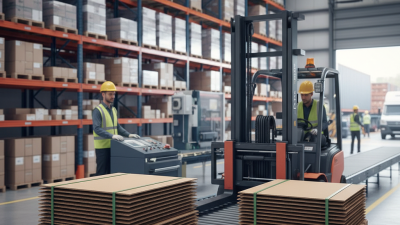
In the fast-paced world of logistics, understanding tools like the "Slip Sheet" can be vital. John Smith, a logistics expert with over 15 years of experience, states, "A Slip Sheet revolutionizes how products are handled and shipped." This simple yet effective tool serves as a flat platform for stacking goods during transportation.
Slip Sheets reduce the need for traditional pallets, which can be bulky and heavy. They are made from materials like cardboard or plastic. This not only saves space but also cuts down on shipping costs. Despite their advantages, some companies hesitate to switch. They worry about training staff or adjusting equipment.
Embracing the Slip Sheet requires a paradigm shift in shipping methods. Companies need to consider the long-term benefits against initial challenges. Each shipping operation is unique, and what works for one may not be suitable for another. This complexity adds to the conversation, highlighting the need for careful evaluation of logistics practices.
What is a Slip Sheet?
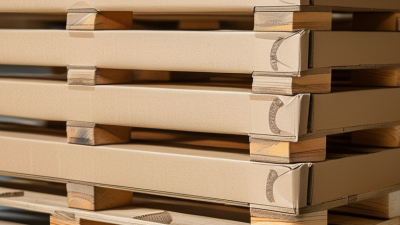
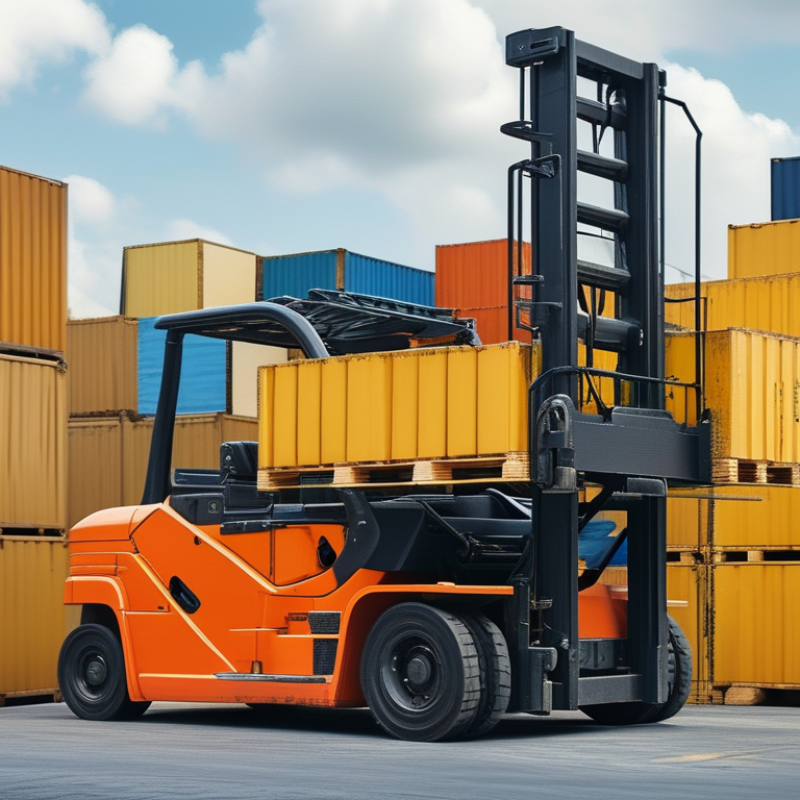
A slip sheet is a thin, flat sheet used to support and transport goods. It serves as a lightweight alternative to pallets. Typically made from cardboard or plastic, slip sheets can be easily handled by forklifts equipped with specialized attachments. This design allows for better space utilization in shipping containers and warehouses.
One significant benefit of slip sheets is their reduced weight compared to traditional pallets. This weight reduction can lead to lower shipping costs. They also save space during transportation and storage. However, using slip sheets requires specialized handling equipment, which can be a barrier for some businesses. Training staff on proper techniques can ensure products are not damaged during the loading and unloading process.
Despite the advantages, relying solely on slip sheets can complicate logistics. Not all products are suitable for slip sheets. Some loads may require the support of pallets for stability. Shippers must evaluate their inventory carefully to determine if slip sheets are a viable solution. Balancing efficiency with practicality is essential for optimal shipping operations.
The Design and Material Composition of Slip Sheets
Slip sheets are essential tools in modern shipping and warehousing. They are thin, flat sheets made from materials like plastic or cardboard. Their design allows for easy loading and unloading without the bulk of traditional pallets. This streamlined shape saves space in transport and storage. When used correctly, they can significantly reduce shipping costs and improve efficiency.
The material composition of slip sheets plays a crucial role in their effectiveness. For instance, plastic slip sheets are durable and moisture-resistant, making them suitable for various environments. Cardboard options may be lighter, yet they can be less sturdy in demanding conditions. It's important to choose the right material based on the specific needs of your products. Evaluating the characteristics of each type can lead to better operational decisions.
Although slip sheets offer many benefits, their performance is not flawless. Companies may struggle with compatibility issues if their forklifts are not equipped for slip sheets. Additionally, transitioning from traditional pallets to slip sheets may require training. Reflecting on these elements before implementation can mitigate potential challenges.
Benefits of Using Slip Sheets in Shipping
Advantages of Using Slip Sheets for Shipping
Slip sheets are increasingly popular in the shipping industry. They offer significant advantages over traditional pallets. A slip sheet is a flat piece of material that supports loads and is easier to handle. They can reduce shipping costs by up to 30% according to industry studies.
Using slip sheets can streamline warehouse operations. They save space because they are thinner than pallets. This allows companies to maximize storage efficiency in limited areas. Research shows that businesses can increase storage capacity by 20% or more when utilizing slip sheets. Additionally, the lighter weight of slip sheets contributes to lower fuel costs during transportation.
Another benefit is their environmental impact. Slip sheets generally use less material than pallets. Consequently, their production involves a smaller carbon footprint. Reports indicate that switching to slip sheets can reduce wood use in shipping by over 50%. This shift not only supports sustainability efforts but also highlights the industry's move towards greener shipping practices. Careful evaluation of slip sheet implementation is essential, as some companies may miss opportunities for improvement by adhering to traditional methods.
Comparison of Slip Sheets and Traditional Pallets
Slip sheets are an innovative alternative to traditional pallets, offering distinct advantages in shipping and logistics. Made of thick paper or plastic, slip sheets are lightweight and more compact than pallets. This feature reduces shipping costs significantly due to lower dimensional weight. In tight warehouse spaces, slip sheets allow for better organization and facilitate more efficient stacking of goods.
Despite their benefits, slip sheets require specialized handling equipment. They may not be as widely recognized in every industry. Traditional pallets, on the other hand, are familiar and versatile, easily used across various warehouses and shipping docks. However, pallets take up more space and may not support smaller products as well as slip sheets do.
It’s crucial to assess your shipping volumes and product types when choosing between these two options. Some businesses successfully integrate both systems, using slip sheets for certain items and pallets for others. This mixed approach can optimize logistics while addressing the unique challenges of different products. While the benefits of slip sheets are evident, their implementation must be carefully considered to ensure efficiency.
What is a Slip Sheet and How Does it Benefit Your Shipping? - Comparison of Slip Sheets and Traditional Pallets
| Feature |
Slip Sheet |
Traditional Pallet |
| Weight |
Lightweight (Approx. 5-10 lbs) |
Heavy (Approx. 30-50 lbs) |
| Space Efficiency |
Higher density stacking |
Lower density stacking |
| Cost |
Generally lower |
Higher due to material costs |
| Stackability |
Excellent in compact spaces |
Standard stacking |
| Durability |
Can be susceptible to moisture |
Very durable and weather-resistant |
| Forklift Compatibility |
Requires specialized equipment |
Standard forklifts compatible |
| Environmental Impact |
More eco-friendly options available |
Wooden pallets can contribute to deforestation |
Best Practices for Implementing Slip Sheets in Logistics
Slip sheets have emerged as a valuable tool in logistics, particularly for companies looking to optimize their shipping processes. These thin sheets allow for efficient palletizing and maximize warehouse space. Implementing slip sheets requires careful planning to align with equipment and process capabilities. Investing in suitable slip sheet handling machinery can facilitate a smooth transition. However, not all products and environments may suit this approach. Consider product weight and fragility before making the switch.
Training staff on proper slip sheet handling is crucial. Employees must understand how to use these tools effectively to avoid damage and ensure efficiency. Regular audits can help identify any issues in the implementation process. It's important to remain open to feedback from the workforce. They often provide insights that can lead to improved practices.
Evaluating the cost-effectiveness of slip sheets is essential. While savings can be significant, the initial investment in machinery and training can be considerable. Monitoring shipping costs and efficiency metrics post-implementation will guide future decisions. Flexibility in adapting to the changing needs of the business is vital for success in logistics.