Inquiry
Form loading...

Top Anti Slip Tray Liner Manufacturers in China

Choosing a dependable Anti Slip Tray Liner manufacturer in China takes more than comparing catalog photos. A liner may look grippy on a screen but slide when a tray is wet, dusty, or tilted. Buyers need evidence that product performance holds up beyond a sample.

Quality management expert W. Edwards Deming said, “Quality is everyone’s responsibility.” His principle applies to this category: material selection, production controls, inspection, and clear communication all shape the finished liner. For buyers, practical checks include surface texture, thickness tolerance, odor, flexibility, and resistance to repeated washing. Ask suppliers how they test grip and whether they can provide consistent specifications across production batches. Small details matter. A curled edge can be frustrating.

This guide introduces Chinese manufacturers of Anti Slip Tray Liner products and explains how to compare their capabilities. It considers product range, customization, quality documentation, export experience, and responsiveness—not just the lowest quoted price. The right supplier depends on the application: a household drawer, a restaurant service tray, and a retail display may need different materials and textures. There is no universal best choice. Even a detailed specification cannot replace a hands-on sample review, and that is easy to underestimate when deadlines are tight. Use the comparisons as a starting point, then verify claims directly with each manufacturer before placing an order.
Top Anti Slip Tray Liner Manufacturers in China

What Anti-Slip Tray Liners Are and How They Work

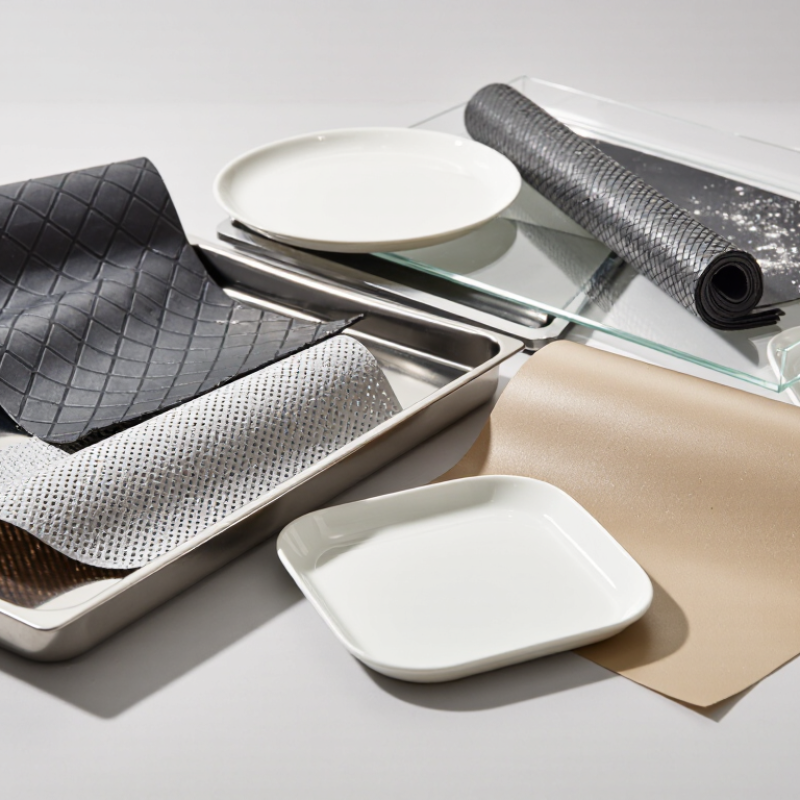
An anti-slip tray liner is a thin, flexible layer placed between a tray and the objects it carries. It is commonly made from textured polymer, foam, or rubber-like material. The surface may have small ribs, dots, or a fine mesh pattern. These details are easy to miss. Yet they matter.

When a tray moves, items tend to keep sliding because of inertia. A liner increases friction at the contact points, helping resist that movement. Its texture can also provide extra grip around a glass base or a stack of plates. It does not lock objects in place. A sharp turn or a wet surface can still cause shifting. Real kitchens are messy.

Performance depends on more than texture. Material softness, thickness, tray finish, and cleaning habits all affect grip. A liner that feels secure under dry cups may behave differently beneath a damp bowl. Check whether the sheet lies flat, trims cleanly, and tolerates repeated washing without curling. Manufacturers adjust pattern depth and material firmness for different tray uses, but no single design suits every setting. Testing it with the actual tray and load is sensible, even if it feels overly cautious.
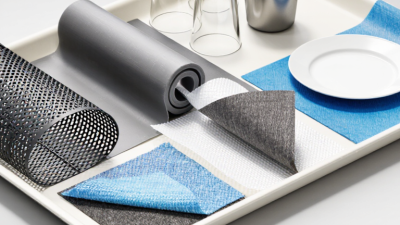
Common Materials and Performance Features of Tray Liners

Common Materials and Performance Features of Tray Liners

Tray liners are commonly made from PVC, silicone, thermoplastic elastomers, or rubber. Each material handles daily use differently. PVC is often flexible and economical, while silicone usually tolerates a wider range of temperatures. TPE can balance flexibility with grip, though its feel varies by formulation. Rubber offers firm traction but may have a noticeable odor when new.

Feel the difference.

Texture matters as much as material. Fine ribs or raised dots help keep cups and cutlery from sliding across a tray. A slightly cushioned surface can soften rattling, but a very soft liner may bunch when loaded. Thickness, tray shape, and surface finish all affect fit. In practical use, test liners with wet glasses and a gently tilted tray, not just dry items on a flat surface.

For manufacturers in China, useful specifications include material composition, thickness tolerance, cleaning guidance, and temperature limits. Ask how performance is checked across production batches. A sample that grips well may behave differently after repeated washing or exposure to kitchen heat. That is easy to overlook. Claims such as “non-slip” need context: no liner can prevent movement under every load or on every surface. A clear product description should explain the conditions tested and the care needed to preserve grip.

How to Evaluate Anti-Slip Tray Liner Manufacturers in China

Evaluating anti-slip tray liner manufacturers in China starts with material transparency. Ask whether the liner uses PVC, TPE, or another polymer, and request a current technical data sheet. Check thickness, weight, dimensional tolerance, and the stated temperature range. A glossy sample can look convincing; it may still slip when wet. Request friction-test results and the test conditions, including surface type, load, and dry or wet state. A result without those details is hard to compare. Test samples on your actual tray, then repeat after washing and heat exposure.

Check how the factory controls consistency between batches. Ask for inspection records, defect limits, and a clear process for handling nonconforming goods. Confirm that production samples match the material and finish approved for the order. The OECD’s Global Plastics Outlook reports that 353 million tonnes of plastic waste were generated worldwide in 2019, with only 9% recycled. This figure is not specific to tray liners, but it makes material traceability and end-of-life claims worth verifying. Ask for evidence behind recyclability statements. Factory audits and written test procedures help, though they cannot replace independent checks on your own use conditions. A small pilot order is useful. It can still miss problems that emerge after months of use.

Leading Anti-Slip Tray Liner Manufacturers in China

Leading Anti-Slip Tray Liner Manufacturers in China stand out through controlled production, not polished catalogs alone. The National Bureau of Statistics of China reported that manufacturing value added rose 5.0% in 2023. This broad indicator shows industrial momentum, but it does not measure tray-liner output or quality. Buyers should verify a supplier’s actual production capacity with recent inspection records and sample runs.

For a practical comparison, request liners in the intended material, thickness, and roll width. Check whether the textured surface grips a tray without snagging dishes, and test it with dry and lightly damp hands. Small details matter. Ask for thickness tolerances, odor checks, batch traceability, and written test methods for slip resistance. A supplier that explains test conditions is easier to assess than one offering a single impressive figure.

Factory visits or live production videos can reveal cutting accuracy, edge finish, and packaging consistency. Samples should be tested on the buyer’s own tray; a smooth display counter can hide movement on a curved or dusty surface. One caveat: some manufacturers may not share comparable friction data, so direct comparisons can be imperfect. Requesting repeat samples from different batches helps expose that gap.

Product Applications, Customization, and Quality Standards

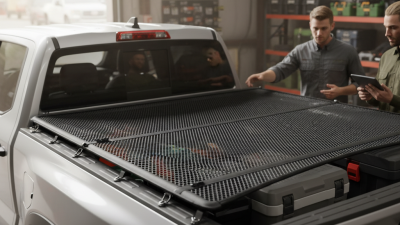
Anti-slip tray liners from Chinese manufacturers are used in kitchen drawers, serving trays, workstations, and vehicle storage compartments. Their textured surfaces help reduce movement, while cut-to-fit sheets suit shelves with unusual dimensions. In hospitality settings, washable liners can simplify routine cleanup. They are not a substitute for secure storage; heavy or fragile items still need careful handling.

Customization may include roll width, sheet size, thickness, color, edge finish, and perforation pattern. Buyers should share tray dimensions, expected load, cleaning routine, and temperature range before requesting samples. A small sample can reveal curling, odor, grip, and trimming behavior. Quality checks should match the intended use. Ask for material specifications, dimensional tolerances, batch inspection records, and slip-resistance test methods. “Non-slip” can mean different things across suppliers, so request results under stated conditions. Lab results may not reflect a greasy or wet tray.

Tips: Test samples on the actual tray, including after cleaning. Compare several batches when consistency matters. Keep one approved sample for later checks; small differences can be easy to miss.