Choosing the right Slip Sheet supplier can influence loading speed, cargo stability, warehouse safety, and total freight cost. Global buyers need more than a low unit price. They need predictable dimensions, strong fiber performance, dependable delivery, and responsive technical support.
Packaging engineer Michael R. Jones notes, “A Slip Sheet succeeds only when its material, load, and handling system work together.” This practical view matters. A heavy palletized load may require reinforced kraft board, while lighter cartons can use a simpler grade. Push-pull equipment must also match the sheet’s lip design. Small differences can create large delays.
This guide reviews ten Slip Sheet suppliers serving international buyers. It considers product quality, customization, production capacity, export experience, certifications, and communication standards. Moisture resistance receives attention, especially for humid ports and long ocean routes. Sustainability also matters, but claims should be checked against documents and measurable data.
Some supplier information changes quickly. That is easy to overlook. Prices, lead times, and regional availability may vary by destination. Buyers should request samples, confirm technical specifications, and run a controlled loading trial before placing a large order. A supplier may look impressive online yet struggle with consistent thickness or late documentation.
The following selection is not a perfect ranking. It is a practical starting point for better comparison. Each company should be evaluated against the buyer’s cargo, equipment, warehouse conditions, and shipping lanes. In real operations, fit matters more than marketing language.
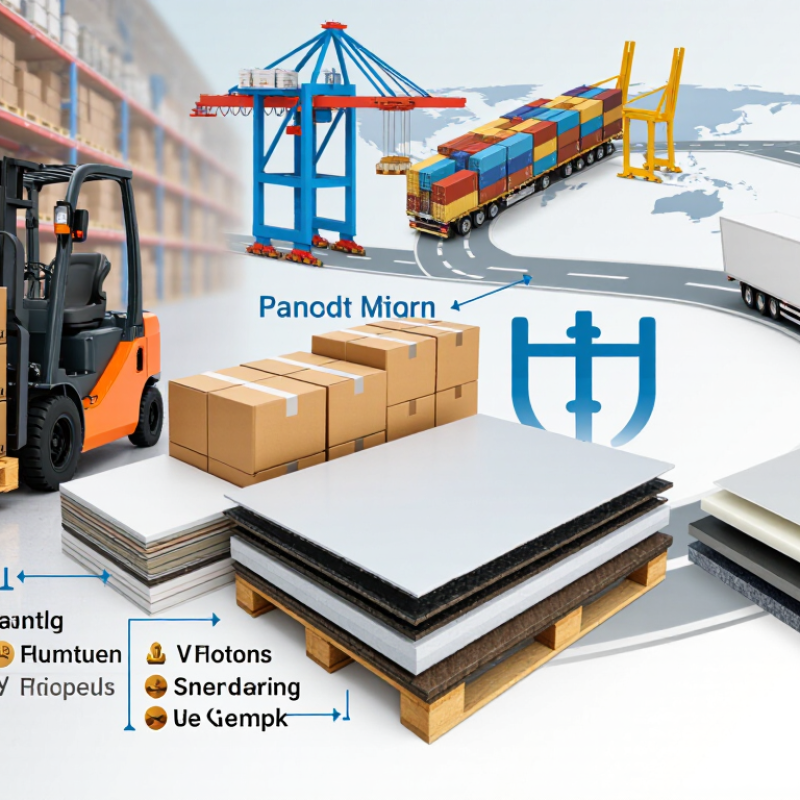
A slip sheet is a thin platform placed beneath palletized goods. It usually uses kraft paper, laminated paper, or plastic. A powered push-pull attachment moves the sheet instead of lifting a wooden pallet. This saves space inside containers and warehouses. A typical sheet measures about 1,000 by 1,200 millimeters, matching common export loads.
The commercial case is substantial. A 2024 global pallet-market analysis estimated annual market value above US$90 billion, reflecting continued demand for efficient unit loads. Slip sheets can reduce tare weight and create more usable container volume. In some operations, they also lower return-pallet handling. Small gains matter. However, results depend on load weight, friction, humidity, and equipment settings. A weak sheet can curl under a heavy carton.
Global buyers should request compression, edge-crush, and moisture-resistance data. They should also confirm compatibility with push-pull equipment and warehouse floors. Testing can follow recognized pallet-performance methods, including ISO 8611 principles where applicable. The calculation is never perfect. A lower unit price may hide higher damage rates. Before ordering, buyers should run a controlled trial with real cartons, real stacking height, and the longest planned shipping route. That practical evidence is more reliable than a supplier’s sales sheet.
Global buyers should evaluate slip sheet suppliers through measurable performance, not catalog claims. Request caliper, basis weight, moisture content, and edge-crush results for every specification. ISO 18604:2013 provides a useful reference for assessing packaging recyclability. However, recyclability alone does not prove handling quality. A reliable supplier should also provide batch numbers, inspection records, and documented change control.
Test the slip sheet with your actual load. Check pull tabs, surface friction, fork alignment, and stacking stability. ISO 8611 offers recognized methods for testing loaded pallet performance, although slip sheets are not pallets. The 2023 World Bank Logistics Performance Index shows that shipment quality depends heavily on reliability and timeliness. This matters when a weak sheet causes rework, delays, or damaged cartons. A small warehouse trial may reveal more than a polished factory presentation. My own caution: a heavier sheet is not automatically safer. Excess material can increase costs without improving grip.
Tips: Ask for five recent production samples. Measure them independently. Test at expected humidity and temperature. Review failure photos, not only pass certificates. Suppliers quoting a fixed strength value without test conditions deserve closer questions. Also compare sourcing data with the 2024 Smithers paper packaging market outlook, which highlights continuing demand for recyclable fiber-based formats. Market growth sounds positive, but it does not replace product-level evidence. Trial results should guide the final decision.
Comparative supplier evaluation based on material options, technical specifications, export capability, quality controls, and purchasing terms. Supplier identities are anonymized.
| Rank | Anonymized Supplier | Primary Supply Region | Slip Sheet Material | Typical Thickness | Typical Load Capacity | Quality & Compliance Evidence | Indicative MOQ | Typical Lead Time | Evaluation Score |
|---|---|---|---|---|---|---|---|---|---|
| 1 | Supplier A | East Asia | Coated kraft paper and virgin-fiber paperboard | 0.6–1.2 mm | 1,000–2,500 kg | Batch inspection, moisture testing, edge-strength checks, recyclable paper options | 5,000 sheets | 15–25 days | 9.4/10 |
| 2 | Supplier B | Western Europe | Recycled kraft paper and laminated paperboard | 0.7–1.5 mm | 800–2,000 kg | Recycled-content documentation, dimensional controls, documented corrective-action process | 3,000 sheets | 20–35 days | 9.2/10 |
| 3 | Supplier C | North America | High-strength kraft paper and plastic slip sheets | 0.5–1.0 mm | 1,200–3,000 kg | Load testing, coefficient-of-friction checks, custom dimensions, export packaging controls | 2,500 sheets | 10–20 days | 9.0/10 |
| 4 | Supplier D | South Asia | Recycled paperboard and mixed-fiber kraft paper | 0.8–1.6 mm | 700–1,800 kg | Moisture control, compression testing, pre-shipment inspection available | 5,000 sheets | 25–40 days | 8.8/10 |
| 5 | Supplier E | Southeast Asia | Virgin kraft paper and water-resistant paperboard | 0.6–1.4 mm | 900–2,200 kg | Humidity-resistant grades, dimensional inspection, pallet-load simulation | 4,000 sheets | 18–30 days | 8.6/10 |
| 6 | Supplier F | Eastern Europe | Recycled kraft paper and solid-fiber board | 0.8–1.8 mm | 700–1,700 kg | Fiber-content records, thickness tolerance checks, recyclable packaging program | 3,500 sheets | 20–35 days | 8.4/10 |
| 7 | Supplier G | Middle East | Kraft paper and plastic-coated paperboard | 0.7–1.5 mm | 800–2,000 kg | Heat and humidity suitability, visual inspection, export-document support | 5,000 sheets | 25–45 days | 8.2/10 |
| 8 | Supplier H | Latin America | Recycled kraft paper and laminated board | 0.9–1.6 mm | 700–1,600 kg | Recycled-material options, compression checks, regional delivery flexibility | 2,500 sheets | 15–30 days | 8.0/10 |
| 9 | Supplier I | South Africa | Recycled paperboard and heavy-duty kraft paper | 0.8–1.7 mm | 650–1,500 kg | Moisture checks, edge-quality inspection, custom-size production capability | 3,000 sheets | 25–40 days | 7.8/10 |
| 10 | Supplier J | Oceania | Virgin kraft paper and reusable plastic grades | 0.6–1.3 mm | 900–2,100 kg | Reusable-material options, load verification, small-batch sampling support | 1,500 sheets | 20–35 days | 7.6/10 |
International buyers need more than a low price when selecting slip sheet suppliers. The ten leading suppliers usually provide consistent sheet thickness, accurate dimensions, and stable fiber strength. These details matter when loads travel through ports, warehouses, and changing climates. A practical supplier should explain its material grades clearly. It should also provide samples before contract approval.
In cross-border purchasing, I have found that small testing steps prevent expensive handling problems. Ask suppliers for compression data, moisture resistance results, and pallet-free loading guidance. Check whether their sheets fit your push-pull equipment. Confirm production capacity during peak seasons. A supplier may offer excellent samples but struggle with large orders. That gap deserves attention.
Communication is equally important. Reliable suppliers respond with clear drawings, packing details, and shipment schedules. They should identify recycled content and applicable quality standards without vague claims. Factory audits, traceable inspection records, and export experience add confidence. Still, no supplier is perfect. I once treated a fast quotation as a sign of efficiency, but the technical response was incomplete. That judgment needed correction. International buyers should compare ten leading options using the same checklist. Review pricing, lead time, testing, packaging, and after-sales support together. Practical performance often matters more than impressive sales language.
The best slip sheet suppliers offer several material choices, including kraft paper, laminated paper, and durable plastic. Paper sheets suit one-way shipments and lower-weight cartons. Plastic performs better in damp warehouses or repeated handling. Ask for load data, surface friction, and edge strength before comparing quotes. A sheet that feels strong may still bend under a concentrated pallet load.
Sizes should match your pallets, fork attachments, and container plans. Common formats include standard pallet dimensions, half-pallet sheets, and custom widths. Reliable suppliers confirm tolerances, tab placement, and print requirements in writing. Small errors matter. A five-millimeter mismatch can create loading delays. Request samples with your actual cartons, not empty test boxes.
Prices usually depend on material, thickness, order volume, tooling, and delivery distance. The cheapest offer may exclude packaging, testing, or replacement sheets. Compare the landed cost per shipment, not only the unit price. Custom options may include moisture resistance, anti-slip coatings, reinforced tabs, and recycled content. I would not treat recycled material as automatically weaker, but its performance needs verification. One practical test uses a loaded unit, a warehouse transfer, and a short vibration trial. Suppliers that provide traceable specifications, production samples, and consistent inspection records deserve stronger consideration. Some comparisons remain imperfect because freight rates and seasonal capacity change quickly.
10 Best Slip Sheet Suppliers for Global Buyers
How to Select and Order the Right Global Slip Sheet Supplier
Choosing a slip sheet supplier requires more than comparing quoted prices. Review material strength, sheet thickness, coating, dimensions, and compatibility with your loading equipment. A practical supplier should provide test data, production samples, and clear tolerances. Ask how sheets perform under humidity, cold storage, and repeated handling. These details matter when cargo travels across several climates.
Tips: Request a sample before placing a large order. Test it with your actual pallet loads and forklift attachments. Confirm minimum order quantities, production lead times, packaging, and replacement procedures. Ask for recent quality records. A polished brochure is not proof of consistent production.
Ordering becomes safer when specifications are written in one document. Include load weight, product shape, container type, monthly volume, delivery port, and required documents. Compare payment terms and shipping responsibilities carefully. I have seen buyers focus on unit cost and overlook port handling charges. That mistake can erase the expected savings. Check whether the supplier can scale during seasonal demand without changing materials. No checklist is perfect. Keep a small trial order, record the results, and revise your specification before expanding globally.
When selecting a global slip sheet supplier, specify the exact pallet footprint before requesting a quotation. The chart compares three widely used footprint references: Euro pallets at 1200 × 800 mm, ISO pallets at 1200 × 1000 mm, and the North American 48 × 40 inch format at 1219 × 1016 mm. Confirm the required sheet length, width, load capacity, coating, and tab configuration with the supplier before ordering.