What Are the Top Types of Container Cargo Nets?
Container shipping depends on disciplined cargo control, not simply strong ropes or thick webbing. UNCTAD’s Review of Maritime Transport 2024 confirms that maritime transport carries over 80% of global merchandise trade by volume. Every secured load therefore matters, from palletized cartons in a dry container to machinery with uneven weight distribution. A properly selected Container Cargo Net can reduce shifting, protect packaging, and support safer handling during road, rail, and sea transport.
The most common categories include webbing cargo nets, rope cargo nets, adjustable lashing nets, ratchet cargo nets, and heavy-duty nets for industrial loads. Each type serves a different practical need. Webbing nets offer broad contact across cartons and drums. Rope nets can adapt around irregular shapes. Ratchet systems provide faster tension adjustment, but their fittings require careful inspection. The International Maritime Organization’s CTU Code emphasizes correct packing, securing, load distribution, and equipment suitability. A net alone cannot correct poor stowage.
Industry evidence also highlights the consequences of weak control. The World Shipping Council reported 221 containers lost at sea in 2023, among roughly 250 million transported annually. The percentage is small, but the operational impact can be serious. That figure does not prove cargo nets prevent every incident. It does show why selection and inspection deserve attention. In practice, examine stitching, hooks, edge protection, working load limits, and container anchor points before use. Labels can mislead. Real performance depends on tension, friction, moisture, and repeated handling. The “top” net is not universal; it is the one matched to the cargo, route, and securing plan.
Container Cargo Nets: Purpose, Structure, and Main Applications
What Are the Top Types of Container Cargo Nets?
Container cargo nets help restrain goods during lifting, transport, and temporary storage. Their structure usually includes webbing, rope, mesh, edge lines, and reinforced connection points.
Flat webbing nets suit cartons, pallets, and machinery with stable surfaces.
Rope nets offer flexible coverage for irregular loads.
Mesh nets are useful when airflow matters, such as with bagged materials or lightweight equipment.
The net must match the cargo’s weight, shape, and loading method. Wide webbing spreads pressure across boxes and reduces sharp contact points. Smaller mesh openings help contain loose items, while larger openings can improve visibility and ventilation. Heavy-duty lifting nets may include rated shackles or corner fittings. These parts need careful inspection, not casual checking.
Small details matter.
From practical handling experience, damaged stitching often appears before visible webbing failure. Frayed edges, stretched knots, corrosion, and missing labels require attention. A qualified person should verify the working load limit and connection method.
The container floor, lashing points, and cargo centre of gravity also affect performance. A net cannot correct poor weight distribution. I have seen secure-looking loads shift because the net was selected by size alone. That mistake deserves reflection.
Good procedures should include pre-use checks, suitable padding around sharp edges, and records of inspection. Conditions may change during transit, so one inspection may not be enough.
Flat Cargo Nets for Securing General Container Loads
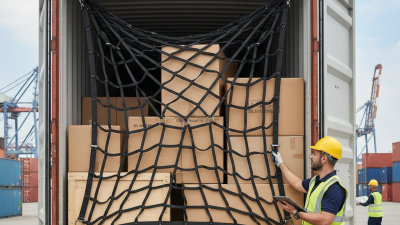
Flat cargo nets are practical tools for securing general container loads, especially cartons, bags, light machinery, and mixed palletized goods. Their broad surface spreads restraint across the load instead of pressing on one small point. This helps reduce shifting during vessel movement, road vibration, and sudden braking. A properly fitted net should cover the load evenly, with no loose corners or twisted webbing.
The container floor, wall strength, and cargo shape must be checked before installation. Use suitable anchor points and follow the net’s rated capacity. Edge protectors can prevent sharp carton corners from cutting the webbing. Leave no large gaps beneath the net. Small gaps can become serious movement during transit. The load may look stable at the doorway, yet settle after several hours.
Experienced teams inspect stitching, hooks, buckles, and abrasion marks before every use. They also retighten the net after initial loading, because pallets can compress under pressure. I once underestimated how much a soft package could settle. That small oversight created slack near one corner. Flat nets are not a replacement for blocking, bracing, or correct weight distribution. They work best as part of a complete securing plan, adjusted to the cargo’s size, weight, and center of gravity. Lower-quality assumptions fail quickly.
Vertical Retaining Nets for Open-Top and Side-Loaded Containers
What Are the Top Types of Container Cargo Nets?
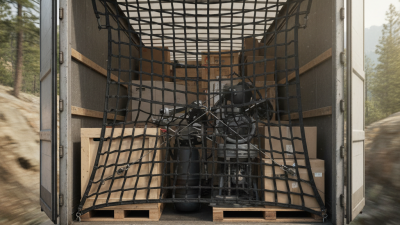
Vertical retaining nets are designed for open-top and side-loaded containers. They hold cargo against movement through the exposed opening. This makes them useful for timber, machinery, pipes, bagged materials, and irregular loads.
A vertical net should connect to rated anchor points, not sharp edges or improvised hooks. Its mesh must match the cargo size. Small mesh helps contain loose items, while reinforced webbing suits heavier loads. Inspectors should check stitching, abrasion, UV damage, and label readability before every use. It is a practical detail, but often missed.
UNCTAD’s Review of Maritime Transport 2024 reported about 12.3 billion tonnes of seaborne trade in 2023. That volume shows why consistent cargo securing matters. The World Shipping Council recorded 221 containers lost at sea in 2023, below 0.001% of containers transported. The percentage is small. The consequences can be serious.
For open-top containers, the net should sit vertically across the cargo face and remain tensioned during handling. For side-loaded units, it can limit lateral movement while equipment enters from the end or side. A net does not replace blocking, bracing, or a documented securing plan. This is where judgment matters. A visibly tight net may still allow heavy cargo to slide beneath it. Operators should follow the applicable Cargo Securing Manual, CTU Code guidance, and manufacturer load limits. Field experience also suggests a second inspection after the first handling movement. Small shifts reveal weak points.
Heavy-Duty Nets for Machinery, Vehicles, and Oversized Cargo
What Are the Top Types of Container Cargo Nets?
Heavy-duty cargo nets must match the load, container, and securing method.
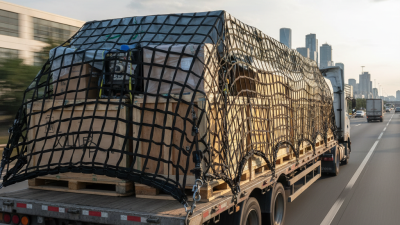
Webbing nets suit machinery, generators, and vehicles with painted or delicate surfaces. Their broad straps distribute pressure and reduce abrasion. Wire-rope nets provide higher resistance against sharp edges and concentrated loads. Chain nets work well for tracked equipment, steel parts, and unusually heavy cargo. However, chain can damage painted surfaces without protective sleeves.
The World Shipping Council reported 221 containers lost at sea in 2023, compared with 661 in 2022. That figure shows progress, but it also confirms that cargo restraint still needs careful attention. A net should not replace blocking, bracing, or rated lashing points. Check the safe working load, mesh size, edge protection, and attachment hardware. ISO 1496-1 container requirements and the IMO Code of Safe Practice for Cargo Stowage and Securing provide useful technical references. Yet real cargo rarely behaves perfectly. A wet vehicle, uneven axle weight, or shifting center of gravity can expose weaknesses that paperwork misses.
Tips:
Measure the cargo before choosing the net. Keep the net clear of exhausts, wheels, and cutting edges. Use tension evenly across all sides. Inspect webbing for cuts, heat damage, and crushed stitching. For oversized machinery, a competent cargo surveyor should verify the securing plan. Do not rely on visual tightness alone. A loose-looking strap may still be correctly tensioned, while an over-tightened one can damage the load. Record inspections with photographs and measured tension where practical.
Specialized Cargo Nets for Palletized and Flexible Loads
What Are the Top Types of Container Cargo Nets?
Specialized Cargo Nets for Palletized and Flexible Loads
Container cargo nets are selected according to the load’s shape, weight, and movement risk. Palletized goods usually need a strong webbing net with adjustable edges. It covers stacked cartons without crushing the top layer. Hooks or attachment loops should connect evenly to approved anchor points. Fit matters.
For flexible loads, such as sacks, bundled textiles, or irregular packages, a tighter mesh can reduce shifting. Adjustable cargo nets are useful when pallet heights change between shipments. Smaller openings help contain loose sections, while reinforced corners handle repeated tension. A practical inspection should check frayed webbing, bent hooks, and stretched seams before loading.
Experience shows that operators sometimes choose a net by size alone. That assumption can fail. A large net may leave slack around a short pallet, creating movement during handling. Conversely, a tight net may press against fragile packaging. Measure twice. The net should sit firmly without cutting into the cargo.
Different container cargo nets serve different purposes. Flat pallet nets suit uniform loads, while adjustable nets support mixed pallet heights. Flexible load nets offer wider coverage for soft or uneven cargo. Always compare the net’s rated capacity with the actual load and follow documented handling procedures. Small details matter, especially when the load contains several layers or has an uneven center of gravity.
What Are the Top Types of Container Cargo Nets?
Reference footprint areas for cargo nets designed for common palletized and flexible loads.
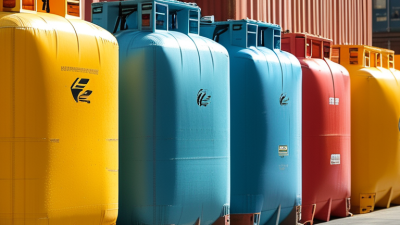
Pallet restraint nets are sized around established pallet footprints: the Euro-size pallet is 1,200 × 800 mm, the ISO pallet is 1,200 × 1,000 mm, and the North American pallet footprint is 48 × 40 inches. Flexible-load and FIBC nets do not have one universal footprint, so their dimensions are selected according to the bag or load configuration. Actual net selection must also consider rated capacity, attachment points, mesh design, and applicable cargo-securing requirements.