Inquiry
Form loading...

7 Best Slip Sheet Suppliers for Global Buyers?

Choosing the right Slip Sheet supplier can affect loading speed, product safety, and international shipping costs. For global buyers, the decision involves more than comparing unit prices. Material strength, board thickness, tab design, coating options, and production consistency all deserve close attention.

A reliable supplier should understand real warehouse conditions. Consider a pallet-free shipment with 1,000 kilograms of boxed goods, exposed to humidity during port handling. The sheet must support pushing, pulling, stacking, and forklift or push-pull attachment use without tearing. Experienced manufacturers can recommend kraft paper, plastic, or composite solutions based on load weight and destination conditions. They should also provide samples, technical specifications, quality records, and clear export communication.

No supplier is perfect.

This guide reviews seven leading Slip Sheet suppliers for global buyers. The comparison considers manufacturing experience, product customization, quality control, delivery capability, and customer support. It also examines whether each company can maintain stable dimensions across repeated orders. That detail matters when automated warehouse equipment depends on precise tab placement.

However, supplier websites do not tell the whole story. Marketing claims require practical verification through samples, factory discussions, and trial shipments. A low-cost sheet may create hidden expenses if it slips, bends, or delays unloading. Likewise, a premium product may be unnecessary for lightweight cargo. The best choice depends on your goods, handling equipment, climate, shipment frequency, and target markets. Use this overview as a practical starting point, not a final purchasing decision.

7 Best Slip Sheet Suppliers for Global Buyers?

What Are Slip Sheets and Why Do Global Buyers Use Them?

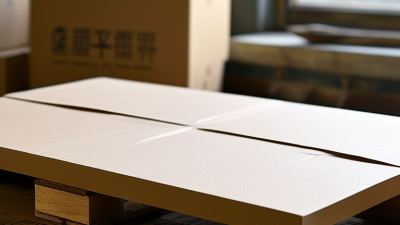
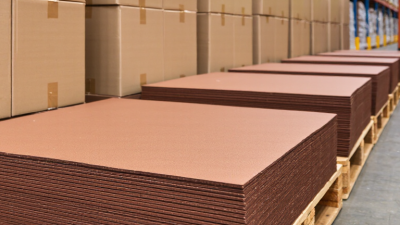
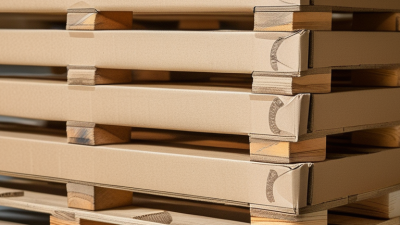
Slip sheets are thin, strong platforms used beneath stacked goods. They can replace wooden pallets in many unit-load applications. Common materials include kraft paper, plastic, and composite sheets. A forklift or push-pull attachment grips a small front tab. That detail matters. Without compatible equipment, expected savings may disappear quickly.

Global buyers use slip sheets to increase container capacity and reduce pallet tare weight. A sheet takes very little space, allowing more cartons to fit beneath a container roof. Lower weight can support freight planning, although savings depend on cargo density, route requirements, and handling conditions. Export teams often select moisture-resistant grades for sea freight and humid warehouses. They should test edge strength too. Bent tabs can stop a loading line.

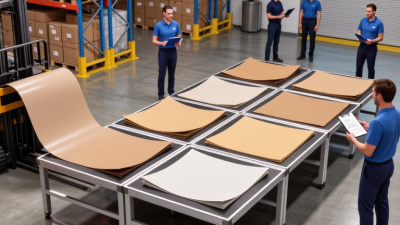
When comparing seven potential suppliers, buyers should request samples, compression data, friction details, and equipment requirements. Ask how each supplier controls thickness and recycled fiber quality between batches. During receiving trials, measure sliding performance, damaged corners, and unloading time. A cheaper sheet may fail under uneven cartons. That lesson is easy to overlook. Supplier reliability also includes stable lead times, clear specifications, and traceable quality records. I would leave room for doubt: laboratory strength rarely matches a wet dock at 6 a.m. Small field tests often reveal more than polished sales sheets.


7 Best Slip Sheet Suppliers for Global Buyers
What Are Slip Sheets and Why Do Global Buyers Use Them?
Slip sheets are thin, strong sheets placed beneath unit loads to replace wooden pallets during handling and transport. The profiles below use common industry specifications and buyer-selection criteria. Load capacity varies according to sheet design, load distribution, moisture, handling equipment, and transport conditions.
Rank Supplier Profile Primary Material Typical Thickness Indicative Load Range Best-Fit Applications Global Buyer Advantages Important Buying Checks
01 Supplier Profile A Extruded polypropylene 1.0–2.0 mm Approximately 1,000–2,000 kg per sheet, depending on design Food, beverages, chemicals, export cargo Moisture resistance, reusable construction, easy cleaning Confirm grade, edge strength, anti-slip surface, and recycling route
02 Supplier Profile B Multi-wall kraft paperboard 1.5–3.0 mm Approximately 600–1,200 kg per sheet Retail goods, packaged food, consumer products Low purchase cost, recyclable fiber content, easy disposal Check humidity resistance, ply construction, compression strength, and fiber certification
03 Supplier Profile C Solid fiberboard 1.2–2.5 mm Approximately 800–1,500 kg per sheet General consumer goods and palletized cartons Good stiffness-to-weight ratio and efficient container utilization Verify sheet flatness, moisture tolerance, tear resistance, and die-cut accuracy
04 Supplier Profile D High-density polyethylene 0.8–1.5 mm Approximately 1,000–2,000 kg per sheet Heavy industrial products, machinery parts, chemicals High durability, water resistance, and repeated-use potential Confirm load testing, coefficient of friction, temperature range, and return logistics
05 Supplier Profile E Coated kraft paper 1.5–2.5 mm Approximately 600–1,100 kg per sheet Dry food, paper products, cosmetics, and retail shipments Improved surface protection and better resistance to light moisture Review coating composition, recyclability, odor requirements, and food-contact suitability
06 Supplier Profile F Recycled plastic composite 1.0–2.0 mm Approximately 900–1,800 kg per sheet Closed-loop distribution and repeated warehouse handling Durability, consistent dimensions, and reduced single-use packaging Ask for recycled-content percentage, traceability, repairability, and end-of-life options
07 Supplier Profile G Lightweight corrugated fiberboard 2.0–4.0 mm Approximately 400–900 kg per sheet Light cartons, seasonal goods, and low-load exports Very low weight, easy recycling, and reduced transport tare weight Confirm crush resistance, stacking height, humidity exposure, and forklift compatibility
Buyer note: Slip-sheet load ratings are indicative industry ranges rather than universal guarantees. Before ordering, request samples and test the complete unit-load system with the intended push-pull attachment, forklift, pallet pattern, stacking height, cargo weight, and shipping environment.

How to Evaluate Slip Sheet Suppliers for International Purchasing

How to Evaluate Slip Sheet Suppliers for International Purchasing

A reliable slip sheet supplier should provide more than a low quotation. Request product specifications, material grade, thickness, moisture tolerance, surface friction, and edge quality. Ask for recent laboratory reports, not only sales samples. ASTM D4169 can guide distribution-performance testing, while ISO 18601 supports wider packaging and environmental assessments. Small details matter. A sheet that curls in humid weather can slow loading and damage cartons.

International buyers should examine production consistency and shipping discipline. Review batch traceability, inspection records, complaint response time, and replacement procedures. The World Bank’s 2023 Logistics Performance Index evaluates customs, infrastructure, shipment quality, tracking, and timeliness. These dimensions are useful when comparing suppliers across countries. A supplier may offer excellent sheets but still create problems through weak documentation or unreliable dispatches. Confirm packaging counts, pallet dimensions, container loading plans, and export documents before signing.

Cost needs a wider calculation. Include inland transport, port handling, storage, import duties, damage risk, and emergency airfreight. UNCTAD’s Review of Maritime Transport tracks fleet capacity, port activity, and global shipping pressures, reminding buyers that transit conditions can change quickly. I would also request a pilot order across different climates. It may feel inefficient, but laboratory results cannot fully predict warehouse humidity or forklift handling. No evaluation method is perfect. That is worth admitting. Ageing tests, factory audits, and third-party inspections can reduce uncertainty without removing it.

Seven Leading Slip Sheet Suppliers for Global Buyers

Seven Leading Slip Sheet Suppliers for Global Buyers

Global buyers usually compare seven supplier profiles: recycled paper specialists, virgin kraft producers, plastic slip sheet manufacturers, heavy-load converters, custom die-cut fabricators, export-focused distributors, and integrated packaging partners. Each serves a different handling environment. Recycled paper suits cost-sensitive shipments with moderate loads. Virgin kraft offers stronger edge performance in humid storage. Plastic sheets resist moisture, repeated handling, and cold-chain conditions.

Experienced buyers inspect more than price. They request load ratings, coefficient-of-friction data, thickness tolerance, and pallet-free handling guidance. A reliable supplier should explain whether push-pull equipment, fork adapters, or compatible warehouse systems are required. Sample testing matters. A sheet that performs well in a dry warehouse may curl beside a refrigerated container. That detail is easy to miss.

Leading suppliers also provide consistent dimensions, traceable production records, export packaging, and responsive technical support. Ask for test reports linked to the actual material grade, not a generic product family. Custom lip length can improve equipment engagement, but unnecessary customization raises costs. I have seen buyers specify maximum strength while ignoring storage humidity and operator training. That approach sounds professional, yet it can produce avoidable failures. Supplier evaluation should include communication quality, replacement procedures, production capacity, and delivery reliability across seasons. Pricing remains important, but the cheapest sheet may create handling delays.

How to Compare Materials, Customization, Pricing, and Export Services

For global buyers, supplier comparison starts with the load, not the catalog. Kraft-paper slip sheets suit dry cartons and cost-sensitive lanes. Solid-fiber sheets offer higher stiffness for dense, uneven pallets. Plastic sheets resist moisture and repeated handling, but their landed cost can rise. Smithers’ The Future of Global Packaging to 2028 values worldwide packaging demand above $1.2 trillion by 2028. That scale increases pressure for lighter, recyclable, and consistently engineered transport packaging. Material claims still need test evidence.

Request caliper, grammage, edge crush, coefficient of friction, and moisture data. Ask for samples matching your actual cartons, push-pull equipment, and container route. ASTM D4169 distribution testing can help evaluate vibration, compression, and handling risks. Customization should cover tab dimensions, print requirements, tolerances, and pallet footprints. A perfect sample can mislead. Production consistency matters more. Check batch records, inspection frequency, and corrective-action procedures before approval. Pricing should show sheet cost, tooling, packing, freight, duties, and minimum order quantities. Compare landed cost per shipped load, not price per sheet.

Export service deserves equal scrutiny. Confirm Incoterms, lead times, export documents, certificates, container loading plans, and damage-claim procedures. The World Bank’s 2023 Logistics Performance Index highlights customs, infrastructure, and timeliness as practical logistics differentiators. A slower supplier may still win through reliable documentation and fewer port delays. Request a pilot shipment. Track damage, slip resistance, labor minutes, and rejected sheets. I would not rely on a spreadsheet alone. Real handling often exposes weaknesses that quotations hide.

7 Best Slip Sheet Suppliers for Global Buyers: Comparison Framework

The chart converts common export-buyer criteria into a 100-point comparison index. Scores are based on typical global slip-sheet purchasing requirements, including material performance, customization capability, pricing potential, minimum order flexibility, and export service readiness. It is a supplier-evaluation framework, not company-specific data.

Higher scores indicate stronger suitability for international buyers. Actual quotations should be verified against sheet size, GSM, thickness, load requirements, printing, pallet compatibility, Incoterms, destination, and order volume.

What Should Buyers Confirm Before Placing a Slip Sheet Order?

What Should Buyers Confirm Before Placing a Slip Sheet Order?

Before ordering, confirm the exact load requirements with the supplier. Share product weight, pallet pattern, carton dimensions, and stacking height. A slip sheet should match the load, not merely the container size. Ask about sheet length, width, thickness, edge tolerance, and pull-tab position. Small dimensional errors can slow forklift handling.

Request production samples before approving a large shipment. Test the sheets with the actual push-pull attachment and loaded cartons. Test it loaded. Check whether the sheet tears, bends, or slips during movement. For humid routes, confirm moisture resistance and storage recommendations. Different fiber compositions can behave differently after long exposure to damp air.

Review the supplier’s quality-control process, test records, and material specifications. Ask how often thickness, strength, and tab dimensions are inspected. Confirm packaging protection, carton quantities, labeling, lead time, and replacement procedures for defective sheets. Also clarify shipping terms and export documents before payment. A perfect specification sheet is still not proof. Physical testing matters more. Buyers sometimes focus on unit price and overlook handling compatibility. That mistake can create damaged cartons, delays, and extra labor. Leave room for a pilot order, because real warehouse conditions may challenge the original assumptions.