

Inquiry
Form loading...
-
Phone
-
E-mail
-
Whatsapp
-
WeChat

China has become a major sourcing base for Kraft Slip Sheets used in global logistics. These thin fiber platforms support pallet-free handling, reduce storage volume, and fit many containerized shipping programs. Yet choosing the right manufacturer requires more than comparing prices.
Packaging sustainability expert Dr. Susan Selke offers a useful principle: “Packaging must protect products while limiting environmental impact.” That idea matters here. A reliable Kraft Slip Sheets supplier should balance material strength, fiber quality, moisture resistance, and responsible production practices. Buyers should review slip-sheet dimensions, grammage, lip design, load capacity, and compatibility with push-pull equipment. Small differences can affect warehouse speed and product stability.
Real experience also exposes weak points. A sheet may perform well in a dry factory but bend inside a humid container. A low quotation may exclude testing, custom printing, or export packaging. That is not always obvious. Global buyers should request samples, compression data, batch records, and clear quality procedures before placing large orders. Factory audits and responsive communication add confidence, especially for recurring shipments.
China’s best Kraft Slip Sheets manufacturers do more than produce fiber sheets. They help buyers select practical specifications for beverages, food ingredients, chemicals, paper goods, and industrial cartons. The strongest suppliers provide customization without making unsupported promises. They explain limitations honestly. That matters.
A dependable partnership grows through testing, documentation, and consistent delivery. Even experienced buyers should keep reviewing performance, because transport conditions change. The right manufacturer is not simply the cheapest option. It is the supplier that protects cargo, supports compliance, and improves handling efficiency across international supply chains.
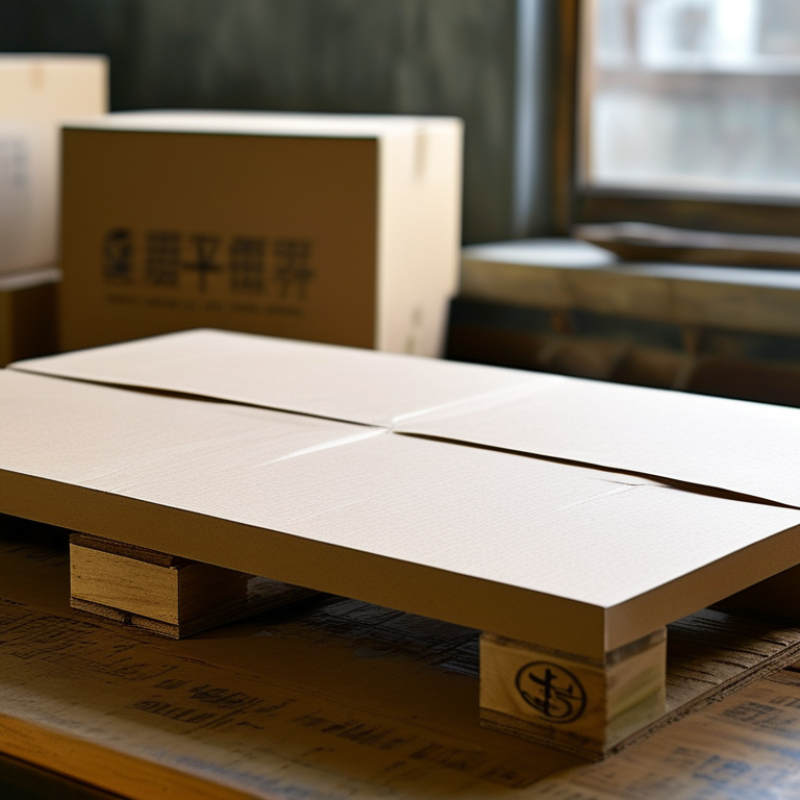
China Best Kraft Slip Sheets Manufacturer for Global Buyers
Kraft slip sheets are thin, strong sheets placed beneath unit loads. They replace many wooden pallets during transport and storage. Their structure is simple, but performance depends on fiber quality, moisture, and edge condition. Most sheets use several kraft paper plies, bonded in a flat, layered construction. Some include reinforced edges, moisture resistance, or an anti-slip surface.
The Global Forest Resources Assessment 2020 reports that global forest product output remains above four billion cubic metres annually. FAO’s Forestry Production and Trade Yearbook also recorded roughly 420 million tonnes of paper and paperboard production in 2022. These figures show the scale of fiber-based packaging. They do not guarantee slip-sheet quality. That distinction matters.
A slip sheet spreads load pressure across a pallet or warehouse floor. It also supports push-pull handling through small tabs or gripping edges. During loading, the sheet reduces friction between stacked goods and handling equipment. In practice, operators should check sheet caliper, basis weight, tab strength, and moisture exposure. A wet sheet can lose stiffness quickly. A neat specification can still fail.
The ISO 21898 standard helps evaluate packaging performance for filled transport units. However, laboratory results cannot replace route testing. A heavy carton load may behave differently on a humid dock, a rough road, or a cold container floor. I would not choose a sheet by thickness alone. Load geometry, stacking time, equipment type, and regional climate deserve equal attention.
| Data Dimension | Kraft Slip Sheet Information | Practical Relevance for Global Buyers |
|---|---|---|
| Definition | A kraft slip sheet is a thin, flat load-support platform made primarily from kraft paperboard. It is placed beneath unit loads and used with compatible push-pull handling equipment. | Provides a pallet alternative for selected transport and warehouse applications while reducing the space occupied by a traditional wooden pallet. |
| Primary Material | High-strength kraft paper, commonly produced from virgin fiber, recycled fiber, or a specified combination of both. | Material selection affects tear resistance, edge strength, moisture performance, recyclability, and load stability. |
| Typical Structure | A multilayer paperboard sheet with a flat deck and one or more reinforced pull tabs. Layers may be laminated or bonded to improve stiffness and handling strength. | The deck supports the cargo, while the pull tab allows a push-pull attachment to insert, pull, and position the load. |
| Common Pull-Tab Designs | Single-tab, two-tab, and four-tab configurations are used depending on the handling direction and equipment requirements. | Tab layout should match the push-pull attachment and the loading orientation used at the origin, destination, and transfer facilities. |
| Common Thickness Range | Approximately 0.6–2.0 mm, depending on paper grade, number of layers, load requirements, and handling conditions. | Thicker construction can provide greater stiffness, but it may increase material consumption and shipping volume. |
| Standard Load Footprint | Manufactured in various footprints, including dimensions commonly matched to regional pallet and container-loading practices. | The correct footprint helps maximize container utilization and keeps the cargo within the support area during handling. |
| Load Capacity Consideration | Capacity depends on sheet construction, load distribution, cargo shape, stacking height, acceleration, humidity, and whether the load is static or moving. | Buyers should request test data for the intended load instead of relying on a universal capacity value. |
| Core Function: Load Support | Distributes the weight of cartons, bags, cases, or other unitized goods across the supporting handling surface. | Helps maintain load integrity when the cargo is properly arranged, secured, and handled within the product specification. |
| Core Function: Push-Pull Handling | The pull tab interfaces with a push-pull attachment, allowing the load to be moved without fork insertion beneath the sheet. | Requires compatible equipment, trained operators, and sufficient clearance around the load. |
| Space Efficiency | The thin profile generally occupies less vertical space than a conventional wooden or plastic pallet. | Can support additional product height or improve cube utilization when transport and stacking limits permit. |
| Weight Efficiency | Paper-based slip sheets are generally lighter than rigid pallets of comparable footprint. | Lower tare weight may help reduce handling effort and improve payload efficiency, subject to applicable transport limits. |
| Moisture Resistance | Standard kraft paperboard can lose strength when exposed to moisture. Moisture-resistant treatments or coatings may be specified for demanding environments. | Storage conditions, condensation, rain exposure, and refrigerated transport should be evaluated before selecting the grade. |
| Recyclability | Uncontaminated paper-based slip sheets can generally enter established paper recycling streams, subject to local recycling rules and any coating or adhesive used. | Supports paper-based packaging recovery programs when local facilities accept the material composition. |
| Typical Applications | Consumer goods, food and beverage packaging, agricultural products, chemicals in approved packaging, paper products, and export cargo. | Suitability depends on product weight, packaging stability, hygiene requirements, handling equipment, and route conditions. |
| Quality Inspection Points | Check dimensions, thickness, grammage, moisture content, tab attachment, edge condition, flatness, bonding quality, and visible damage. | Consistent inspection reduces handling failures and helps confirm that the product meets the agreed purchase specification. |
| Buyer Specification Checklist | Specify footprint, thickness, paper composition, tab configuration, coating requirements, load conditions, packaging method, quantity, and applicable testing standards. | A complete specification improves quotation accuracy, production consistency, and compatibility with the buyer’s logistics system. |