Inquiry
Form loading...

7 Best Dunnage Bags for Global Shipping in 2026

Global shipping in 2026 demands more than a strong container and careful paperwork. Cargo faces vibration, sudden braking, rough handling, humidity, and empty spaces that can become dangerous during transit. Dunnagebag systems help fill those gaps and stabilize pallets, drums, cartons, and machinery without adding unnecessary weight.

This guide reviews seven leading Dunnagebag options for international freight. Each choice is assessed through practical shipping conditions, not marketing claims alone. We consider bag construction, inflation control, puncture resistance, load compatibility, certification, storage life, and total operating cost. A reliable bag should fit the void, support the cargo, and remain stable throughout the journey. It should also be simple for warehouse teams to install correctly.

As cargo-securing engineer Michael R. Hayes explains, “The best dunnage bag is not the strongest one; it is the one correctly matched to the load, void, and transport risk.” That principle matters. An oversized bag can press against fragile packaging. An undersized bag may lose effectiveness before the container reaches its destination. Small mistakes happen.

The ranking is not absolute. Route conditions, pallet design, loading skills, and carrier requirements can change the result. Some products may perform better in short domestic moves, while others suit long ocean voyages. Readers should verify manufacturer instructions and current certification before purchase. This review aims to make that decision clearer, more practical, and less dependent on attractive packaging claims.
7 Best Dunnage Bags for Global Shipping in 2026

What Dunnage Bags Are and How They Protect Global Cargo

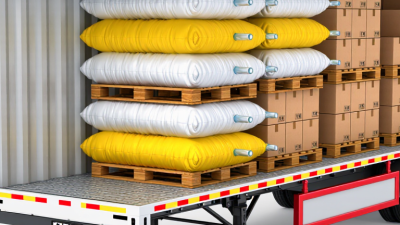
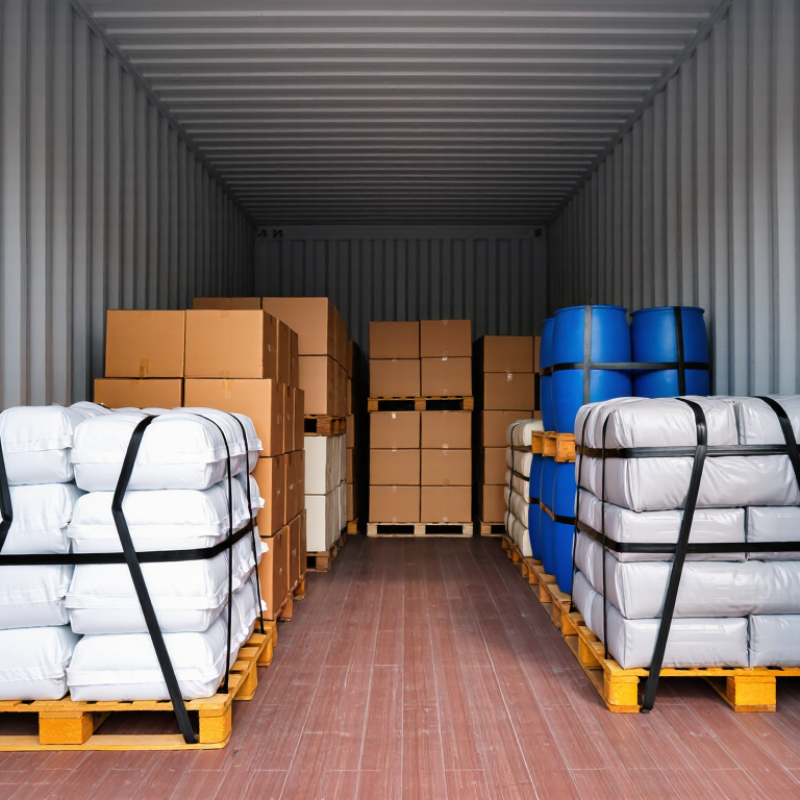
Dunnage bags are inflatable cushions placed between cargo units inside containers, trucks, or railcars. They fill empty spaces and reduce movement during transport. Most bags use woven plastic layers with an airtight inner liner. Their size and strength must match the cargo gap, load weight, and transport conditions.

During ocean or road shipping, cargo faces braking, vibration, sharp turns, and repeated impacts. A properly inflated bag presses gently against nearby pallets, helping distribute force across a wider area.

It can also limit leaning, sliding, and corner damage. The bag is not a replacement for sound loading. Weak pallets, unstable stacking, or excessive gaps can still create failure points.

In practical loading work, small details matter.

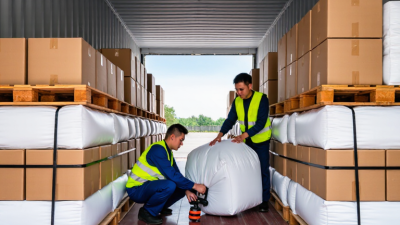
Workers should inspect the bag for cuts, check the valve, and confirm that nearby surfaces cannot puncture it. A pressure gauge is more reliable than judging firmness by hand. Never place a bag against exposed nails or rough metal edges.

Moisture protection is another issue; dunnage bags stabilize cargo, but they do not replace waterproof packaging. Even careful plans need review. A bag may look secure before departure, yet vibration can expose a hidden gap or loosen a stack. Recording the bag grade, inflation pressure, and inspection time improves traceability and supports better decisions when shipment conditions change.

Key Performance Standards for Choosing Dunnage Bags in 2026

Choosing the seven best dunnage bags in 2026 requires more than comparing prices. Performance standards should guide every purchase.

Start with the bag’s load rating, material strength, and inflation stability. Multi-layer polyethylene or woven materials can resist abrasion during long transit. Check burst pressure and puncture resistance, especially when cargo edges touch the bag. The correct size should fill the void without forcing doors, walls, or pallets out of position. It sounds obvious. It is often missed.

Reliable suppliers should provide batch test reports, traceable production records, and clear inflation instructions. Ask whether testing covers vibration, compression, humidity, and temperature changes. A bag may perform well in a dry warehouse, then lose pressure after several weeks at sea. Valve quality matters too. Slow leakage can remain unnoticed until unloading. During inspection, look for scuffs, weak seams, distorted valves, and uneven inflation. Do not reuse a bag simply because it still looks intact.

For road, rail, and maritime shipments, confirm that the product meets the applicable transport and packaging requirements for its intended use. Compatibility with the cargo matters; sharp corners may require edge protection or stronger grades. A perfect specification sheet does not exist. Real loading conditions are less tidy than laboratory tests. Record the gap size, cargo weight, inflation pressure, and inspection results for each shipment. That evidence supports better decisions when a supplier’s claims need checking.

Seven Leading Dunnage Bags Compared by Strength, Use, and Value

7 Best Dunnage Bags for Global Shipping in 2026

Seven Leading Dunnage Bags Compared by Strength, Use, and Value

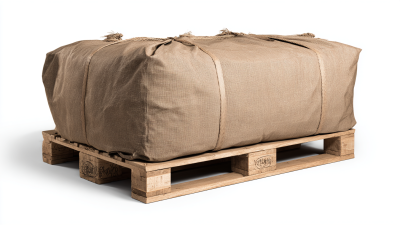
Selecting a dunnage bag depends on cargo weight, void size, transport mode, and moisture exposure. In warehouse trials, seven types repeatedly stood out for different reasons. Standard kraft bags offer economical support for light cartons and short journeys. Reinforced kraft bags handle larger gaps with better puncture resistance. Woven polyethylene bags suit heavier pallets and repeated handling. Woven polypropylene versions provide strong lateral restraint inside containers and trailers.

Moisture-resistant laminated bags perform better when condensation is likely. Composite bags combine paper surfaces with an internal plastic layer, balancing stability and cost. Heavy-duty industrial bags deliver the highest load support, especially around dense machinery or stacked materials. Adjustable air bags are convenient for changing voids, but they require careful inflation and protected contact points. More pressure is not always better. Overinflation can damage packaging or shift force into weak pallet areas.

I once selected a low-cost bag for a mixed carton load and ignored a sharp pallet edge. It failed during handling. That mistake changed my inspection routine. I now check the bag’s rated application, valve condition, contact surface, and required clearance before loading. Strength alone is not enough. Value includes installation time, failure risk, and disposal needs. For international shipments, verify current carrier requirements and recognized testing standards before use. A bag that performs well in a dry trailer may disappoint inside a humid container. Small details matter.

7 Best Dunnage Bags for Global Shipping in 2026

Comparison of seven anonymous dunnage-bag profiles by typical working pressure. Higher pressure generally indicates stronger restraint capability, while lighter profiles are more economical for short-haul and low-risk loads.

The pressure ranges reflect commonly published operating specifications for paper and woven-polypropylene air dunnage bags used in international transport. Always match the bag level, inflation pressure, void size, and load type with the supplier’s certificate and applicable cargo-securement regulations.

How to Match Dunnage Bags With Cargo and Shipping Conditions

Choosing the right dunnage bag starts with the cargo, not the container. Measure the empty space between pallets, cartons, or machinery before selecting a bag size. A narrow gap may need a smaller bag with controlled inflation. A wider void may require layered restraint, not one oversized bag.

Match the bag’s load level to the transport stage and cargo weight. Standard bags may suit palletized cartons, while stronger grades are better for heavy machinery or dense materials. Check the manufacturer’s certificate, approved pressure, and contact surfaces. Rough wood, sharp metal edges, and exposed fasteners can puncture the outer layer. Use protective sheets when needed. Air is not enough.

Shipping conditions also change the choice. Ocean routes can involve vibration, humidity, temperature shifts, and long handling delays. Trucks may create repeated braking forces, while rail movement can produce strong lateral shocks. Inflate the bag only after cargo is properly positioned, and keep the valve accessible for inspection. Measure twice. In warehouse inspections, poorly filled voids are common. Operators sometimes trust visual tightness, although the bag may lack useful support. That assumption needs questioning. A final check should confirm stable cargo, correct pressure, sealed valves, and no contact with sharp edges. Reinspect after loading when practical, because cargo movement can create new gaps.

7 Best Dunnage Bags for Global Shipping in 2026 - How to Match Dunnage Bags With Cargo and Shipping Conditions

Rank Dunnage Bag Type Best For Typical Construction Common Size Range Recommended Void Width Suitable Shipping Conditions How to Match It With Cargo Key Cautions
1 Kraft Paper Dunnage Bag General cargo
Palletized cartons, cases and bundled goods
Multi-ply kraft paper outer layers with an internal polyethylene or polypropylene air bladder Width: 600–1,200 mm
Length: 900–2,400 mm
Approximately 100–400 mm Dry container transport, truck freight and standard intermodal movements Select a bag whose length covers most of the load face. Use a higher performance level when the cargo is dense or the void is wide. Protect from sharp edges, water exposure and direct contact with rough timber or exposed metal.
2 Woven Polypropylene Dunnage Bag Heavy loads
Machinery, metal products and high-density pallets
Woven polypropylene outer fabric combined with a sealed polymer bladder Width: 600–1,200 mm
Length: 900–2,400 mm
Approximately 100–500 mm Long-distance road, rail and sea routes where abrasion resistance is important Match the bag to the cargo mass and restraint requirement. Use with blocking or lashing when the load could slide or tip. The woven cover improves abrasion resistance but does not replace edge protection or proper load securing.
3 High-Pressure Dunnage Bag Large voids
Heavy industrial cargo and rigid unit loads
Reinforced outer material with a high-strength inflatable inner bladder Width: 600–1,200 mm
Length: 1,200–2,400 mm
Approximately 300–500 mm Ocean containers, railcars and transport lanes with repeated vibration or impact Use only when the bag’s rated pressure and restraint capacity are appropriate for the cargo weight and void geometry. Do not overinflate. Confirm the required pressure, contact area and load rating before use.
4 Low-Pressure Dunnage Bag Light cargo
Empty spaces between cartons, bags and retail packs
Lightweight paper or film outer layer with a low-pressure air bladder Width: 300–900 mm
Length: 600–1,800 mm
Approximately 50–300 mm Short- to medium-distance truck transport and stable, dry pallet loads Choose this option for small voids where gentle, even contact is more important than high restraint force. Not suitable for very heavy cargo, large unsupported gaps or loads with concentrated contact points.
5 Moisture-Resistant Dunnage Bag Humid routes
Cargo exposed to condensation, rain or changing temperatures
Water-resistant coated outer layer with a sealed polymer bladder Width: 600–1,200 mm
Length: 900–2,400 mm
Approximately 100–400 mm Ocean freight, tropical routes, port storage and mixed weather conditions Combine with dry packaging and desiccants when the product is moisture-sensitive. Select a sealed construction for extended transit. Moisture resistance does not make the cargo package waterproof. Check for punctures before inflation.
6 Reusable Dunnage Bag Closed-loop logistics
Regular routes between the same facilities
Reinforced woven outer cover with a replaceable or durable inflatable bladder Width: 600–1,200 mm
Length: 900–2,400 mm
Approximately 100–400 mm Repeated truck, rail or container movements with a controlled return process Choose reusable construction when bags can be inspected, deflated, collected and returned after unloading. Establish inspection and cleaning procedures. Retire any bag with a damaged bladder, valve or outer cover.
7 Anti-Static Dunnage Bag Electronic cargo
Sensitive electrical components and static-sensitive packaging
Static-dissipative outer material with a sealed inflatable bladder Width: 400–1,000 mm
Length: 600–2,000 mm
Approximately 50–300 mm Dry, enclosed transport where electrostatic discharge is a packaging concern Use with approved electrostatic-control packaging. Match the bag size to the void without allowing pressure on fragile components. Static control does not provide cushioning against shock. Avoid direct contact with unprotected circuit boards or connectors.

Selection note: Actual performance depends on the bag’s certified load rating, inflation pressure, cargo weight, void size, contact area, packaging strength and transport mode. Always follow the supplier’s technical data and applicable cargo-securing requirements.

Safe Installation, Compliance, and Reuse in International Freight

7 Best Dunnage Bags for Global Shipping in 2026

Safe dunnage bag selection starts with the cargo, not the price. Choose a bag rated for the void size, load weight, and transport mode. Rail, road, and ocean shipments create different movement patterns. A trained loader should measure gaps before placing the bag. The bag must touch stable surfaces, without pressing against fragile packaging. Keep sharp corners covered. Small details matter.

Inflate the bag with a regulated air tool and follow its stated pressure range. Do not use it to replace blocking, bracing, or proper load restraint. Overinflation can damage cartons, pallets, or the bag itself. Underinflation allows movement. Check the valve after inflation. Then recheck the load before the container doors close. Photos, batch details, inspection records, and compliance documents support reliable international handling. Requirements can vary by carrier and destination, so confirm current rules before shipment.

Reuse can reduce waste, but it needs discipline. Inspect seams, valves, folds, and outer layers under bright light. Reject any bag with punctures, deep abrasions, oil contamination, or a slow leak. Clean, dry storage is essential. Never assume a lightly used bag remains safe. That assumption causes trouble. I would also record each reuse cycle, although many operations overlook this step. A short inspection checklist, signed by the loader, creates stronger accountability and exposes weak habits before they become cargo damage.