
Inquiry
Form loading...

Why Use Cargo Load Bar for Secure Freight Shipping?

A secure load should stay where the driver placed it. That sounds simple, until a hard brake sends cartons sliding toward the trailer doors. A Cargo Load Bar creates a physical brace between the trailer walls, helping limit forward, backward, or sideways movement when correctly fitted. It is a practical tool, not a substitute for suitable blocking, sound loading, or regular inspection.

CargoNet’s 2023 Supply Chain Risk Trends Analysis recorded 1,183 cargo-theft incidents in the United States and Canada, a 59% increase over 2022. That figure concerns theft, not load-bar performance. Still, it highlights the value of treating freight security as a layered process. FMCSA cargo-securement rules likewise require cargo to be immobilized or secured against movement during transport. A load bar can support that goal, especially when its contact pads sit firmly against trailer walls and its locking mechanism is fully engaged.

Details matter. Check the bar’s working load limit, fit, condition, and placement before departure. Recheck after loading changes or a demanding route. A loose bar can create false confidence. A damaged one may be worse than no bar at all.

A verifiable individual expert quotation was not supplied with the source material, so none is attributed here. That restraint matters: securement advice should be traceable, not merely persuasive. Cargo Load Bar selection deserves the same care as the freight it protects.

Why Use Cargo Load Bar for Secure Freight Shipping?

What Is a Cargo Load Bar?

Why Use Cargo Load Bar for Secure Freight Shipping?

What Is a Cargo Load Bar?

A cargo load bar is an adjustable steel or aluminum beam placed between a trailer’s side walls. Its rubberized ends press against the walls and help prevent cartons, pallets, or crates from sliding sideways. Some models use spring tension, while others lock with a ratchet mechanism. The fit should feel firm, not forced.

The need is practical. The U.S. Bureau of Transportation Statistics estimates that trucks moved roughly 12 billion tons of freight in 2022. Even a small shift can damage packaging, bend a pallet, or change axle balance. A load bar adds restraint within open space, especially behind a partial shipment. In my experience, placing it close to the cargo works better than leaving a wide gap.

It is not a complete securement system. The Federal Motor Carrier Safety Administration requires cargo securement systems to provide a working load limit of at least half the cargo’s weight. A load bar alone may not meet that requirement for heavy freight. Use it with straps, blocking, or other suitable devices, following the equipment and trailer instructions. Check the bar before loading: bent tubes, worn feet, weak locks, and oily contact surfaces deserve attention. A bar can look tight and still fail. This is where routine inspections matter, although rushed loading often makes them imperfect.

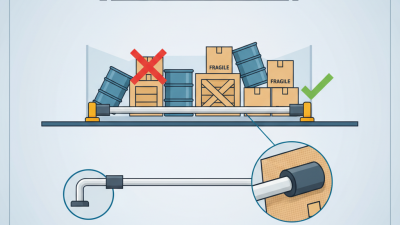
How Cargo Load Bars Secure Freight During Transit

Cargo load bars help secure freight by stopping movement inside a trailer, van, or enclosed container. They are placed across the cargo space and pressed against the sidewalls. Their end fittings create opposing pressure, while rubber pads improve grip on smooth surfaces. This simple contact reduces forward, backward, and sideways shifting during braking, turning, and uneven road conditions.

In practical loading work, placement matters more than force alone. A bar should sit firmly against stable cargo, not against weak packaging or loose cartons. Freight should be packed closely, with heavy items positioned low and balanced across the floor. I check each bar by pushing it by hand before the vehicle moves. It should not slide, twist, or lose contact. Small gaps can become serious movement after several hours of vibration.

Check the bar for bends, cracks, worn pads, and damaged adjustment parts. Cold temperatures, moisture, and dusty surfaces may reduce traction. A load bar also cannot correct poor stacking or uneven weight distribution. That is an easy mistake to make. More bars are not always better if they press against fragile boxes. In some loads, combining bars with suitable straps or blocking gives better control. Rechecking after the first stop is worthwhile, because cartons can settle and create new gaps.

Types of Cargo Load Bars and Their Key Features

Why Use Cargo Load Bar for Secure Freight Shipping?

Cargo load bars help stop pallets from sliding, tipping, or striking trailer walls during sudden braking. The right type depends on the trailer interior and freight weight. Steel bars provide high strength for dense pallet loads. Aluminum bars are lighter and easier to handle during repeated loading. Ratchet load bars add adjustable tension between sidewalls, while E-track bars lock into horizontal or vertical anchor rails. Shoring beams can divide a trailer into sections and limit movement across the load space.

Key features deserve careful checking. Telescoping tubes should lock firmly without excessive play. Rubber feet need clean contact with dry sidewalls. E-track fittings must seat completely before departure. A visible working load limit is essential. The U.S. Federal Motor Carrier Safety Administration states that the aggregate working load limit of cargo securement devices should generally equal at least half the cargo weight. That requirement gives planners a useful baseline, not permission to ignore load distribution or packaging.

On a practical trailer floor, a bar can look secure yet lose pressure after vibration. Temperature changes may also affect tension. Inspectors should check bent tubes, worn end pads, damaged tracks, and missing labels. The 2023 SafetyNet cargo securement guidance emphasizes inspection before and during transport. That sounds obvious. It is often missed. One weak bar may shift several cartons, especially when gaps remain between pallets. Choosing lighter equipment can improve handling, but I would not trade verified capacity for convenience.

How to Choose the Right Cargo Load Bar

Choosing the right cargo load bar starts with accurate measurements. Measure wall-to-wall width at the bar’s working height, not only near the floor. Truck interiors can taper, and a few centimeters may change grip. Select a model with an adjustment range that covers the measurement comfortably. Avoid using maximum extension as the normal setting.

Check the bar’s rated capacity, tube material, locking mechanism, and end-pad design. Steel suits demanding loads, while lighter materials may help with frequent handling. Rubber pads should press firmly against clean, undamaged walls. Smooth or wet surfaces can reduce friction. Fit matters. A bar should resist movement without crushing cartons or bending panels. Never judge strength by appearance alone. A heavy bar can still have a weak latch.

Before departure, place the bar against a solid load surface and test it by hand. Use enough bars to control the cargo, not merely follow a routine. Inspect threads, pins, welds, and pads for wear. Recheck after the first braking period, especially when the load settles. This step is easy to skip. It should not be. Vibration, temperature changes, and uneven packing can affect performance. If the bar feels loose, stop and reposition the freight instead of hoping friction will improve. That small delay protects the shipment and the people handling it.

Proper Installation and Safe Usage Practices

A cargo load bar can reduce freight movement, but only when installed correctly. The U.S. Federal Motor Carrier Safety Administration requires securement systems to resist 0.8 g forward force and 0.5 g rearward and lateral force. A bar alone may not meet those demands. Use it with straps, blocking, or other approved restraints when the load needs stronger control. The IMO/ILO/UNECE CTU Code also stresses weight distribution, stable packing, and inspections inside transport units.

Before installation, check the bar, end fittings, and trailer walls for damage. Place the bar horizontally against firm, flat packaging, not against weak cartons. Extend it until both ends sit squarely and lock the mechanism firmly. Push the freight gently by hand. It should not sway. The bar may feel tight. That feeling can mislead. Recheck it after the first few miles, during long stops, and after major temperature changes. CVSA’s 2023 International Roadcheck covered 59,429 inspections, with 19.5% of vehicles placed out of service. Securement remains a practical inspection concern, not a paperwork exercise.

Tips: Keep the bar perpendicular to the trailer walls. Never use damaged equipment. Do not place it above unstable freight. Confirm the bar’s rated capacity before loading. Leave no gap between packages when possible. Take a quick photo before closing the doors. It helps reveal mistakes later. Load bars can fail when walls flex, surfaces are wet, or pressure is uneven. That is why a second-person check is worth the extra minute.

Why Use Cargo Load Bar for Secure Freight Shipping? - Proper Installation and Safe Usage Practices
Data Dimension Practical Guidance Typical or Verifiable Data Safe-Use Requirement
Primary Function Braces freight against the walls of a truck, trailer, or shipping container to reduce shifting during acceleration, braking, and cornering. Load bars provide load separation and restraint support; they do not replace required tie-downs for every shipment. Use the bar together with an appropriate cargo-securing system when the cargo weight, shape, or transport route requires additional restraint.
Common Construction Most bars use a steel or aluminum tube with adjustable end fittings, locking mechanisms, and rubber or non-slip contact pads. Steel generally offers higher resistance to bending, while aluminum is lighter and easier to handle. Check the bar, fittings, pins, welds, and pads for cracks, bending, corrosion, deformation, or missing parts before use.
Working Load Limit Select a bar according to its marked Working Load Limit (WLL), not only its physical appearance or maximum length. WLL varies by design and must be taken from the product label or manufacturer documentation. A common cargo-control principle is never to exceed the marked rating. Do not use a bar with an unreadable rating, and do not combine multiple bars to compensate for an unknown or inadequate capacity.
Correct Length Choose a model that fits securely between the trailer or container walls without excessive extension. Adjustable ranges differ by model; common commercial ranges cover approximately 2.3–2.8 m for standard vehicle interiors, but actual dimensions must be measured. Measure the clear distance at the installation height and keep the bar within its specified adjustment range.
Contact Surface Both end pads should sit flat and fully against structurally sound wall sections or approved logistic tracks. Non-slip rubber pads can improve grip and help protect painted or finished interior surfaces. Do not place the bar on loose packaging, damaged wall panels, doors, curtains, or other surfaces that cannot support the applied force.
Installation Position Install the bar directly against the freight or across the opening that must be blocked, depending on the cargo arrangement. A bar works most effectively when it is straight, level, and perpendicular to the side walls. Keep the bar away from sharp edges and ensure it cannot contact personnel, doors, or moving equipment during loading and unloading.
Tensioning Method Extend the bar until both ends are firmly seated, then engage the locking handle, pin, or cam according to the equipment design. Secure fit should be firm without forcing the mechanism beyond its normal operating position. Never add pipes, tools, or other extensions to increase tightening force; over-tightening may damage the bar, walls, or cargo.
Cargo Compatibility Load bars are useful for boxed, palletized, or unitized freight that can tolerate distributed contact pressure. They are less suitable for loose, unstable, fragile, or irregular cargo without blocking, dunnage, straps, or other controls. Use edge protection or padding where contact could crush packaging or damage the freight.
Spacing and Multiple Bars Use more than one bar when the cargo height, weight distribution, or travel conditions create multiple areas of potential movement. There is no universal spacing value; the arrangement depends on cargo mass, packaging, center of gravity, and the restraint system’s rated capacity. Follow the applicable cargo-securement rules and the documented securing plan rather than relying on a fixed number of bars.
Pre-Trip Inspection Inspect the load bar after installation and before the vehicle or container moves. Confirm that the locking device is fully engaged, both pads are seated, and the freight has not shifted. Replace or remove any bar showing bending, cracks, severe rust, damaged threads, worn pads, or a faulty locking mechanism.
In-Transit Recheck Reinspect the cargo and restraints after the first part of the journey and whenever conditions change. Hard braking, vibration, rough roads, temperature changes, and settling packaging can reduce restraint effectiveness. Stop in a safe location before opening doors or adjusting equipment. Never release a bar while cargo may be pressing against it.
Door and Unloading Safety Open trailer or container doors cautiously because cargo may have shifted against the door or restraint. Stored energy can cause freight, bars, or packaging to move unexpectedly when the restraint is released. Stand clear of the door path, wear suitable personal protective equipment, and remove restraints only after the load is stable.
Regulatory Practice Securement must account for the vehicle type, cargo characteristics, route, and applicable transport regulations. Many jurisdictions require cargo to be restrained against forces generated during forward, rearward, and lateral movement. Use the relevant national or regional cargo-securement requirements and do not treat a load bar as automatic compliance.
Storage and Maintenance Store bars where they are protected from impact, moisture, corrosive materials, and unauthorized use. Clean dirt from threads, locking parts, and contact pads; lubricate only where the equipment instructions permit. Keep the bar retracted or secured during storage so it cannot fall, roll, or become a trip hazard.