Inquiry
Form loading...

What Is a Cargo Load Bar and What Type Do You Need?

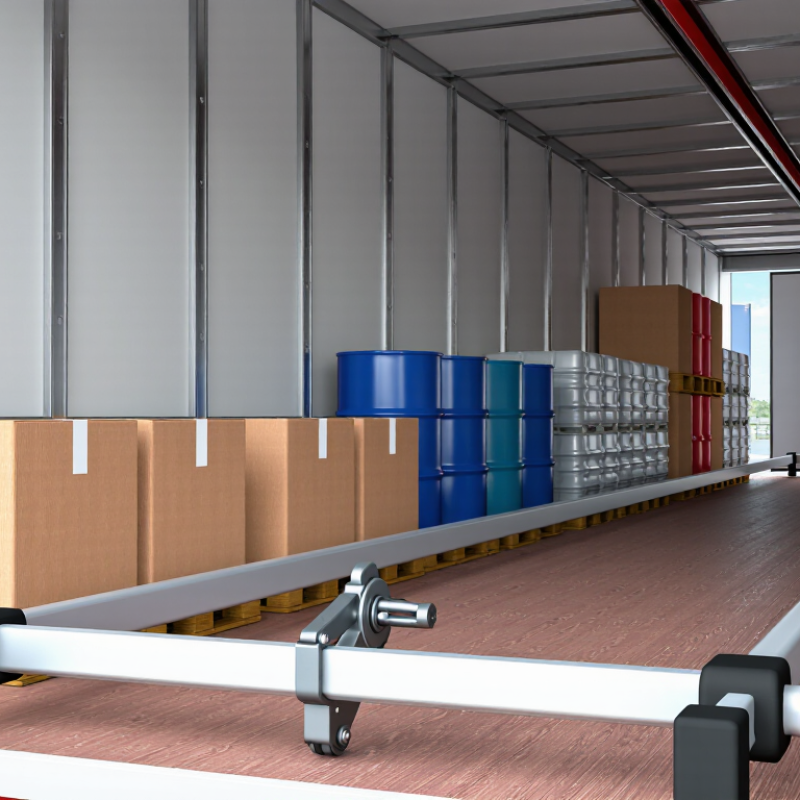
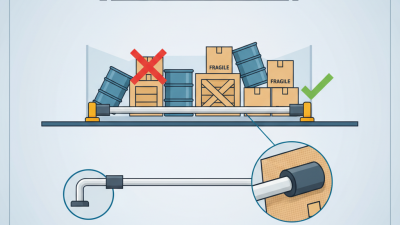
Cargo moves through a demanding environment: sudden braking, sharp turns, vibration, and uneven roads. In that setting, a Cargo Load Bar can help prevent cartons, drums, or pallets from shifting inside a trailer. It presses between the trailer walls, creating a physical barrier that supports the load. Small detail. Serious consequence.

The American Trucking Associations’ American Trucking Trends 2023 reported that trucks carried 72.6% of domestic freight tonnage in 2022. That scale makes practical cargo protection essential across warehouses, fleets, and distribution routes. The Federal Motor Carrier Safety Administration (FMCSA) also requires cargo to be secured against movement, including forward, rearward, sideways, and vertical shifts. Its cargo securement guidance states that the combined working load limit of securing devices should generally equal at least one-half of the cargo weight.

However, a load bar is not a universal solution. A lightweight aluminum bar may suit moderate parcels, while a steel ratchet bar can provide stronger pressure for heavier freight. A shoring beam may be more appropriate for dense palletized loads or trailer systems with logistics tracks. The correct choice depends on cargo weight, packaging strength, trailer width, wall design, and bar capacity. Measure twice. It is easy to overlook damaged end fittings or weak carton walls. I have seen securement plans fail because the bar was strong, but the contact point was not. This guide explains how Cargo Load Bar designs work, where each type performs best, and which practical checks support safer, more reliable loading decisions.

What Is a Cargo Load Bar and What Type Do You Need?

Cargo Load Bar: Definition, Purpose, and Basic Function

A cargo load bar is an adjustable steel or aluminum beam placed across a trailer, van, or truck body. It presses against sidewalls and helps prevent cartons, pallets, and equipment from shifting during transit. Its basic function is simple: create controlled blocking force. It does not replace straps, chains, or approved tie-downs.

The U.S. Department of Transportation’s Freight Analysis Framework projects freight movement will exceed 20 billion tons annually by 2050. That volume increases the importance of practical cargo control. A horizontal load bar suits palletized freight and boxed goods. A vertical bar works better when cargo needs separation from floor to ceiling. For fragile or mixed loads, a decking beam can create another loading level, but it requires compatible cargo rails and careful weight distribution.

The right type depends on the trailer’s interior width, wall strength, cargo height, and surface condition. Measure the usable span, not the advertised trailer width. A bar that feels tight may still lose pressure on a wet or damaged wall. I have seen operators rely too heavily on tension alone. That is a weak habit, especially during sudden braking.

Tips: Check the bar before every trip for bends, cracked fittings, and worn pads. Place it against stable cargo, not loose packaging. Follow the Federal Motor Carrier Safety Administration’s Cargo Securement Handbook and the applicable load-securement requirements. After a short drive, stop and inspect the bar again. Small movement can reveal a larger problem.

What Is a Cargo Load Bar and What Type Do You Need?

Cargo load bars should be selected according to the vehicle interior, anchor system, cargo shape, and the required restraint force. Always follow the load bar manufacturer's rated capacity and applicable cargo-securement regulations.
Load Bar Type How It Works Typical Mounting Surface Best-Suited Cargo Main Advantages Key Selection Considerations
Ratchet Load Bar A ratcheting mechanism extends the bar between opposing trailer or truck walls and applies compressive force to stabilize the load. Smooth or finished interior walls, sometimes with protective wall cups. Cartons, palletized goods, drums, and other loads that can be blocked across their width. Fast adjustment, strong holding force, and convenient operation. Measure the usable interior width and confirm that the wall surfaces can withstand the applied force.
Cam-Lock Load Bar A lever-operated cam or locking handle quickly expands the bar between two opposing surfaces. Truck and trailer sidewalls, with rubber or polymer feet for traction. Light to medium palletized cargo and boxed freight requiring frequent repositioning. Quick installation and removal; useful for repeated loading cycles. Check the bar's length range, foot condition, and rated working load before use.
E-Track Load Bar Fittings at both ends engage horizontal or vertical slots in an E-track cargo-rail system. Installed E-track rails on trailer or van walls. Pallets, stacked cartons, and loads that need adjustable vertical positioning. Positive attachment, repeatable positioning, and compatibility with E-track straps and fittings. Verify the rail is correctly installed and that the bar fittings match the rail profile and slot spacing.
A-Track Load Bar End fittings lock into the narrower slots of an A-track or airline-style rail. A-track rails installed along the vehicle interior. Air-freight containers, cargo nets, pallets, and specialized transport loads. Secure attachment points and flexible placement along the rail. Do not substitute E-track fittings; confirm the exact rail type and approved end fitting.
Shoring Beam A heavy-duty beam spans the trailer width and connects to vertical logistics tracks to block or divide cargo. Vertical logistics posts, shoring tracks, or compatible cargo rails. Heavy pallets, dense freight, and loads requiring stronger longitudinal blocking. Higher structural strength than many friction-fit bars and adjustable cargo zoning. Use only with compatible tracks and observe the beam's rated capacity and placement limits.
Cargo Divider Bar A horizontal or vertical bar separates cargo sections and reduces movement into open spaces. Vehicle walls, cargo tracks, or dedicated divider fittings. Mixed freight, parcels, roll cages, and partial loads. Improves organization and helps prevent cargo from shifting into empty areas. A divider is not automatically a substitute for straps, blocking, or other required restraints.
Adjustable Telescoping Bar Nested tubes extend to different lengths and lock with a pin, lever, ratchet, or cam mechanism. Vehicle sidewalls, cargo rails, or between opposing load surfaces. Variable-width loads, changing vehicle interiors, and multi-purpose delivery vehicles. One bar can cover a range of interior widths and load arrangements. Select a length range that fits without excessive extension and fully engage the locking mechanism.
Important: A cargo load bar is generally a load-positioning or blocking device, not a universal replacement for tie-down straps, cargo nets, edge protection, or other required restraints. Inspect the bar, feet, fittings, tracks, and vehicle attachment points before every use.

Main Types of Cargo Load Bars and Their Structural Differences

A cargo load bar is an adjustable brace that holds freight against movement inside a trailer, van, or container. Its structure determines how well it handles vibration, shifting weight, and repeated loading. Steel bars use thicker tubes and reinforced locking teeth. They are heavier, but usually resist bending better under demanding loads. Aluminum bars are lighter and easier to install by hand. However, their lower weight does not automatically mean lower performance.

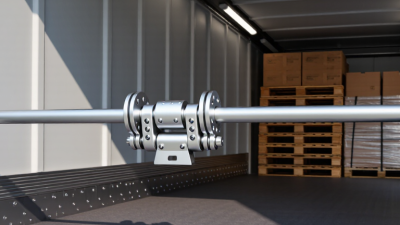
Spring-loaded bars rely on internal tension to press rubber feet against sidewalls. They work quickly for moderate restraint. Ratchet-style bars use a handle and toothed mechanism, creating stronger, more controlled pressure. Telescoping designs adjust through overlapping tubes. The overlap length matters. Too little overlap can weaken the brace, even when the bar appears locked. Some models fit E-track or other anchor rails, while others depend only on wall pressure. These are not interchangeable systems.

In practical warehouse work, I check the tube condition, locking pins, welds, and foot grip before every use. Small cracks deserve attention. A shiny bar may still be unsafe. I once assumed a heavier steel bar was always the best choice, but it slowed frequent loading and strained operators. That judgment needed revision. Select the bar according to cargo weight, wall strength, adjustment range, and rated working load. Measure the usable span first. Then confirm that the bar remains firmly engaged after the doors close and the vehicle begins moving.

How Cargo Load Bars Secure Freight During Transit

A cargo load bar is an adjustable brace that presses between trailer walls, doors, or cargo tracks. It helps stop freight from sliding, tipping, or shifting during braking and turns.

The bar works through tension and friction, not magic. It supports the load, but it does not replace straps, blocking, or proper weight distribution.

The right type depends on the vehicle and freight. Steel bars suit heavy pallets and demanding routes, while aluminum bars are lighter for frequent handling.

Ratcheting bars fit different widths and allow controlled tension. Shoring beams work with compatible cargo tracks and can divide a load into stable sections.

For cartons, drums, or uneven pallets, use bars with suitable feet and enough contact area. Small feet may damage weak panels.

Check the bar before loading. Look for bent tubes, worn handles, cracked welds, and damaged rubber pads. Measure the gap first.

A bar that is too short can release under vibration. One that is overtightened may crush cartons or deform packaging.

I have seen careful loads become loose after the first stretch of road because the freight settled. That detail is easy to miss.

Stop safely, inspect the contact points, and adjust the bar when necessary. Keep the load bar square to the walls, and confirm that each end sits fully against a strong surface. Reliability comes from this simple discipline.

Choosing the Right Load Bar for Cargo, Vehicle, and Route

What Is a Cargo Load Bar and What Type Do You Need?

A cargo load bar is an adjustable brace that presses between a trailer’s walls. It limits forward, rearward, and sideways movement. The right model depends on your cargo, vehicle structure, and route conditions. A spring bar suits lighter, boxed freight and quick repositioning. A ratchet bar creates stronger, measurable pressure for heavier pallets. Steel handles demanding work, while aluminum reduces handling fatigue. Check the bar’s working load limit, tube diameter, pad design, and adjustment range. A bar that fits poorly can become loose during vibration.

Vehicle design matters. Interior logistics tracks need compatible fittings. Smooth van walls may require friction pads, but painted surfaces can lose grip with dust or condensation. Refrigerated trailers also expose equipment to cold, moisture, and repeated temperature changes.

Route conditions matter too. Rough rural roads, steep grades, and frequent braking demand more restraint than a short urban run. FMCSA cargo-securement rules require tiedowns to resist 0.8 g forward force and 0.5 g sideways and rearward force. A load bar should support that system, not replace it.

Cargo shift is not a small concern. FMCSA’s Large Truck Crash Causation Study attributed about 4% of serious truck crashes to cargo shift. The figure is older, but still useful for risk review. CVSA inspection guidance also emphasizes securement condition, damaged equipment, and visible movement.

I check contact points after loading, then recheck them after the first road segment. That extra stop can feel unnecessary. Sometimes it is. Yet selecting by cargo weight alone is a weak habit; the vehicle walls, route, temperature, and inspection access deserve equal attention.

Safe Installation, Adjustment, and Maintenance Practices

A cargo load bar is an adjustable support placed between trailer walls. It presses against freight, reducing movement during braking, turning, and uneven travel. The correct type depends on wall spacing, cargo weight, surface strength, and anchor design. A ratcheting bar suits frequent adjustments, while a fixed or locking bar may suit stable, repeated loads. Measure the usable width, not the advertised maximum. Small errors matter.

Before installation, inspect the bar, pads, locking mechanism, and wall rails for cracks, bending, or missing parts. Clean oily contact areas. Position the bar across a strong, approved section of the trailer, never against fragile packaging. Extend it until both ends sit flat and evenly. Apply firm hand pressure, then engage the lock according to its instructions. Do not use excessive force or improvised extensions. Shake the bar lightly. It should not slide, tilt, or release.

After loading, inspect the restraint again before departure. Recheck it after the first stop, especially when the freight settles. During maintenance, look for worn teeth, loose fasteners, damaged pads, and corrosion. Replace parts that no longer hold securely. A load bar is not a substitute for suitable straps or proper weight distribution. In practice, rushed placement causes many failures. I have also found that a bar can feel tight while resting on weak packaging. That detail is easy to miss. Keep inspection records, and remove any bar whose locking action feels uncertain.

What Is a Cargo Load Bar and What Type Do You Need?

A cargo load bar is an adjustable restraint used between a vehicle’s sidewalls, floor, ceiling, or cargo tracks to reduce load movement. The chart below compares representative industry rating ranges by common load-bar type. Always confirm the exact working load limit on the product label and use the lowest-rated component in the securement system.

Safe-use guidance: Select a bar that fits the vehicle width with enough adjustment range, place it against structurally strong contact points, tighten it firmly without crushing the cargo, and check the bar, pads, ratchet, and locking mechanism before every trip. Cargo load bars supplement tie-downs and should not replace them when tie-downs are required.

Representative working-load-limit ranges shown in pounds; actual ratings vary by construction, length, contact surface, mounting system, and manufacturer specifications.