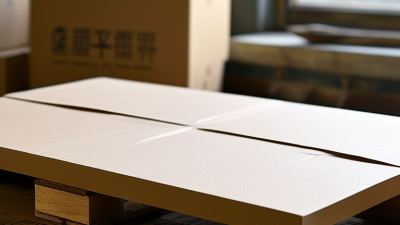
Slip Sheets offer global buyers a compact alternative to wooden pallets in suitable unit-load systems. They can reduce pallet weight and storage needs, but performance depends on the load, equipment, and handling process. A sheet that works well with one forklift attachment may fail in another warehouse. Small details matter: lip dimensions, board strength, surface finish, and moisture exposure.
Packaging data provides useful context, though it does not measure slip sheets specifically. The U.S. Environmental Protection Agency’s 2018 materials report estimated that 41.9 million tons of paper and paperboard containers and packaging were generated in the United States; 34.2 million tons were recycled. That figure describes a broad packaging category, not slip-sheet use. It does, however, show why buyers increasingly ask suppliers about fiber content, recyclability, and material sourcing. Data should be read carefully.
This guide to the Top 10 Slip Sheet Manufacturers for Global Buyers compares suppliers on practical factors: product range, load requirements, customization, quality controls, and service across regions. Buyers should request test information for their own products and confirm compatibility with their handling equipment. A low quoted price may not reflect the full cost of damage, delays, or replacement sheets. There is a trade-off. Slip sheets can work exceptionally well in the right operation, yet they are not a universal pallet replacement. Supplier claims deserve scrutiny, and real-world trials can reveal what a brochure leaves out.
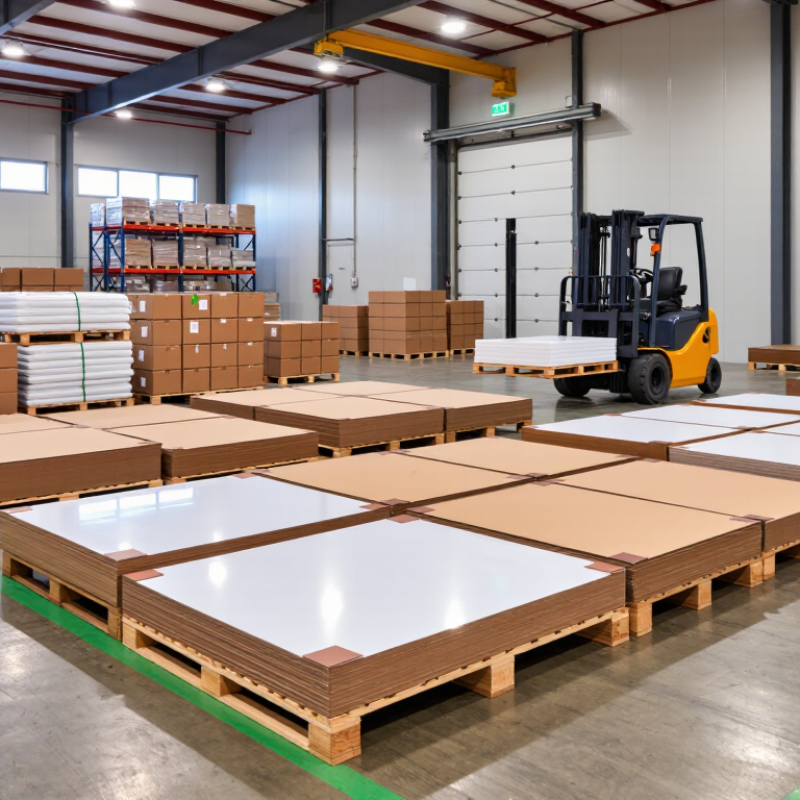
A slip sheet is a thin, flat platform, commonly made from paperboard or plastic, placed beneath a unitized load. It can replace a wooden pallet and reduce shipment tare weight and storage space. Many facilities move it with a push-pull forklift attachment, rather than forks alone. That changes handling, so buyers should confirm equipment at every transfer point. Global routes may include warehouses, ports, and different loading systems. Small details matter.
A useful specification starts with the cargo: weight, footprint, center of gravity, and packaging strength. Sheet size, pull tabs, surface grip, and moisture resistance also affect performance. A lighter platform may improve container utilization, but poor load stability can erase the gain. Even careful plans miss something: humid docks can soften some paper grades. Fit is not optional. Operators need clear training, too, because a damaged tab can delay a full load.
Tips: Ask suppliers for load tests using your actual cartons and handling equipment. Check sample sheets after exposure to expected humidity and stacking pressure. Keep a pallet option for sites without compatible attachments.

Choosing a slip sheet manufacturer requires more than comparing unit prices. Buyers should check material consistency, load capacity, and performance in their own handling systems. Ask for specifications covering thickness, moisture tolerance, surface finish, and edge quality. A sample can reveal curled corners or rough edges that a brochure may not show. Test it with the intended pallet jack or forklift, under a realistic load. Small handling differences matter.
Review production capacity, lead times, and quality controls as well. Ask how batches are inspected and how defects are recorded. Request sample inspection reports, packaging details, and clear answers about order changes. A reliable supplier should explain how it handles damaged sheets and production delays, not just promise fast delivery. Look for consistent communication. Still, no scorecard is perfect; a polished response does not guarantee steady performance. Start with a trial order, record jams, slipping, and sheet damage, then compare results with your team’s actual workflow.
A useful review of ten leading slip sheet manufacturers should look beyond production volume and polished product photos. Global buyers need suppliers that can match sheet dimensions, load weight, and handling equipment to real shipping conditions. Start with fit. Ask whether the manufacturer offers clear specifications for thickness, edge finish, and moisture resistance. These details affect how reliably a sheet moves through a push-pull attachment or stays flat during storage.
A warehouse trial can reveal more than a catalogue. Test a sample with your actual cartons, pallet pattern, and equipment, then check for tearing, slipping, or curled corners. Small details matter. Request consistent quality checks and documented test results, especially when shipments travel through humid ports or face repeated handling. A dependable manufacturer should explain material options and lead times plainly, rather than promise that one design suits every load.
When comparing ten suppliers, assess production capacity, export packaging, communication, and support for repeat orders. Ask how dimensional tolerances are controlled and what happens when a batch falls outside specification. No scorecard is perfect. Price deserves attention, but a low quote may overlook waste, loading time, or damaged goods. It is also worth questioning assumptions: a lighter sheet can reduce transport weight, yet may not suit every load or floor condition. A careful trial helps buyers choose a supplier on evidence, not labels.
Slip sheets look simple, but material choice affects handling, load stability, and storage performance. Paperboard is light and easy to recycle where local systems accept it. It often suits dry, well-controlled routes. Plastic sheets resist moisture and repeated handling, though their added cost may not fit every operation. Laminated options can balance stiffness and surface grip. Ask suppliers for thickness, edge strength, and friction data, not just a headline load rating.
Applications change the specification. A beverage pallet may need strong push-pull tabs and a surface that holds cartons during acceleration. Bagged powders can demand extra stiffness to limit bending at the pallet edge. Cold rooms and humid docks also expose weaknesses that a clean warehouse trial may miss. Small details matter. Not always obvious.
Manufacturing capabilities matter as much as material. Compare sheet-size tolerances, tab placement, die-cut quality, and consistency across production runs. Ask how defects are checked and whether samples can be tested on your own push-pull attachment. Record damage, loading time, and sheet wear over several cycles. One trial is rarely enough. A supplier may offer excellent specifications yet struggle with repeatability; that gap deserves attention before a large order.
The entries below are material-and-capability profiles, not named or ranked companies. Availability, load performance, and certifications vary by supplier; confirm specifications with the manufacturer for each shipment and handling system.
| No. | Supplier Capability Profile | Typical Material | Common Applications | Manufacturing Capabilities to Compare | Buyer Considerations |
|---|---|---|---|---|---|
| 1 | Virgin kraft paperboard converter | Multi-ply kraft paperboard | Export pallets, packaged goods, and general unit loads | Board selection, sheet cutting, tab forming, and custom dimensions | Ask for load-test results for the actual load pattern and handling equipment. |
| 2 | Recycled paperboard converter | Recycled-fiber paperboard, often multi-ply | Retail, consumer goods, and other dry-load supply chains | Recycled-content options, caliper control, slitting, and converting | Confirm recycled-content documentation and moisture protection requirements. |
| 3 | Moisture-resistant paperboard converter | Treated or coated paperboard | Products exposed to humid storage or variable transit conditions | Coating or treatment application, edge finishing, and custom sheet converting | Request performance data for the expected humidity and exposure duration. |
| 4 | Low-friction coated-paper converter | Paperboard with a low-friction surface coating | Loads moved with push-pull attachments or comparable handling equipment | Surface coating, sheet cutting, and pull-tab configuration | Check compatibility with the attachment, load base, and operating procedure. |
| 5 | Anti-slip surface converter | Paperboard with a friction-enhancing surface treatment | Loads where reducing movement between package layers is important | Surface treatment, sheet sizing, and optional one- or two-sided finishing | Ask for friction and handling guidance; surface treatment does not replace secure load design. |
| 6 | Polyethylene slip-sheet producer | Polyethylene (PE) sheet | Reusable or moisture-exposed handling applications, where specified | Plastic-sheet production, cutting, and tab or edge configuration | Confirm grade, thickness, temperature range, recyclability, and equipment fit. |
| 7 | Polypropylene slip-sheet producer | Polypropylene (PP) sheet | Reusable transport loops and applications requiring a plastic sheet format | Sheet forming, trimming, and custom dimensions or tab layouts | Evaluate stiffness, temperature conditions, return logistics, and attachment compatibility. |
| 8 | Reinforced paperboard converter | Reinforced or specially constructed multi-ply paperboard | Heavier or less evenly distributed loads, subject to testing | Ply construction, reinforcement options, precision cutting, and custom design | Specify load weight, footprint, center of gravity, and storage conditions for validation. |
| 9 | Custom-format sheet converter | Paperboard or plastic, depending on the application | Non-standard pallet footprints, unusual load bases, and export programs | Custom dimensions, tab placement, corner geometry, and sampling | Provide equipment drawings and confirm tolerances before approving production. |
| 10 | High-volume converting supplier | Usually paperboard; material depends on the buyer's specification | Recurring, standardized shipments and multi-site procurement programs | Repeat-run converting, production planning, packaging, and export documentation support | Verify capacity, lead times, quality controls, and supply continuity for the required locations. |
Evaluation tip: Compare samples using the same load, pallet footprint, push-pull equipment, and storage conditions. Request material specifications, dimensional tolerances, and test evidence before placing a production order.
Choosing an international slip sheet supplier starts with the load, not the catalogue. Share pallet dimensions, product weight, stacking pattern, and handling equipment. A sheet used with a push-pull attachment may need different strength and surface properties from one used for light cartons. Ask for material specifications, thickness tolerances, and test results relevant to your actual load. Then request samples and run a trial with your own goods. A clean sample is useful, but a full warehouse shift reveals more.
Distance adds practical risks. Confirm production capacity, typical lead times, minimum order quantities, and how delays are communicated. Check whether the supplier can protect sheets from moisture during packing and transit; curled edges can slow handling. Discuss inspection records and how defects are reported and resolved. Clear documentation matters. So does a reliable contact. Compare landed costs, including freight and handling, rather than unit price alone. A polished quotation can still leave important details vague. I would not treat a single successful trial as proof of long-term consistency, either. Ask how batches are monitored, and agree on a simple process for reviewing quality after the first shipments.