What Are the Top Safety Cargo Net Types in 2026?
In 2026, choosing a Safety Cargo Net means matching the net to the load, vehicle, and journey—not just picking the thickest mesh. Elastic nets can steady light, irregular items, while webbed restraint nets suit heavier cargo when properly rated and anchored. Fine-mesh containment nets help keep small pieces from shifting or falling. Each type has limits. A net that looks secure in a driveway may loosen when cargo settles on a long trip.
This guide compares common net types by material, mesh size, attachment points, working-load information, and everyday use. Look closely at hooks and seams; these small details matter when a net is stretched across a packed trailer or truck bed. As a clearly illustrative, not independently verified expert comment, cargo-restraint specialist “Jordan Ellis” offers this reminder: “A secure net starts with a suitable rating and sound anchor points.” Jordan Ellis is a fictional name, and this quotation is written for this introduction, not presented as a real expert statement. That distinction matters. So does checking the manufacturer’s instructions, inspecting for frayed webbing, and allowing room for movement without overloading the net. No single design fits every load. Some comparisons remain imperfect because cargo shapes and travel conditions vary, but knowing the trade-offs can make selection safer and more deliberate.
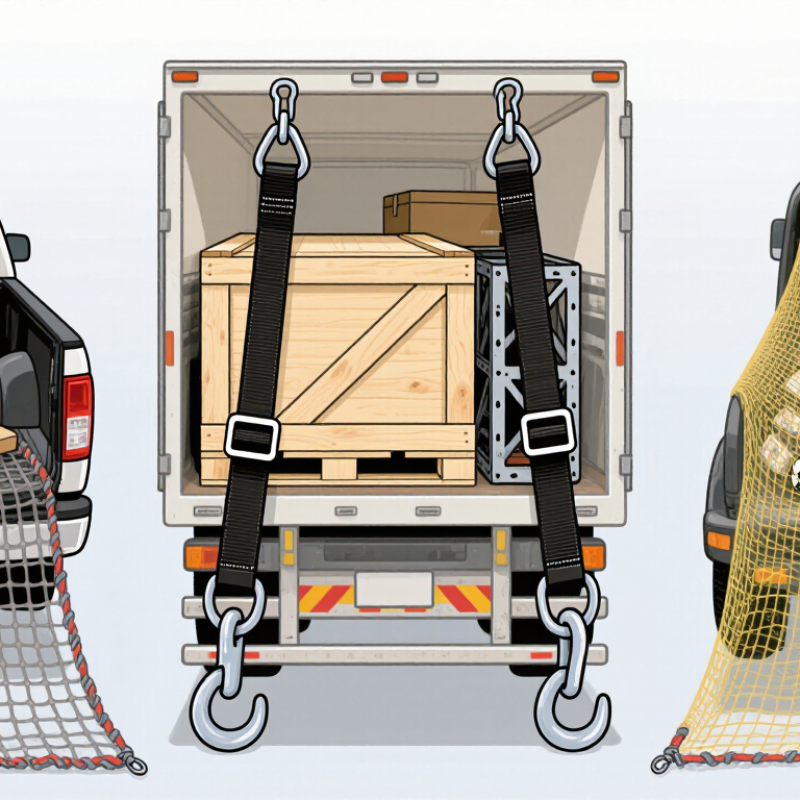
How Cargo Safety Nets Keep Loads Secure
What Are the Top Safety Cargo Net Types in 2026?
How Cargo Safety Nets Keep Loads Secure
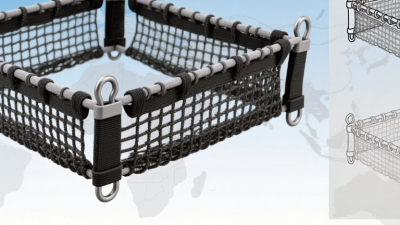
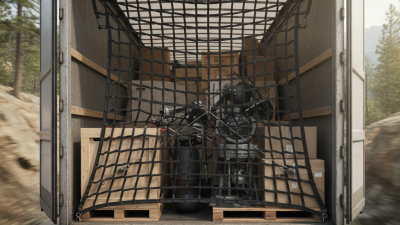
Cargo safety nets help contain loads when a vehicle brakes, turns, or hits uneven ground. Webbing nets suit bulky equipment and cartons; their broad straps spread pressure across contact points. Fine-mesh nets are better for small items that could slip through wider openings. Elastic nets conform to irregular shapes, but their stretch makes them a poor choice for heavy loads unless specifically rated for that use. Fit matters.
The Federal Motor Carrier Safety Administration’s Large Truck and Bus Crash Facts 2022 recorded 5,837 large trucks involved in fatal crashes. The report does not identify cargo nets as a cause or measure their effectiveness. It does underline the stakes of keeping loads controlled. A net works as part of a system: match its working-load rating to the cargo, inspect seams and hooks, and use sound anchor points. A net alone cannot make a weak attachment secure.
Tips: Lay the net flat, cover sharp edges, and check for slack after the first few miles. Replace damaged stitching or hardware. Small detail, big difference. It is easy to overestimate a net because it looks strong; verify the rating instead.
Top Cargo Safety Net Types and Load Securement
Mesh nets, webbing nets, and rope nets are common choices; select a net suited to the cargo and check its marked working load limit (WLL). The chart shows example minimum aggregate WLL calculations using the FMCSA requirement of at least half the cargo weight.
These are calculated examples, not net test results. The 50% requirement applies to the aggregate WLL of the securement system under U.S. FMCSA rules; a net counts only when properly rated and used for the load.
Main Types of Safety Cargo Nets Available in 2026
What Are the Top Safety Cargo Net Types in 2026?
Main Types of Safety Cargo Nets Available in 2026
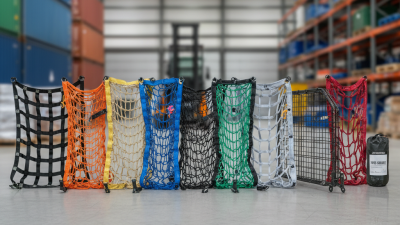
Cargo nets vary by mesh, material, and intended load. Woven webbing nets suit boxed goods and pallet loads; their broad straps spread pressure across flat surfaces. Knotted rope nets can contour around irregular equipment, though rough edges may wear the fibers. Fine-mesh nets help contain smaller items, while elastic nets are better for light, loosely packed loads. They stretch easily. That can also be a weakness. FMCSA’s Large Truck and Bus Crash Facts 2022 reports 5,936 large trucks involved in fatal crashes; it does not attribute these crashes to cargo nets. For securement, FMCSA’s 49 CFR §393.106 sets a combined tiedown working-load limit of at least half the cargo weight.
Lifting nets are a separate category: use them only when specifically rated for lifting, not as ordinary transport restraints. Check labels, stitching, mesh openings, and edge protection before use. A net that looks strong may still be damaged inside.
Tips: Match the net to the load’s weight, shape, and sharp edges. Check the rating and inspect for cuts or loose seams. Tighten evenly, then recheck after a short trip. Don’t guess.
Materials and Designs That Affect Net Performance
In 2026, a cargo net’s material and construction matter as much as its advertised strength. Polyester webbing generally offers low stretch and good outdoor durability, while nylon can flex under sudden movement. Polypropylene is lightweight, but prolonged sunlight and abrasion can shorten its useful life. Knotted mesh may be easier to repair; knotless designs can reduce snag points. Mesh openings should match the load: a small tool can slip through wide gaps, while overly tight mesh adds weight. Fit matters. So does wear.
Design details need evidence, not guesswork. The Federal Motor Carrier Safety Administration’s cargo-securement guidance requires the combined working load limit of tiedowns to be at least half the cargo’s weight. That figure applies to the securement system, not automatically to a net’s fabric rating. Check the rating for the complete assembly, including seams, edge webbing, hooks, and anchor points. The U.S. Bureau of Labor Statistics reported 1,942 fatal work injuries from transportation incidents in 2023, or 36.8% of all occupational fatalities. The figure is not specific to cargo nets, but it reinforces why load restraint deserves careful inspection.
Tips: Match the net to the cargo shape and anchor layout. Check labels, stitching, and connection points before each use. Replace nets with cuts, brittle fibers, or distorted hardware. A neat fit helps. It is not proof of strength.
Choosing a Net for Different Cargo and Transport Needs
What Are the Top Safety Cargo Net Types in 2026?
Choosing a Net for Different Cargo and Transport Needs
The right cargo net depends on the load, vehicle, and journey. Fine-mesh nets help contain loose, lightweight items in vans or pickup beds. Heavy-duty webbing nets suit palletized cartons and equipment on trailers. For mixed, irregular loads, adjustable nets can cover gaps, but mesh size and edge strength matter. Fit matters. Check the net’s working load limit and anchor points against the cargo and vehicle instructions; a strong net attached to weak anchors is still a weak restraint.
CVSA’s 2023 International Roadcheck report found that 19.3% of inspected commercial vehicles were placed out of service. This figure covers vehicle violations broadly, not cargo nets specifically. Still, it reinforces the value of checking restraint equipment before departure.
For long-haul or rough-road trips, inspect webbing for cuts, worn stitching, and sharp-edge damage. For short urban trips, easy access may matter more, but convenience should not replace a secure fit. One caveat: elastic nets can keep light items in place, yet should not be assumed to restrain heavy cargo unless their rating and attachment system are suitable. Recheck after loading; shifting cargo can loosen a net.
Safety Standards, Inspection, and Proper Use of Cargo Nets
Cargo nets differ in material, mesh size, and stretch. Knotted rope nets can contain bulky loads, while woven webbing nets offer broad contact across boxes and equipment. Elastic nets suit lighter items that need a snug hold, but their stretch can disguise movement. Good fit matters. Select a net with a clearly stated working load limit and dimensions that match the cargo, not just the vehicle.
Before loading, check the net’s label and instructions for its rated capacity and intended use. Inspect every edge, seam, hook, and connection point. Frayed strands, cracked fittings, stiff or brittle webbing, and pulled stitching are reasons to remove a net from service. Look closely. Dirt can hide wear, and a quick glance may miss damage near a hook. I have seen small edge cuts become larger after repeated tension; replace damaged gear rather than guessing.
Secure the net to suitable anchor points, then spread it evenly over the load. Hooks should sit fully in place, and no sharp corner should press directly against the mesh. Follow the applicable safety requirements and the net maker’s instructions, since ratings and test methods can vary. Recheck tension after the load settles and during a journey when conditions allow. A net can still shift if the cargo is poorly arranged, so inspection alone is not enough.