

Inquiry
Form loading...
-
Phone
-
E-mail
-
Whatsapp
-
WeChat

For pallet buyers, the edge is not a minor detail. It is where deckboards meet loads, fork contact, and repeated impacts. A weak or poorly designed Pallet Edge can split under a concentrated load, catch on handling equipment, or leave goods less stable during movement. These problems may start with a small gap or a rough corner. They can end in damaged products and avoidable replacement costs.
The scale makes careful assessment worthwhile. The 2016 U.S. pallet market study by Virginia Tech and the National Wooden Pallet and Container Association estimated that about 849 million new wood pallets were produced in the United States that year, with roughly 1.8 billion in circulation. Those figures describe a large, heavily reused system—not a guarantee that any one pallet design will suit your operation. Still, I would not treat a market average as a buying rule. Load shape, rack support, handling method, and edge wear all matter.
Dr. Marshall White, a Virginia Tech pallet-design expert, has contributed extensively to research on pallets and unit loads. A practical paraphrase of that work is: “Treat every edge as a load-bearing decision.” Not a verbatim quotation, but a useful reminder. Buyers should inspect edge boards for cracks, protruding fasteners, uneven overhang, and signs of repeated impact. Small details matter. Ask suppliers how the edge is built, tested, and repaired, then check it against your actual loads and equipment. A neat-looking edge can still fail; I have seen specifications miss that point.
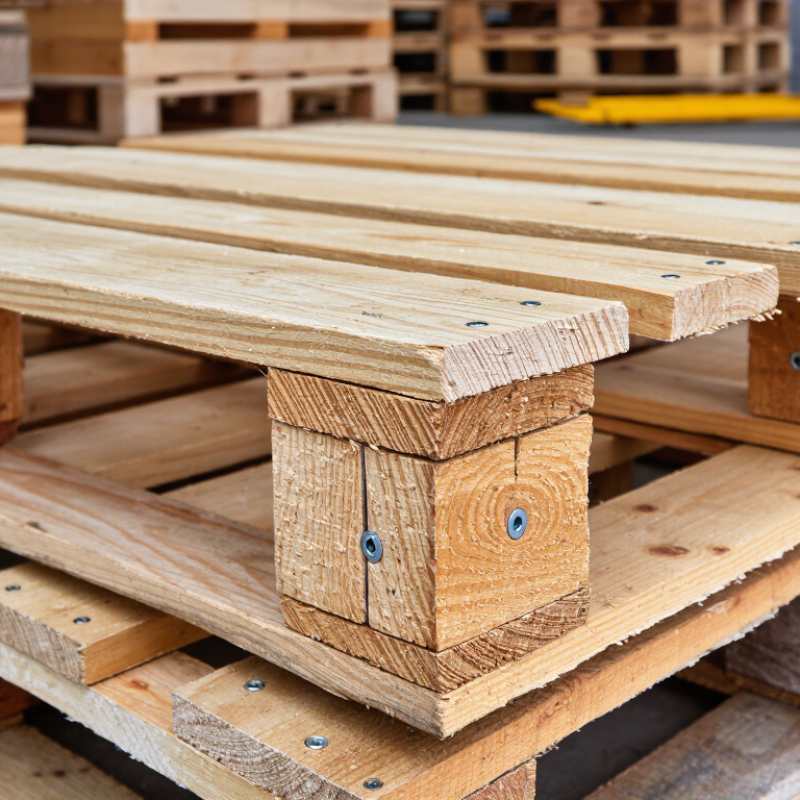
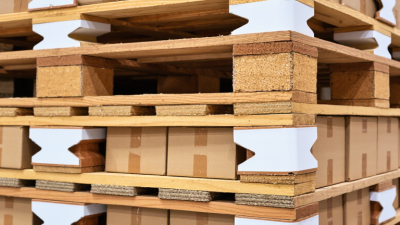
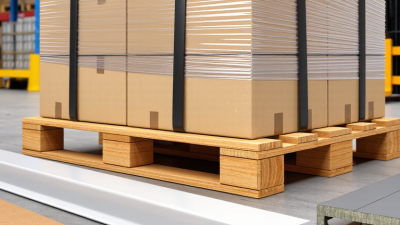
A pallet edge is the outer boundary of its deck, usually formed by the end or side boards. These boards sit across the supporting stringers or blocks and help define the load area. They are not just a visual border. Forks, straps, and neighboring pallets may contact them during handling.
Construction starts with boards cut to the pallet’s specified length and thickness. The outer boards are positioned at the perimeter, then fastened to the supports with nails or other suitable fasteners. Their spacing and placement affect how well the deck supports a load near its edge. Small details matter. A board that sits too far inward can leave a narrow, unsupported margin; one that overhangs may catch or split when struck. The best arrangement depends on the pallet design, materials, and intended load.
Buyers can check whether edge boards look straight, sit firmly, and show no obvious cracks around fasteners. A clean edge is useful, but appearance alone cannot confirm capacity. Ask for the pallet’s load rating and intended use. I would not assume every pallet needs a perfectly flush perimeter; practical designs vary, and that judgment deserves a closer look.
| Edge Feature | What It Is and How It Is Constructed | Why It Matters to Buyers | What to Check |
|---|---|---|---|
| Perimeter deckboards | The outermost boards on the top or bottom deck form the pallet’s perimeter. They are fastened to the supporting stringers or blocks, just like the other deckboards. | These boards help support loads near the pallet boundary and are exposed to knocks during handling. | Look for secure attachment, sound wood, and no splits or missing sections that could reduce support. |
| Flush or overhanging edges | A deckboard edge may align with the outside face of the pallet structure or extend beyond it. The chosen layout depends on the pallet design and intended handling requirements. | Edge geometry affects the pallet’s overall footprint, how loads sit on the deck, and the risk of board damage during contact. | Confirm the specified overall dimensions and whether the load or handling equipment requires flush edges or an overhang. |
| Chamfered or rounded corners | Some pallets have corners or board edges cut at an angle or eased to remove sharp edges. This is a design choice, not a feature found on every pallet. | Eased edges can reduce sharp projections and may help when pallets are handled close together, but they do not replace careful handling. | Check that the edge treatment is consistent with the specification and does not leave splinters or weaken the board. |
| Fasteners at the perimeter | Nails or other specified fasteners connect the deckboards to the pallet’s supporting components. Placement and quantity vary with the pallet design and load requirements. | Loose, missing, or protruding fasteners can contribute to board separation, product damage, or handling hazards. | Inspect for secure joints, protruding nail heads or points, and damage around fastener locations. |
| Edge condition and board quality | Perimeter boards may be solid lumber or another specified pallet material. Their condition depends on material quality, manufacturing, use, and storage. | Cracks, severe splintering, decay, or impact damage at the edge can affect safe handling and the pallet’s service life. | Assess the pallet’s intended load and use; reject or repair units with damage that compromises safe support or handling. |
| Notched stringer edges | Some stringer pallets have openings cut into the stringers to allow forklift entry from additional sides. Notches are part of the structural design and are not present on every pallet. | Notch location and size influence forklift access and can affect the supporting structure. | Verify entry direction and equipment compatibility, and check that notch areas are not split or excessively damaged. |
| Edge fit with the unit load | The pallet perimeter should suit the footprint and arrangement of the goods. Loads may be flush with the pallet edge or extend beyond it, depending on the packaging and handling plan. | Poor alignment can expose goods to impacts or leave parts of the load inadequately supported. | Compare pallet dimensions with the product footprint, packaging, storage layout, and transport requirements. |
Pallet edge details vary by design and intended use. Confirm dimensions, materials, and performance requirements in the purchase specification.