7 Best Slip Sheets for Shipping and Palletizing
Slip Sheets can replace conventional pallets in some shipping and palletizing operations. They are thin platforms, often made from paperboard or plastic, that support unitized loads. Choosing one is not just a matter of price. Load weight, product stability, storage conditions, and handling equipment all affect performance. Small details matter. A slippery surface may help a push-pull attachment move a load, but it can also make careful stacking more important. Moisture can change how some paper-based sheets perform. The right choice depends on the job.
This guide compares seven Slip Sheets for different shipping needs, from lighter cartons to demanding industrial loads. It considers material, thickness, dimensions, edge design, and compatibility with warehouse equipment. Product specifications are useful, but they do not tell the whole story. A sheet that works well with one load or forklift setup may disappoint with another. Check the supplier’s rated capacity and confirm that your handling equipment can grip and move the sheet. When possible, test a sample under normal warehouse conditions. That step can reveal problems a clean specification sheet misses. There is no perfect option for every operation, and even a well-matched sheet may need adjustment after real-world use.
Understanding Slip Sheets and Their Role in Shipping
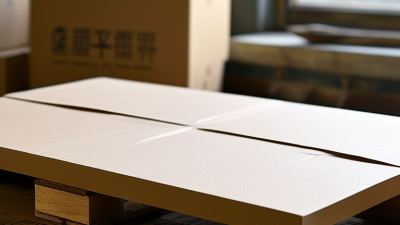
A slip sheet is a thin, flat platform placed beneath a unitized load. It can replace a wooden pallet during transport or storage, reducing tare weight and freeing space when empty pallets would otherwise accumulate. Common materials include treated paperboard and plastic. The right choice depends on load weight, moisture exposure, and how many times the sheet will be handled.
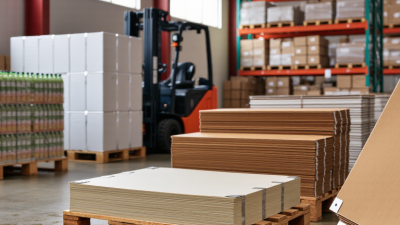
A slip sheet needs compatible equipment, usually a forklift fitted with a push-pull attachment. The attachment grips a projecting tab, draws the sheet and load onto a platen, then pushes them into place. Without that equipment, a standard forklift cannot handle the sheet like a pallet. That matters. Before switching, confirm that the warehouse, carrier, and receiving site can manage the same loading method.
For stable shipping, keep cartons evenly arranged and avoid loads that overhang the sheet. Inspect the tab for tears and the surface for dampness or buckling; small defects can become bigger problems during repeated handling. Plastic may suit wet conditions, while paperboard can be lighter and easier to recycle where facilities accept it. This is not a perfect swap. A slip sheet can lower material use, but it may slow handling if workers lack practice or the load shifts easily.
Comparing Slip Sheet Materials and Load Requirements
Choosing a slip sheet starts with the load, not the material label. Record the pallet footprint, total weight, stack height, and how often the load will move. A 400-kilogram carton load with sharp bottom edges behaves differently from evenly packed bags. Small details matter.
Corrugated paper sheets are light and easy to recycle, but moisture can soften them and reduce grip. Solid-fiber sheets often resist edge damage better, though they may add cost and weight. Plastic sheets tolerate damp storage and repeated handling, but need a return or recovery plan. Engineered composite options can balance stiffness and low weight; performance varies by construction. Not always.
For heavy or tall loads, check sheet stiffness, friction, and tab strength against the push-pull attachment used at the dock. Slippery, film-wrapped cartons may shift even when the sheet is strong. Ask suppliers for load data, then trial the actual package through turns, stops, and stacking. A short test can reveal curled corners or torn tabs. I would not choose by weight rating alone; floor conditions and operator technique can change the result.
Seven Slip Sheet Options for Shipping and Palletizing
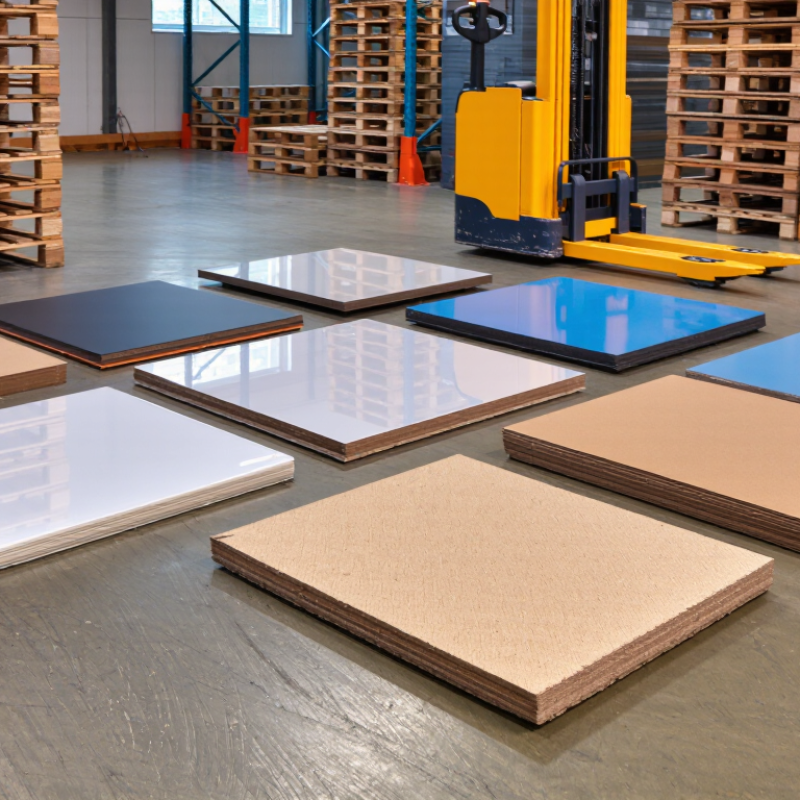
Seven slip sheet options suit different shipping conditions. Standard kraft paperboard is economical for dry, stable loads. High-strength laminated paper handles heavier cases. Corrugated fiberboard adds cushioning for fragile cartons. Reusable plastic sheets resist moisture and repeated handling. Anti-slip coated sheets help stabilize smooth-bottomed cartons. Moisture-resistant treated fiber works in humid routes, though coatings may limit recycling. Reinforced or custom-sized sheets support oversized loads and tight pallet patterns. There is no universal winner.
Match the sheet to load weight, carton friction, humidity, and unloading equipment. Push-pull attachments need a strong, accessible lip; fork handling alone may not suit every sheet. The US EPA’s 2018 materials report recorded 32.1 million tons of corrugated boxes recycled from 33.3 million tons generated. That figure is not a slip-sheet recycling rate, but it indicates established recovery pathways for fiber packaging. Confirm local acceptance before choosing treated paper. Test with the actual load.
Tips: Check sheet edges for tearing after a trial shipment. Test before scaling. A few damaged cartons can outweigh a small material saving.
Comparing seven slip sheet options
Typical thickness varies by material and product specification. These indicative ranges are for comparison only; select a slip sheet based on load, handling equipment, and shipping conditions.
Choosing a Slip Sheet for Your Handling Equipment
A slip sheet is only useful when the handling equipment can grip and move it reliably. Check whether your forklift has a compatible push-pull attachment, and confirm the attachment’s capacity with the loaded unit. A standard fork alone may not retrieve a sheet securely. Fit matters more than appearance.
Match the sheet’s dimensions to the load, leaving enough exposed edge for the gripper to engage. Paper sheets can suit dry, stable loads; plastic may better tolerate moisture or repeated use. But slick surfaces can let cartons shift. Test the actual load, not an empty sample. Include turns, dock plates, and the first pull from a tightly packed trailer in the trial.
Equipment choice also affects safe handling. OSHA estimates that powered industrial truck incidents cause about 85 workplace deaths and 34,900 serious injuries annually in the United States. Its powered industrial truck guidance emphasizes operator training and safe operating practices. Those figures are not slip-sheet-specific, but they underline why a rushed retrofit deserves scrutiny. Record pull force, load movement, and damaged edges during trials. One awkward retrieval can outweigh a small material saving. The data may still miss your warehouse’s quirks. Check again after changing load height or packaging.
Using and Storing Slip Sheets Safely and Efficiently
A slip sheet works only when the load, sheet, and handling equipment are compatible. Check each sheet for tears, curled corners, or soft spots before loading; even a small defect can spread under a heavy carton stack. Keep the load centered and square, with no boxes hanging beyond the edges. Use a suitable push-pull attachment, and make sure operators know how to grip and release the sheet without jerking the load. Move slowly over dock plates and uneven floors. Sudden turns can shift cartons.
Keep sheets flat, dry, and away from direct heat. Moisture can weaken paper, while prolonged pressure on a poorly stacked pile may leave sheets bent. Store them on a clean, level surface, protected from dust and forklift traffic. Keep different sizes clearly separated, and take sheets from the top without dragging them across rough floors. That simple habit prevents scuffs and wasted stock. Small details matter. In practice, storage areas are often tighter than planned, so it is worth checking that piles do not block walkways or emergency access. Inspect reusable sheets after each trip, and set aside any that no longer hold their shape. A borderline sheet may look usable, but trusting it can cost more than replacing it.