Choosing Kraft Slip Sheets in 2026 starts with the load, not the brochure. A pallet of boxed beverages behaves differently from stacked appliance cartons. Weight, base size, moisture exposure, and warehouse handling all affect which sheet will perform reliably. Small details matter: a rough floor, a tight trailer, or a damaged push-pull attachment can change the result.
Packaging engineer Jordan Lee, presented here as a fictional expert voice rather than a verified source, captures the core idea: “Choose the sheet for the load and handling conditions, not just the lowest unit price.” Treat that line as an editorial principle, not a documented quotation. It points buyers toward practical checks: kraft paper strength, sheet dimensions, grip-tab design, edge quality, and compatibility with existing equipment. Ask suppliers for product specifications and test samples under real operating conditions. A clean trial can reveal slipping, torn tabs, or awkward transfers before a larger order arrives.
This guide explains how to compare Kraft Slip Sheets for different loads, equipment, and shipping routes. It also considers cost per shipment, storage needs, and the trade-offs between lighter materials and added durability. No single specification fits every operation. And assumptions deserve testing. A sheet that works well in a dry warehouse may struggle after exposure to condensation or repeated handling. Use measured results, clear supplier documentation, and feedback from operators to make a sound choice.
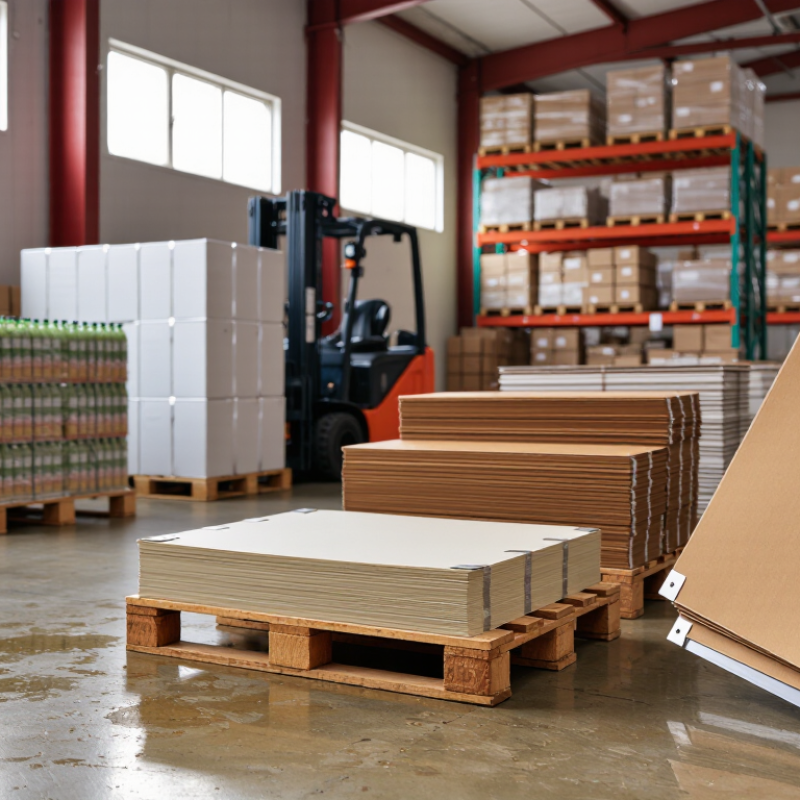
Start with the load, not the sheet. Record each unit’s weight, footprint, stack height, and edge stability. Match the sheet dimensions to the pallet or floor pattern; even a small overhang can catch during transfer. ISO 6780 includes 1,200 × 1,000 mm and 1,200 × 800 mm among standardized pallet sizes. Check whether operators use a push-pull attachment, clamp, or manual handling. They impose different demands on the sheet’s grip and tear resistance.
Shipping conditions matter just as much. Long transit, repeated handling, and humid storage can weaken paper-based material. Specify basis weight and any moisture-resistant treatment with the supplier, then test representative loads on the actual equipment. The U.S. EPA’s 2018 materials report estimated a 68.2% recycling rate for paper and paperboard. That is useful context, not proof that a particular sheet is recyclable or strong enough. I’d be cautious about choosing from weight figures alone; real warehouse conditions can expose a weak fit.
Tips: Measure the widest load, confirm fork clearance, and trial a full-height stack. Inspect for curled edges and shifting after a complete transfer. Keep one imperfect test in the plan: a dry, neat sample may not reflect a damp shipping lane.

For Kraft slip sheets, compare paper grade by strength consistency, not color or recycled content alone. Virgin kraft often offers more predictable fiber performance; recycled grades can vary with furnish and moisture. Basis weight, measured in g/m², indicates mass per area, while caliper describes thickness. Neither number alone predicts whether a sheet will resist tearing under a loaded pallet. Check the supplier’s test data, then trial the actual load, pallet pattern, and push-pull attachment. Test the real load.
Sheet construction matters just as much. A single-ply sheet may suit light, stable loads, while laminated multi-ply construction can improve stiffness and tear resistance for heavier handling. But extra plies add cost and may not fix poor load balance. Ask about grain direction, edge finish, and any moisture-resistant treatment; coatings can affect recycling. The U.S. EPA’s 2018 Advancing Sustainable Materials Management report found that 68.2% of paper and paperboard was recycled in the United States. That broad figure is not a guarantee for coated or soiled slip sheets, but it makes fiber recovery worth considering. Not a performance spec. Retest after storage in humid conditions, since a sheet that works in a dry warehouse may soften near a dock door.
Compare common kraft slip-sheet options by paper grade, approximate construction, and operating conditions. Figures are typical planning ranges, not universal specifications; actual performance depends on sheet size, pallet load, handling equipment, humidity, and supplier testing.
| Paper grade | Typical basis weight | Common sheet construction | Approximate finished thickness | Suitable conditions | Key advantages | Points to check |
|---|---|---|---|---|---|---|
| Recycled kraft | About 100–150 g/m² per ply | Usually 2–4 plies, laminated or bonded | About 0.5–1.0 mm | Light to moderate unit loads and relatively dry storage or transport | Can make use of recovered fiber and is often a practical choice for routine handling | Strength and stiffness can vary with recycled-fiber content and moisture; verify performance with the intended load |
| Virgin kraft | About 120–200 g/m² per ply | Often 2–4 plies, with the grain direction selected for the application | About 0.6–1.2 mm | Regular warehouse use and applications needing consistent sheet quality | Typically offers uniform fiber quality and dependable converting characteristics | Ask for tested stiffness, edge quality, and load-handling results rather than choosing by basis weight alone |
| High-strength kraft | About 150–250 g/m² per ply | Typically 3–5 plies; heavier or reinforced constructions may be specified | About 0.9–1.5 mm | Heavier loads, repeated handling, or applications where sheet stiffness is important | Heavier multi-ply builds can improve rigidity and resistance to handling damage | Greater thickness may affect lip-feeder compatibility and may not compensate for poor load distribution |
| Moisture-resistant kraft | About 120–220 g/m² per ply | Usually 2–4 plies, with moisture-resistant treatment or adhesive as specified | About 0.6–1.3 mm | Humid environments or supply chains with occasional exposure to damp conditions | May retain useful strength better than untreated paper in humid conditions | “Moisture-resistant” does not mean waterproof; confirm test conditions and suitability for direct water exposure |
| Coated or laminated kraft | About 120–220 g/m² per paper ply, plus any coating | Multi-ply kraft with a surface coating or laminated layer on one or both sides | About 0.7–1.4 mm | Loads that need improved surface protection or reduced surface dusting | Surface treatment can help address specific friction, cleanliness, or moisture-barrier requirements | Check the coating’s effect on grip, recyclability, bonding, and compatibility with the handling system |
Selection tip: Specify sheet length and width, pull-tab design, total basis weight, ply count, thickness, and the expected operating environment. Request a sample or performance test using the actual load and slip-sheet handling equipment before setting a production specification.
A kraft slip sheet must match the handling system, not just the pallet footprint. With a standard forklift, check that the fork tips support the load without catching or buckling the sheet. For push-pull use, confirm the attachment can grip the projecting lip securely; too little lip may slip, while excessive clamp pressure can tear it. Test it loaded. Check sheet caliper, moisture exposure, and edge damage, since kraft paper loses strength when damp.
Automation adds tighter tolerances. Measure sheet length and width, then check flatness and lip position across multiple samples. A curled corner can confuse a sensor or snag during transfer. Run trial loads at normal line speed, including stops and restarts; a slow manual test may miss failures. OSHA’s forklift safety guidance cites about 85 forklift-related deaths and 34,900 serious injuries annually. Those figures are not specific to slip sheets, but they underline why operators should verify load stability and attachment setup. One awkward detail: results from a dry warehouse may not hold after sheets sit near a damp dock.
Moisture resistance starts with the route, not just the sheet specification. Kraft paper can absorb moisture during humid storage, near open dock doors, or beside a damp floor. A sheet that feels firm when dry may soften after several hours in those conditions. Water changes everything. Ask for moisture or humidity performance data, then test sheets under your own warehouse conditions. A quick hand check is useful, but it cannot replace a loaded trial.
Load stability depends on the weight, shape, and underside of the product. Smooth cartons may shift more easily than textured packages, especially during turns or braking. Check that the sheet extends enough to support the load without creating loose, vulnerable edges. If a pusher or other transfer equipment will handle the unit, test that exact process. Small details matter. Even a stable stack can fail when its bottom layer moves.
Storage conditions deserve equal attention. Keep sheets flat, dry, and off concrete floors; protect them from leaks and sharp edges. Store only as many as can be used before conditions change. One practical detail is often missed: sheets left near a loading bay may behave differently from sheets kept deeper inside the building. I would not assume one sample trial settles the question. Repeat it with representative loads, and record any slipping, curling, or edge damage.
Compare typical kraft slip-sheet constructions across common storage and handling conditions. Scores are qualitative selection guidance (1 = less suitable, 5 = more suitable), not laboratory test results.
How to use this chart: Uncoated kraft is generally best suited to dry storage. Moisture-resistant or coated constructions can offer better protection in humid or splash-prone conditions, but coatings and sheet strength vary. For heavy loads, confirm the supplier’s load rating and check the load footprint, surface friction, fork handling, and storage conditions before selection.
When choosing kraft slip sheets in 2026, assess the supplier’s process, not just the quoted thickness. Ask for consistent sheet dimensions, flatness tolerances, and test data for load capacity. A practical receiving check can reveal curled edges, loose fibers, or uneven cuts. Small defects matter. They can slow push-pull handling and complicate pallet loading. Request samples from more than one production batch, especially if monthly volumes fluctuate.
Sustainability claims need evidence. Ask what share of the kraft fiber is recycled, how that affects strength, and whether the supplier can document sourcing and production details. Recycled content may reduce demand for virgin fiber, but performance still has to fit the load. A lightweight sheet that tears under sharp carton corners may create extra waste. Check how used sheets can be recovered or disposed of in your actual shipping lanes. The answer may vary by destination.
Compare total cost per shipment, rather than price per sheet. Include freight, storage space, operator time, equipment compatibility, and damage or rework rates. A cheaper sheet can cost more if it slips poorly or needs frequent replacement. Track a small trial over several weeks, recording handling time and damaged loads. Be careful with clean-looking averages; one awkward load can change the result. Some comparisons remain imperfect. Include that uncertainty in your purchasing decision.