Inquiry
Form loading...

What Are the Top Cargo Load Bar Options for Global Buyers?

Global freight movement is becoming more demanding, and cargo restraint decisions now affect safety, delivery quality, and operating cost. UNCTAD’s Review of Maritime Transport 2024 reported that maritime trade grew by about 2.4% in 2023. The WTO also forecast merchandise trade volume growth of 2.6% for 2024. These figures point to continued pressure on warehouses, trailers, and distribution networks. Small restraint choices matter.

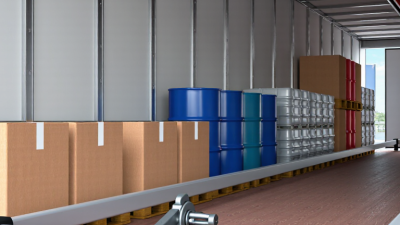
A Cargo Load Bar helps stabilize cartons, drums, pallets, and irregular freight inside enclosed vehicles. However, the best option depends on load weight, wall design, bar length, surface friction, and handling frequency. Steel bars offer strong resistance for demanding routes. Aluminum models reduce handling effort. Ratchet bars provide adjustable tension, while E-track-compatible systems support repeatable positioning. Some buyers prefer rubber feet for painted walls and mixed cargo. Practical details matter.

This guide compares the top Cargo Load Bar options for global buyers, using transport data and recognized safety guidance. The U.S. Federal Motor Carrier Safety Administration emphasizes adequate cargo securement and appropriate working load limits. EN 12195-1 also provides a useful European reference for calculating restraint forces. A stronger bar is not always safer. Poor placement can still allow movement. That assumption can fail. Buyers should verify ratings, test documentation, replacement parts, and supplier experience before ordering. Product photos rarely reveal everything. A bar may look robust but fit badly, bend under repeated use, or lose grip in a cold trailer. This comparison keeps those less visible risks in view.
What Are the Top Cargo Load Bar Options for Global Buyers?

What Is a Cargo Load Bar and How Does It Secure Freight?

What Are the Top Cargo Load Bar Options for Global Buyers?

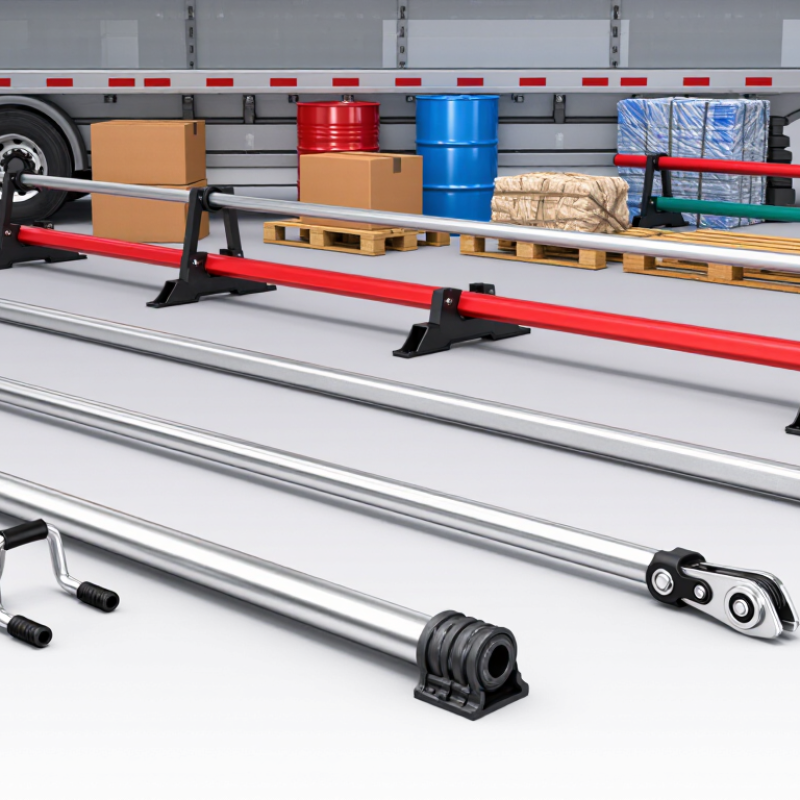
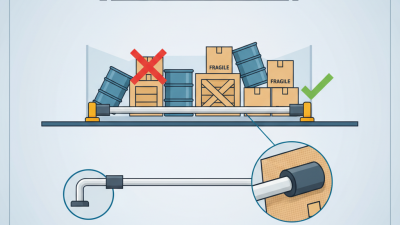
A cargo load bar is an adjustable steel or aluminum beam placed between trailer walls. It presses against cartons, pallets, or crates, reducing forward and sideways movement during transport. Ratcheting bars create stronger tension than simple spring-loaded models. Some designs fit logistics tracks, while others use rubber feet against smooth walls.

The Federal Motor Carrier Safety Administration requires cargo securement systems to provide a working load limit of at least 50% of the cargo’s weight. A load bar supports this system, but it should not replace straps, blocking, or proper weight distribution. The bar must contact firm surfaces. Soft packaging can slowly compress.

That detail matters.

The 2023 World Bank Logistics Performance Index collected responses from 4,090 supply-chain professionals across 139 countries. Its findings highlighted shipment reliability and visibility as continuing logistics weaknesses. A loose bar can worsen both problems by causing damage, delays, or unexplained inventory movement. CVSA’s 2024 International Roadcheck also listed cargo securement among inspected safety concerns.

Global buyers commonly compare load bars by capacity, corrosion resistance, adjustment range, and replacement-part availability. Steel handles heavier loads, while aluminum reduces handling fatigue. Rubber end pads improve grip, though they can wear faster in cold or dirty trailers.

One practical flaw remains: published capacity may assume ideal contact. Real trailers are rarely ideal. Buyers should test the bar with actual wall spacing, packaging pressure, and route vibration before large-scale purchasing.
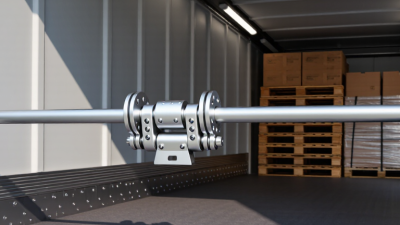
Which Cargo Load Bar Types Suit Different Transport Needs?

Steel cargo load bars suit heavy pallets, machinery, and rough distribution routes. They resist bending when positioned across strong trailer walls. However, steel adds weight and may increase handling fatigue during repeated loading.

Aluminum bars work well for air freight, parcel trucks, and frequent warehouse transfers. They are lighter, easier to adjust, and less tiring to carry overhead. Ratchet load bars provide quick tension for mixed cartons and uneven cargo. Shoring bars with wider contact pads can divide a trailer into sections, helping prevent cartons from sliding sideways. Some loads need E-track-compatible bars for flexible placement. Others need fixed-width support. Choosing the wrong type can create movement, even when the bar appears tight. That detail is often underestimated.

Tips: Measure the vehicle interior first. Check bar length, tube diameter, pad grip, and working load limit. Test the adjustment mechanism with gloves before shipment. Inspect welds, pins, rubber pads, and corrosion marks regularly. A bar should hold firmly without crushing cartons. Do not rely on tension alone when cargo needs blocking, edge protection, or additional restraint. Keep a small allowance for temperature changes and packaging compression.###

How Do Materials and Design Affect Load Bar Performance?

Global buyers should compare cargo load bars by material, working load, and adjustment design. Steel bars provide high rigidity and resist bending under demanding transport conditions. They are suitable for heavy pallets, but they add weight and may corrode in humid environments. Aluminum bars are lighter and easier for drivers to position inside trailers. However, their lower stiffness can reduce performance when cargo pressure is uneven. Composite bars resist moisture and surface damage, yet their quality depends heavily on manufacturing consistency.

Design affects safety as much as material. A bar with a wide contact foot spreads force across the trailer wall. Textured rubber pads can improve grip without marking painted surfaces. Telescoping sections should lock firmly and show clear adjustment positions. A spring mechanism helps maintain pressure, but excessive spring travel may hide poor cargo placement. I would check the working load at the exact extension length, not only the maximum advertised value.

During inspections, look for bent tubes, cracked welds, worn handles, and hardened pads. Small damage can become serious during sudden braking. Shorter bars often feel stronger because they flex less. That detail is easy to overlook. Buyers should match bar length with interior width and confirm compatibility with existing wall tracks. Product data should identify test methods, rated capacity, coating type, and temperature limits. I remain cautious about universal claims. A bar that performs well in a dry warehouse may behave differently after repeated loading, vibration, and winter exposure. Load testing and documented inspections are still necessary.

What Are the Top Cargo Load Bar Options for Global Buyers?
How Do Materials and Design Affect Load Bar Performance?
Load Bar Option Primary Material Typical Construction Adjustment Method Typical Weight Typical Rated Capacity* Material and Design Effect Best-Fit Applications
Steel Ratchet Load Bar Powder-coated or zinc-plated steel Telescoping steel tubes with a ratchet tensioning mechanism Lever-operated ratchet with incremental locking Approximately 6–12 kg, depending on length and tube size Often about 500–1,000 daN; confirm the product label and test documentation Steel provides high stiffness and impact resistance. Ratchet mechanisms generally create stronger, more consistent tension than simple cam locks, but add weight and may corrode if surface protection is damaged. Heavy palletized goods, freight vans, box trucks, and demanding road transport
Aluminum Cam-Buckle Load Bar Extruded aluminum alloy with steel or polymer hardware Lightweight telescoping tubes with a cam or lever lock Spring-loaded cam buckle or quick lever lock Approximately 3–7 kg, depending on length and profile Commonly about 250–600 daN; the actual rating depends strongly on profile and contact conditions Aluminum reduces lifting effort and resists atmospheric corrosion, but it is generally less stiff than steel at the same size. Cam locks are fast to operate but normally provide less mechanical advantage than ratchets. Parcel distribution, mixed loads, frequent handling, and vehicles where low equipment weight matters
Steel Screw-Expansion Load Bar Tubular steel with threaded adjustment components Fixed or telescoping bar using a screw spindle for expansion Manual threaded expansion with locking handle Approximately 5–10 kg Frequently about 300–800 daN; verify the declared working load for the exact model The screw mechanism allows precise pressure adjustment and is less likely to release suddenly when properly locked. It is slower to install and requires clean, undamaged threads. Regular routes requiring repeatable positioning and controlled pressure against side walls
Cargo Bar with Rubber Foot Pads Steel or aluminum bar with rubber or thermoplastic contact pads Telescoping bar with pivoting, high-friction end feet Ratchet, cam, or screw adjustment Approximately 4–10 kg Usually about 250–800 daN, depending on the bar and the wall interface Large, pivoting pads improve contact on slightly uneven surfaces and reduce localized wall damage. Friction depends on pad material, cleanliness, surface condition, and applied pressure. Fragile or packaged cargo, smooth vehicle panels, and mixed freight requiring reduced surface marking
Track-Compatible Load Bar Steel or aluminum bar with positive locking end fittings Telescoping bar designed to engage horizontal or vertical cargo tracks Spring-loaded pins, trigger locks, or ratchet tensioning Approximately 4–9 kg Often about 300–700 daN; the track, fittings, and loading direction can limit the system rating Positive mechanical engagement is more repeatable than friction-only contact. Performance depends on compatible track dimensions, secure pin engagement, and the strength of the vehicle structure. Trailers, aircraft-style cargo systems, refrigerated bodies, and vehicles with installed load tracks
Heavy-Duty Cargo Shoring Bar High-strength steel, often with reinforced joints and broad feet Large-diameter telescoping sections with reinforced locking components Heavy ratchet or screw-expansion system Approximately 8–16 kg May exceed 800 daN, but only the manufacturer’s tested rating should be used for cargo planning Reinforced tubes and joints improve resistance to bending and repeated loading. The higher mass increases handling demands, so ergonomic handles and secure storage are important. Dense pallets, industrial components, beverage loads, and high-volume commercial transport
Telescoping Bar with Protective End Covers Steel or aluminum core with molded polymer covers Multi-position telescoping tube with cushioned, replaceable end covers Pin lock, cam lock, or ratchet mechanism Approximately 4–10 kg Commonly about 250–700 daN; protective covers do not increase the structural rating Covers help prevent scratches and distribute pressure, but worn, hardened, oily, or damaged covers reduce grip. The structural tube and locking mechanism still determine the main load capacity. Retail deliveries, finished goods, painted surfaces, and operations focused on cargo and vehicle protection
Important selection note: The capacity figures above are indicative market ranges rather than universal ratings. A load bar is a cargo-shoring device, and its performance depends on the bar length, tube profile, locking mechanism, end-pad friction, vehicle-wall or track strength, cargo position, vibration, and installation. Always use the declared working load limit and operating instructions for the exact product, inspect the bar before use, and do not treat it as a substitute for legally required tie-down systems.

What Features Should Global Buyers Compare Before Purchasing?

Global buyers should compare cargo load bars by verified performance, not appearance. The World Bank’s 2023 Logistics Performance Index collected 4,090 evaluations across 139 economies, showing how uneven transport conditions can be. A bar that works well in a dry warehouse may fail faster on humid routes. Check the working load limit, adjustable length, tube strength, and end-fitting grip. Require test certificates with batch numbers. “Heavy-duty” alone proves little.

Material choice deserves close attention. Powder-coated steel offers strong resistance to bending, while aluminum reduces handling weight. Rubber or polymer feet should maintain friction on painted, dusty, and slightly wet surfaces. Ask for temperature ranges and corrosion-test results. An experienced warehouse team should test the bar against real pallet heights, not only catalogue dimensions. Small clearance changes matter. Too much pressure can damage packaging or trailer walls.

Buyers should also compare locking consistency, release safety, storage design, and inspection access. The International Transport Forum reported that road freight remains central to global goods movement, making repeated loading cycles a practical concern. A bar used dozens of times each week needs visible wear indicators and replaceable contact pads. It should supplement approved restraint methods, not replace them. I would also question unusually low prices. They may reflect thinner tubing, weaker springs, or incomplete testing. No specification sheet can remove every field risk.

How Can Buyers Verify Quality, Compliance, and Supplier Reliability?

Choosing cargo load bars requires more than comparing prices. Common options include steel bars for high resistance and aluminum bars for lower vehicle weight. Ratcheting bars offer fast tensioning, while adjustable beams fit different trailer widths. In practical inspections, I check welds, end fittings, locking teeth, and rubber pads. A loose handle or uneven pad can damage freight during braking. Small defects matter.

Quality verification should begin with test evidence, not promotional claims. Ask for rated working load limits, breaking-load results, material grades, and dimensional drawings. Confirm testing against relevant cargo-securement standards, such as EN 12195-1 or applicable regional transport rules. UNCTAD’s Review of Maritime Transport 2023 reports that over 80% of global merchandise trade by volume moves by sea. That exposure makes traceable, durable equipment important across long transit chains. The World Bank’s 2023 Logistics Performance Index also emphasizes reliability, tracking, and shipment timeliness. A supplier should support these needs with batch numbers, inspection records, and clear replacement procedures.

Tips: Request a sample before a volume order. Measure the bar inside an actual trailer. Test it with gloves and realistic cargo pressure. Check whether certificates identify the factory and test date. Audit response time with difficult questions. Silence is evidence too. I would also verify references from comparable buyers, but one successful shipment proves little. Supplier reliability needs repeated records, stable lead times, and honest handling of failed samples.