Inquiry
Form loading...

Top PP Woven Dunnage Bag Suppliers for Global Buyers

Global buyers comparing Top PP Woven Dunnage Bag Suppliers need more than a low unit price. A bag must fit the cargo space, inflate correctly, and resist shifting during transit. Picture a pallet load with narrow gaps between cartons: the wrong bag size can leave movement unchecked, while excess pressure may damage packaging. Small details matter.

A Pp Woven Dunnage Bag is typically selected for its dimensions, load requirements, valve design, and material quality. Ask suppliers for product specifications, inspection procedures, and clear guidance on correct inflation. Request samples when possible. Check seams, woven fabric, and valve performance yourself. That hands-on check is useful, though it cannot replace consistent quality records. For transparency, the named expert below is a fictional composite, not a real person or verified source. Packaging specialist Elena Ward offers this illustrative observation: “A dunnage bag earns trust when its fit, strength, and inflation guidance work together—not when a brochure simply promises durability.”

This guide will help buyers compare suppliers by manufacturing capability, customization, documentation, communication, and export experience. It will also consider practical questions: Can the supplier explain suitable bag sizes? Are lead times and packaging details stated clearly? Can quality checks be described in concrete terms? These points help separate a reliable partner from a polished listing. No checklist removes every risk. Supplier claims still need verification against samples, records, and the needs of each shipment.
Top PP Woven Dunnage Bag Suppliers for Global Buyers

What PP Woven Dunnage Bags Are and How They Protect Cargo

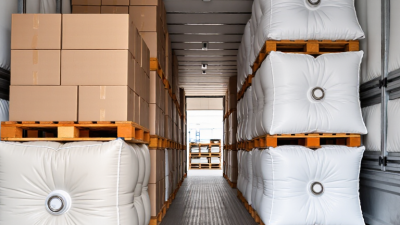
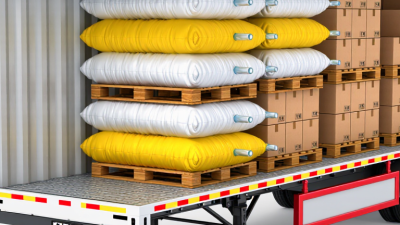
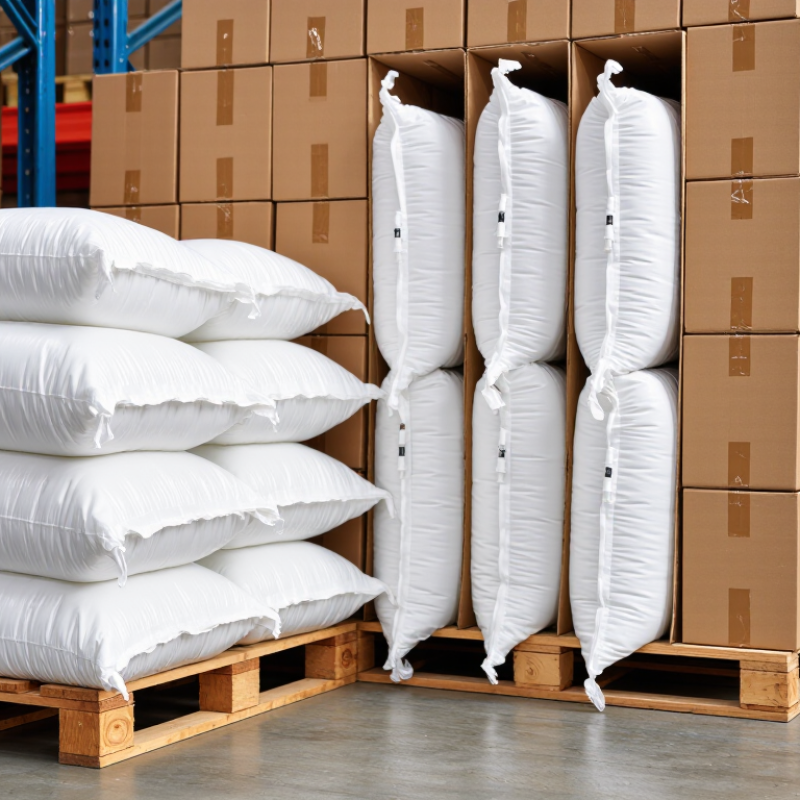
PP woven dunnage bags are inflatable cargo braces made with a woven polypropylene outer layer and an inner air-retaining liner. They fit into empty spaces between pallets, cartons, or other secured loads. Once inflated to the recommended pressure, the bag presses against nearby cargo and helps limit movement during road, rail, or sea transport. That matters.

During a journey, braking, cornering, and vibration can shift freight. A correctly sized bag fills a gap and distributes pressure across a broad contact area, reducing the chance of impacts between loads. The woven shell provides strength, while the liner holds the air that creates support. Construction and performance vary, so buyers should check bag specifications, pressure guidance, and suitability for the cargo and transport conditions.

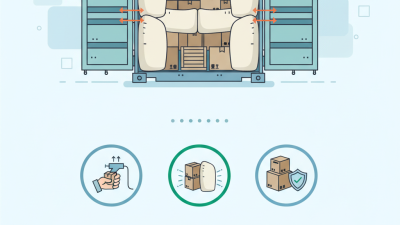
Placement is practical but not automatic. The bag should sit squarely in the void, away from sharp edges, and should not be inflated beyond its stated limit. It also works alongside appropriate load restraint, not instead of it. Not always. A bag can lose effectiveness if the gap is too large, the contact surface is uneven, or the cargo itself cannot withstand pressure. Inspecting the bag and load arrangement before dispatch is a small step, though it is easy to overlook when packing is rushed.
Where Global Buyers Find Leading PP Woven Dunnage Bag Suppliers

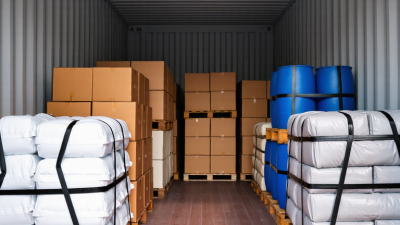
Global buyers find leading PP woven dunnage bag suppliers through packaging directories, freight-industry trade fairs, and referrals from logistics teams. Online marketplaces can widen the search, but a listing alone proves little. Search results are only a starting point. Compare suppliers by product specifications, export experience, and the clarity of their answers.

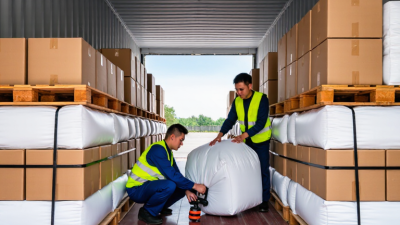
Ask for details that match the cargo and route: bag dimensions, fabric construction, valve type, and recommended inflation pressure. A supplier should explain how its bags are tested and provide relevant quality records. Request a sample when possible. Check the seams, valve fit, and handling instructions, then consider a trial in a representative load. Small details matter. A bag suited to palletized cartons may not fit irregular cargo or a tightly packed container.

Reliable sourcing also depends on communication and traceability. Ask how production batches are identified, how defects are handled, and what lead times apply during peak periods. If answers stay vague, keep comparing. A polished catalog can still hide gaps in technical support; even careful checks cannot predict every shipping condition. Buyers should document agreed specifications and review performance after delivery, rather than relying only on promises made during a sales call.

How to Compare Supplier Quality, Certifications, and Product Options

When comparing PP woven dunnage bag suppliers, look beyond quoted prices. Ask for recent test reports covering fabric strength, seam performance, and valve integrity. Check that certificates are current and apply to the specific product, not just the factory. A polished certificate can still leave gaps. Confirm who issued it and whether its scope matches your intended use.

Request samples in the sizes and pressure ratings you plan to order. Examine the weave, stitching, inflation valve, and printed handling instructions. Then ask how the supplier controls batch consistency and handles defects. Product options may include different dimensions, liners, and inflation systems. Match these choices to pallet spacing, cargo weight, and container conditions; a bag that fits one load may not suit another. Ask for evidence. Small details matter.

Tips: Compare the same specifications across suppliers, and request written answers on lead times, sampling, and inspection records. If possible, trial a small shipment before scaling up. Keep notes on fit and inflation time. Supplier documents help, but they cannot replace checking the bags in your own loading conditions. Even a careful comparison can miss something, so leave room to reassess after the first order.

Top PP Woven Dunnage Bag Suppliers for Global Buyers - How to Compare Supplier Quality, Certifications, and Product Options

Comparison dimension What to compare Evidence to request Buyer checks
Bag construction Woven polypropylene (PP) outer fabric, inner liner or coating, seams, and inflation-valve design. Configurations vary by product and intended load. Product specification sheet, material description, construction drawings, and sample bag. Confirm the proposed construction suits the cargo, handling conditions, and available space between loads.
Size and fit Available bag dimensions and whether custom dimensions are offered. The appropriate size depends on the gap and load arrangement. Dimensioned drawings, tolerances, and a written confirmation of the recommended size for the supplied loading details. Measure the actual void and check that the bag can be positioned and inflated without obstructing doors or damaging cargo.
Load and pressure performance Rated application, recommended inflation pressure, and performance under the intended transport conditions. Do not compare pressure figures without their test method and application context. Current technical data, test reports, inflation instructions, and stated limitations of use. Check that the rating applies to the exact bag model and loading scenario; use a pressure regulator and follow the supplier’s instructions.
Quality control Controls for fabric, seams, valves, dimensions, leakage, and finished-product inspection. Inspection plan, sample inspection records, defect-handling process, and batch traceability details. Ask how defects are recorded, how affected lots are identified, and how corrective actions are verified.
Management-system certification Whether the manufacturing site holds a current ISO 9001 certificate. ISO 9001 concerns quality management systems; it is not, by itself, a product performance certification. Certificate showing the legal entity, covered site, scope, issuing certification body, and validity dates. Verify the certificate with the issuer or an appropriate accreditation directory, and confirm that the relevant production site is covered.
Transport-specific approvals Any approval or listing required by the buyer, carrier, route, or applicable loading rules. Requirements can vary by transport mode and use case. Current approval documentation or listing that identifies the product and its permitted application. Check requirements with the relevant carrier or authority; do not assume an approval for one product or application covers another.
Testing and validation Testing appropriate to the packaging system and transport risks. ASTM D642 addresses compression testing of shipping containers; ASTM D5276 addresses free-fall drop testing; ASTM D4728 addresses random vibration testing. Test report identifying the method, sample configuration, test conditions, results, and date. These are test methods, not universal dunnage-bag certifications. Confirm that the tested setup represents the intended cargo and transport configuration.
Product options Single-use or reusable designs, different sizes and valve styles, and optional liners or surface treatments, where offered. Option list, model-specific specifications, and written confirmation of which features are included in the quotation. Compare like-for-like models and confirm whether each option changes dimensions, handling, storage, or disposal requirements.
Documentation and traceability Consistency between the ordered specification, delivered product, labels, and production records. Purchase specification, packing details, batch identification, and any agreed inspection or test documents. Agree in writing on document requirements and change-control procedures before placing an order.
Supply and logistics Quoted lead time, minimum order quantity, production capacity, packaging format, and shipping terms. Written quotation with delivery assumptions, shipment schedule, and packing details. Compare the total delivered cost and timeline, not just the unit price; confirm how delays or specification changes are handled.
After-sales support Availability of application guidance, inflation instructions, complaint handling, and replacement or corrective-action processes. Written installation guidance, warranty terms if offered, and a documented contact and complaint process. Confirm response expectations and keep records of the approved product specification and any field issues.

Note: Supplier capabilities, certificates, approvals, and product specifications should be verified directly for the quoted product and manufacturing site. Requirements depend on the cargo, route, carrier, and loading arrangement.

What to Consider When Choosing a Supplier for Your Market

Choosing a PP woven dunnage bag supplier means matching the product to real shipping conditions, not just comparing unit prices. Ask for bag dimensions, construction details, valve options, and recommended inflation pressure. These should suit the void size, load weight, and handling method in your containers or trailers. A bag that fits neatly on paper may press against a sharp pallet edge.

Request current test data for strength, seam performance, and air retention. Ask how samples are evaluated. Useful evidence includes the test method, sample size, and date. Check whether specifications can stay consistent across repeat orders. Small inconsistencies matter. A valve that is difficult to reach can slow loading, while a poorly sized bag may shift in transit. Trial the bags with your pallets and loading crew before placing a large order. A trial helps.

Market requirements vary. Confirm packaging, labeling, language, and documentation needs with your destination market and freight partners. One export setup may not suit every route. Check lead times, production capacity, minimum order quantities, and how shortages are communicated. Ask what happens if a batch fails inspection. Clear answers beat broad promises. Price matters, but a very low quote may exclude testing, support, or reliable replenishment. Sometimes the cheapest choice works. Sometimes it only looks cheap.

How to Source PP Woven Dunnage Bags for International Shipments

Top PP Woven Dunnage Bag Suppliers for Global Buyers

How to Source PP Woven Dunnage Bags for International Shipments

UNCTAD’s Review of Maritime Transport 2024 reports that more than 80% of global trade in goods by volume moves by sea. That scale makes cargo protection a practical sourcing concern. For PP woven dunnage bags, start with the gap between cargo units, shipment weight, and the expected transit route. Share container or truck dimensions, loading photos, and stacking details with potential suppliers. A bag that fits a sample load may not suit a tightly packed export shipment.

Request the bag’s recommended inflation pressure, pressure-retention results, material specifications, and valve details. Ask how the supplier checks seams and tests finished bags. Confirm that the proposed size and strength match your loading method, rather than relying on a generic capacity claim. Samples help. Inflate one and inspect the valve, seams, and woven surface; then check whether it stays firm over time. Paperwork can look tidy while a valve still leaks.

Compare quotations on equal specifications, including packaging, lead time, and replacement procedures for damaged goods. Verify production capacity and request recent inspection records before placing a large order. We sometimes overfocus on price. A lower unit cost may matter less than inconsistent sizing or slow delivery when a vessel’s loading window is close. No checklist is perfect, so keep the first order manageable and record what fails during handling.